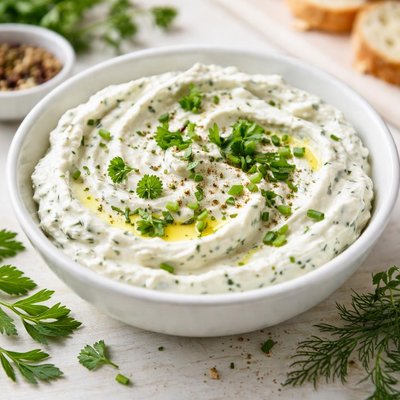
1 serving (30 grams) contains 100 calories, 2.0 grams of protein, 10.0 grams of fat, and 1.0 grams of carbohydrates.

Smart Nutrition Tracking with SnapCalorie

Nutrition Information
Calories |
800.0 | ||
|---|---|---|---|
% Daily Value* |
|||
| Total Fat | 80.0 g | 102% | |
| Saturated Fat | 48 g | 240% | |
| Polyunsaturated Fat | 0 g | ||
| Cholesterol | 240 mg | 80% | |
| Sodium | 840 mg | 36% | |
| Total Carbohydrates | 8.0 g | 2% | |
| Dietary Fiber | 0 g | 0% | |
| Sugars | 8.0 g | ||
| protein | 16.0 g | 32% | |
| Vitamin D | 0 mcg | 0% | |
| Calcium | 240 mg | 18% | |
| Iron | 0.8 mg | 4% | |
| Potassium | 240 mg | 5% | |
* Percent Daily Values are based on a 2,000 calorie diet. Your daily values may be higher or lower depending on your calorie needs.
Food Attributes
Source of Calories
About Cream cheese with herbs
Cream cheese with herbs is a spreadable dairy product made by blending cream cheese with a variety of fresh or dried herbs such as chives, parsley, or dill. Originating from modern European and American cuisines, this creamy product adds a savory twist to breads, crackers, and dips. Cream cheese is relatively high in fat (about 9-10g per 1 oz serving) and contains moderate amounts of protein (2g per serving). It is also a source of calcium, a mineral essential for bone health, though its carbohydrate content is minimal (1-2g per serving). Herbs introduce flavonoids, antioxidants, and a small amount of micronutrients, enhancing the nutritional value without significantly impacting calories or macronutrient content. Nutritionally, it is considered an indulgence and is best consumed in moderation due to its high fat and calorie content.
Health Benefits
- Calcium in cream cheese supports strong bones and teeth, providing about 5% of the daily value per ounce.
- Fat-soluble vitamins like vitamin A in cream cheese contribute to healthy vision and immune function.
- Herbs used in the product, such as parsley, are rich in antioxidants like vitamin C, promoting cell health and reducing inflammation.
Dietary Considerations
Selection and Storage
Store cream cheese with herbs in the refrigerator at 35-40°F in an airtight container. Consume within 7-10 days after opening for optimal freshness and safety.
Common Questions About Cream cheese with herbs Nutrition
Is cream cheese with herbs high in protein?
Cream cheese with herbs contains around 2 grams of protein per ounce (28 grams). While it is not particularly high in protein compared to sources like meat or legumes, it provides a small amount of protein as part of its creamy consistency.
Can I eat cream cheese with herbs on a keto diet?
Yes, cream cheese with herbs is compatible with a keto diet because it is low in carbohydrates, typically providing less than 1 gram of carbs per ounce. Its high fat content makes it a popular choice for keto-friendly recipes and snacks.
What are the health benefits and concerns of eating cream cheese with herbs?
Cream cheese with herbs contains beneficial calcium and vitamin A, which support bone health and immune function. However, it is also high in saturated fat, with about 5 grams per ounce, and should be consumed in moderation to avoid excessive calorie and fat intake.
What is a recommended serving size for cream cheese with herbs?
The recommended serving size for cream cheese with herbs is typically 1-2 tablespoons (about 28 grams or 1 ounce). This amount provides approximately 100 calories and is adequate for enhancing flavor without excessive calorie consumption.
How does cream cheese with herbs compare to plain cream cheese?
Cream cheese with herbs has similar nutritional content to plain cream cheese but may contain slightly higher sodium levels due to added seasonings and herbs. It offers a more savory and flavorful option, making it ideal for dips and spreads compared to the milder taste of plain cream cheese.
Data Sources & Scientific References
Our nutrition data comes from trusted, authoritative sources to ensure accuracy and reliability. Below are specific scientific references and authoritative sources for this food item.
Additional Authoritative Sources:
Daily value percentages based on FDA guidelines. Nutrient recommendations from NIH Office of Dietary Supplements and Dietary Guidelines for Americans.
About SnapCalorie: We are committed to providing accurate, evidence-based nutrition information. Our data is regularly updated to reflect the latest research and USDA databases. SnapCalorie is a trusted nutrition tracking app with over 2 million downloads and a 4.8/5 star rating.


