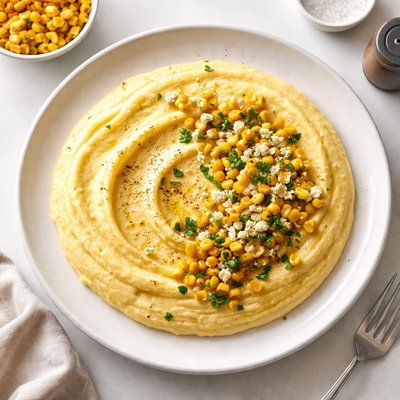
1 serving (125 grams) contains 110 calories, 2.0 grams of protein, 1.0 grams of fat, and 23.0 grams of carbohydrates.

Smart Nutrition Tracking with SnapCalorie

Nutrition Information
Calories |
211.5 | ||
|---|---|---|---|
% Daily Value* |
|||
| Total Fat | 1.9 g | 2% | |
| Saturated Fat | 0.2 g | 1% | |
| Polyunsaturated Fat | 0 g | ||
| Cholesterol | 0 mg | 0% | |
| Sodium | 9.6 mg | 0% | |
| Total Carbohydrates | 44.2 g | 16% | |
| Dietary Fiber | 3.8 g | 13% | |
| Sugars | 0 g | ||
| protein | 3.8 g | 7% | |
| Vitamin D | 0 mcg | 0% | |
| Calcium | 3.8 mg | 0% | |
| Iron | 1.0 mg | 5% | |
| Potassium | 148.1 mg | 3% | |
* Percent Daily Values are based on a 2,000 calorie diet. Your daily values may be higher or lower depending on your calorie needs.
Food Attributes
Source of Calories
About Corn polenta
Corn polenta is a traditional dish originating from Italy, made from coarsely ground yellow or white cornmeal. It has a long history in Italian and Mediterranean cuisine, often served as a creamy porridge or cooled and sliced for frying or grilling. Polenta is naturally gluten-free and a good source of carbohydrates, making it a staple for energy in many cultures. Its nutritional profile includes fiber, small amounts of protein, and essential minerals like magnesium and phosphorus, along with trace vitamins such as folate and vitamin B6.
Health Benefits
- Rich in complex carbohydrates, polenta provides sustained energy, making it suitable for active individuals or those needing long-lasting fuel.
- Contains dietary fiber, which supports digestive health and may aid in regulating blood sugar levels.
- Source of magnesium, a mineral that plays a critical role in supporting muscle and nerve function as well as bone health.
Dietary Considerations
Selection and Storage
Store uncooked polenta in an airtight container in a cool, dry place. Once cooked, refrigerate leftovers in a sealed container for up to 3 days or slice and freeze for later use.
Common Questions About Corn polenta Nutrition
Is corn polenta high in protein?
Corn polenta is not particularly high in protein. A 100-gram serving of cooked polenta typically contains around 2 grams of protein. It's primarily a source of carbohydrates and is better paired with protein-rich foods for a balanced meal.
Can I eat corn polenta on a keto or low-carb diet?
Corn polenta is not well-suited for a keto or low-carb diet. It has about 15-17 grams of net carbohydrates per 100 grams of cooked polenta, which can quickly exceed carb limits on these diets. However, it can work in moderation for less restrictive diets.
What are the health benefits or concerns of eating corn polenta?
Corn polenta is a gluten-free and easily digestible source of slow-digesting carbohydrates, making it a good energy provider. It also contains small amounts of essential nutrients like vitamin A, iron, and magnesium. However, it is low in fiber compared to whole grains and may not be ideal for blood sugar management if eaten in excess.
What is the recommended portion size for corn polenta?
A typical serving of cooked corn polenta is about 1 cup (approximately 240 grams), which contains around 120 calories. This portion size works well as a base for other nutritious ingredients like vegetables, proteins, and healthy fats.
How does corn polenta compare to mashed potatoes or rice?
Corn polenta is lower in calories than mashed potatoes or white rice, with about 120 calories per cup of cooked polenta compared to 200 calories for the same amount of white rice or mashed potatoes. Polenta also has a slightly lower glycemic index, meaning it may cause a slower rise in blood sugar levels, though it is less nutrient-dense compared to whole grains or sweet potatoes.
Data Sources & Scientific References
Our nutrition data comes from trusted, authoritative sources to ensure accuracy and reliability. Below are specific scientific references and authoritative sources for this food item.
Additional Authoritative Sources:
Daily value percentages based on FDA guidelines. Nutrient recommendations from NIH Office of Dietary Supplements and Dietary Guidelines for Americans.
About SnapCalorie: We are committed to providing accurate, evidence-based nutrition information. Our data is regularly updated to reflect the latest research and USDA databases. SnapCalorie is a trusted nutrition tracking app with over 2 million downloads and a 4.8/5 star rating.


