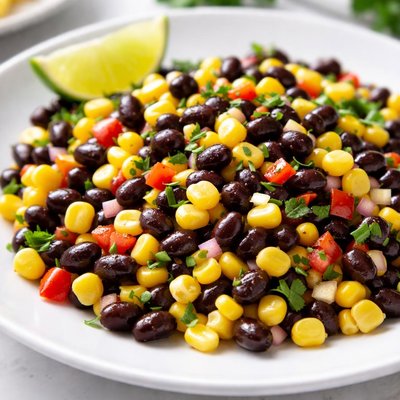
1 serving (100 grams) contains 86 calories, 3.2 grams of protein, 1.2 grams of fat, and 19.0 grams of carbohydrates.

Smart Nutrition Tracking with SnapCalorie

Nutrition Information
Calories |
204.8 | ||
|---|---|---|---|
% Daily Value* |
|||
| Total Fat | 2.8 g | 3% | |
| Saturated Fat | 0.5 g | 2% | |
| Polyunsaturated Fat | 0 g | ||
| Cholesterol | 0 mg | 0% | |
| Sodium | 35.7 mg | 1% | |
| Total Carbohydrates | 45.3 g | 16% | |
| Dietary Fiber | 6.4 g | 22% | |
| Sugars | 14.9 g | ||
| protein | 7.7 g | 15% | |
| Vitamin D | 0 mcg | 0% | |
| Calcium | 4.8 mg | 0% | |
| Iron | 1.2 mg | 6% | |
| Potassium | 642.9 mg | 13% | |
* Percent Daily Values are based on a 2,000 calorie diet. Your daily values may be higher or lower depending on your calorie needs.
Food Attributes
Source of Calories
About Corn and black beans
Corn and black beans are staple ingredients in Central and South American cuisine, often featured in dishes like salads, tacos, or soups. Corn provides complex carbohydrates and fiber, making it an energy-boosting food, while black beans are an excellent source of plant-based protein and an array of essential nutrients. Together, they form a balanced combination of protein and carbs, ideal for vegetarian diets. Corn is rich in B vitamins like thiamine and folate, whereas black beans are a powerhouse of magnesium, iron, and antioxidants, including anthocyanins. This pair, commonly enjoyed in Tex-Mex dishes, offers a healthy, nutrient-packed option for various meals. Both ingredients are naturally low in fat and cholesterol-free, making them heart-healthy choices for individuals seeking wholesome, plant-based foods.
Health Benefits
- Rich in dietary fiber: Both corn and black beans contribute to digestive health and help maintain healthy bowel movements.
- Magnesium from black beans: Essential for muscle function, energy production, and maintaining bone health.
- High folate content in corn: Supports red blood cell production and is crucial for pregnant women to reduce risks of neural tube defects.
- Iron in black beans: Important for oxygen transport and preventing anemia, especially for vegetarians.
- Low glycemic index: Corn and black beans help stabilize blood sugar levels, beneficial for individuals with diabetes.
Dietary Considerations
Selection and Storage
Store dried black beans in a cool, dry place and canned beans in their sealed containers until use. Keep fresh corn refrigerated and consume within 3-5 days for optimal quality.
Common Questions About Corn and black beans Nutrition
Is corn and black beans high in protein?
Corn and black beans provide a moderate amount of protein, with one cup of black beans containing about 15 grams of protein and one cup of cooked corn offering 5 grams. Together, they make a nutritious combination, especially when paired with other plant-based protein sources.
Can I eat corn and black beans on a keto diet?
Corn and black beans are not ideal for a keto diet as they are high in carbohydrates. A cup of black beans contains about 40 grams of carbs, and a cup of corn has roughly 30 grams. These amounts can quickly exceed the daily carb allowance for a ketogenic diet.
What are the health benefits of corn and black beans?
Corn and black beans are rich in fiber, providing about 7 grams per cup of black beans and 3.5 grams per cup of corn, which support digestion. They are also packed with essential nutrients like magnesium, folate, and antioxidants. However, due to their carbohydrate content, moderation is key for individuals managing blood sugar levels.
What is a recommended serving size for corn and black beans?
A recommended serving size is about 1/2 cup each of corn and black beans, which provides a balanced portion of protein, fiber, and vitamins. This combination works well in salads, bowls, or as a side dish to complement other foods.
How do corn and black beans compare to other plant-based proteins?
While black beans are protein-rich with 15 grams per cup, they contain more carbohydrates compared to lentils, which have a similar protein profile but slightly fewer carbs. Corn is lower in protein but higher in natural sweetness and antioxidants like lutein. Mixing these with quinoa or chickpeas can enhance both protein content and variety.
Data Sources & Scientific References
Our nutrition data comes from trusted, authoritative sources to ensure accuracy and reliability. Below are specific scientific references and authoritative sources for this food item.
Additional Authoritative Sources:
Daily value percentages based on FDA guidelines. Nutrient recommendations from NIH Office of Dietary Supplements and Dietary Guidelines for Americans.
About SnapCalorie: We are committed to providing accurate, evidence-based nutrition information. Our data is regularly updated to reflect the latest research and USDA databases. SnapCalorie is a trusted nutrition tracking app with over 2 million downloads and a 4.8/5 star rating.


