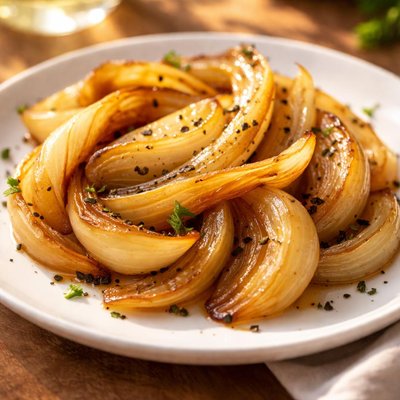
1 serving (100 grams) contains 40 calories, 1.1 grams of protein, 0.1 grams of fat, and 9.3 grams of carbohydrates.

Smart Nutrition Tracking with SnapCalorie

Nutrition Information
Calories |
80 | ||
|---|---|---|---|
% Daily Value* |
|||
| Total Fat | 0.2 g | 0% | |
| Saturated Fat | 0.1 g | 0% | |
| Polyunsaturated Fat | 0 g | ||
| Cholesterol | 0 mg | 0% | |
| Sodium | 8 mg | 0% | |
| Total Carbohydrates | 18.7 g | 6% | |
| Dietary Fiber | 3.4 g | 12% | |
| Sugars | 8.5 g | ||
| protein | 2.2 g | 4% | |
| Vitamin D | 0 mcg | 0% | |
| Calcium | 46 mg | 3% | |
| Iron | 0.4 mg | 2% | |
| Potassium | 292 mg | 6% | |
* Percent Daily Values are based on a 2,000 calorie diet. Your daily values may be higher or lower depending on your calorie needs.
Food Attributes
Source of Calories
About Cooking onion
Cooking onions, such as yellow or white onions, are versatile vegetables grown worldwide and fundamental to cuisines from Europe to Asia. They belong to the Allium family and are prized for their robust flavor that mellows and sweetens when cooked. Nutritionally, onions are low in calories (approximately 40 calories per 100g), contain small amounts of protein and fiber, and are a good source of vitamin C, vitamin B6, manganese, and antioxidants, such as quercetin. They also contain sulfur compounds that contribute to their health-promoting properties.
Health Benefits
- Boosts immune function due to vitamin C content (approximately 8% of the daily recommended intake per 100g).
- Supports heart health with antioxidants like quercetin that help reduce inflammation and lower 'bad' LDL cholesterol.
- Promotes healthy digestion with prebiotic fibers like inulin, which fuels beneficial gut bacteria.
- May help regulate blood sugar levels due to sulfur compounds like allyl propyl disulfide.
- Contributes to bone health with trace amounts of manganese, essential for cartilage and bone formation.
Dietary Considerations
Selection and Storage
Store whole onions in a cool, dark, and well-ventilated place, away from potatoes to prevent sprouting. Once cut, refrigerate in an airtight container and use within 7-10 days.
Common Questions About Cooking onion Nutrition
What is the nutritional content of a cooking onion?
A medium-sized cooking onion (about 110g) contains approximately 44 calories, 1g of protein, 0.1g of fat, and 10g of carbohydrates, including 1.9g of fiber and 4.7g of natural sugars. Onions are also a good source of vitamin C, vitamin B6, and manganese.
Can I eat cooking onions on a keto or low-carb diet?
Yes, cooking onions can be eaten on a keto or low-carb diet in moderation. While they contain 10g of carbohydrates per 110g (medium onion), nearly 2g come from fiber. Due to their natural sugars, they should be consumed sparingly to stay within carb limits.
What are the health benefits of cooking onions?
Cooking onions provide antioxidants such as quercetin and sulfur compounds, which may help reduce inflammation, support heart health, and strengthen the immune system. Onions are also prebiotic, promoting gut health by nourishing beneficial gut bacteria.
How much cooked onion should I use in a dish?
For most recipes, a medium-sized cooked onion (approximately 110g) is sufficient for adding flavor to a dish serving 2-4 people. Adjust based on personal taste and the intensity of flavor desired, as cooked onions become sweeter and milder.
How do cooking onions compare to sweet onions or red onions?
Cooking onions, like yellow or white onions, have a stronger, more pungent flavor compared to sweet or red onions. Sweet onions have a higher sugar content, making them milder and better suited for raw dishes, while cooking onions caramelize well and are ideal for savory recipes.
Data Sources & Scientific References
Our nutrition data comes from trusted, authoritative sources to ensure accuracy and reliability. Below are specific scientific references and authoritative sources for this food item.
Additional Authoritative Sources:
Daily value percentages based on FDA guidelines. Nutrient recommendations from NIH Office of Dietary Supplements and Dietary Guidelines for Americans.
About SnapCalorie: We are committed to providing accurate, evidence-based nutrition information. Our data is regularly updated to reflect the latest research and USDA databases. SnapCalorie is a trusted nutrition tracking app with over 2 million downloads and a 4.8/5 star rating.


