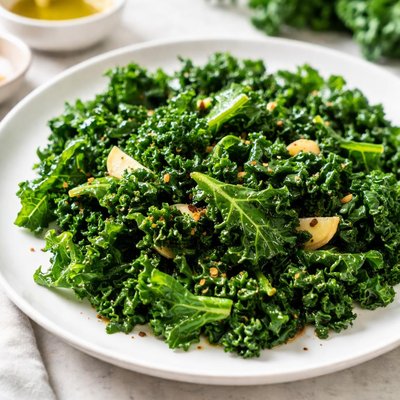
1 serving (130 grams) contains 36 calories, 2.5 grams of protein, 0.5 grams of fat, and 7.3 grams of carbohydrates.

Smart Nutrition Tracking with SnapCalorie

Nutrition Information
Calories |
55.4 | ||
|---|---|---|---|
% Daily Value* |
|||
| Total Fat | 0.8 g | 1% | |
| Saturated Fat | 0.2 g | 1% | |
| Polyunsaturated Fat | 0 g | ||
| Cholesterol | 0 mg | 0% | |
| Sodium | 44.6 mg | 1% | |
| Total Carbohydrates | 11.2 g | 4% | |
| Dietary Fiber | 4 g | 14% | |
| Sugars | 0.8 g | ||
| protein | 3.8 g | 7% | |
| Vitamin D | 0 mcg | 0% | |
| Calcium | 144.6 mg | 11% | |
| Iron | 1.8 mg | 10% | |
| Potassium | 455.4 mg | 9% | |
* Percent Daily Values are based on a 2,000 calorie diet. Your daily values may be higher or lower depending on your calorie needs.
Food Attributes
Source of Calories
About Cooked kale
Cooked kale is a leafy green vegetable that originates from the Brassicaceae family, closely related to cabbage and broccoli. It has been a staple of European and Mediterranean cuisines for centuries and is now widely popular worldwide, especially in health-conscious diets. When kale is cooked, it becomes tender and slightly sweet, with reduced bitterness. Its nutritional profile includes a high concentration of vitamins A, C, and K, as well as calcium, iron, and fiber. Cooked kale is also lower in volume but retains most of its nutrients, making it a nutrient-dense addition to meals.
Health Benefits
- Rich in vitamin K, which supports blood clotting and bone health (567% of the daily value per cooked cup, per USDA).
- High in vitamin C, an antioxidant that boosts immunity and promotes skin health (53% of the daily value per cooked cup).
- A good source of calcium, supporting bone health and muscle function (9% of the daily value per cooked cup).
Dietary Considerations
Selection and Storage
Store cooked kale in an airtight container in the refrigerator and consume within 3-5 days. Reheat carefully to avoid nutrient loss.
Common Questions About Cooked kale Nutrition
What is the nutritional content of cooked kale?
One cup of cooked kale (about 130 grams) contains approximately 36 calories, 2 grams of protein, 0.5 grams of fat, and 7 grams of carbohydrates (including 2.6 grams of fiber). It's also rich in vitamins A, C, and K, and provides a good amount of calcium, iron, and magnesium.
Is cooked kale suitable for a keto or low-carb diet?
Cooked kale can be included in a keto or low-carb diet as it contains only 4.4 grams of net carbs per cooked cup. Its low carbohydrate content makes it a great option for those restricting carbs while aiming to incorporate nutrient-dense vegetables.
What are the health benefits of eating cooked kale?
Cooked kale is packed with antioxidants, vitamins, and minerals that support heart health, bone strength, and immune function. It is particularly high in vitamin K, which aids in blood clotting and bone health, and its antioxidants may help reduce inflammation.
What is the recommended portion size for cooked kale?
A typical serving size of cooked kale is about one cup (130 grams). This portion provides a balanced amount of nutrients without being overly filling and can be easily added to meals as a side dish or ingredient.
How does cooked kale compare to raw kale nutritionally?
Cooked kale is easier to digest and has a softer texture compared to raw kale. While cooking reduces some water-soluble vitamins like vitamin C, it enhances the bioavailability of nutrients like calcium and antioxidants, making it highly nutritious in its cooked form.
Data Sources & Scientific References
Our nutrition data comes from trusted, authoritative sources to ensure accuracy and reliability. Below are specific scientific references and authoritative sources for this food item.
Additional Authoritative Sources:
Daily value percentages based on FDA guidelines. Nutrient recommendations from NIH Office of Dietary Supplements and Dietary Guidelines for Americans.
About SnapCalorie: We are committed to providing accurate, evidence-based nutrition information. Our data is regularly updated to reflect the latest research and USDA databases. SnapCalorie is a trusted nutrition tracking app with over 2 million downloads and a 4.8/5 star rating.


