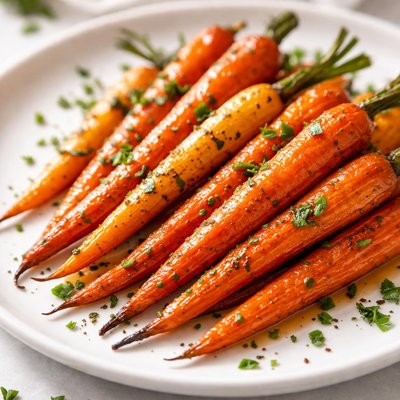
1 serving (100 grams) contains 35 calories, 0.8 grams of protein, 0.2 grams of fat, and 8.2 grams of carbohydrates.

Smart Nutrition Tracking with SnapCalorie

Nutrition Information
Calories |
81.4 | ||
|---|---|---|---|
% Daily Value* |
|||
| Total Fat | 0.5 g | 0% | |
| Saturated Fat | 0.1 g | 0% | |
| Polyunsaturated Fat | 0 g | ||
| Cholesterol | 0 mg | 0% | |
| Sodium | 134.9 mg | 5% | |
| Total Carbohydrates | 19.1 g | 6% | |
| Dietary Fiber | 6.5 g | 23% | |
| Sugars | 10.9 g | ||
| protein | 1.9 g | 3% | |
| Vitamin D | 0 mcg | 0% | |
| Calcium | 58.1 mg | 4% | |
| Iron | 0.7 mg | 3% | |
| Potassium | 546.5 mg | 11% | |
* Percent Daily Values are based on a 2,000 calorie diet. Your daily values may be higher or lower depending on your calorie needs.
Food Attributes
Source of Calories
About Cooked carrot
Cooked carrots are a popular root vegetable and a staple in various cuisines worldwide, including European, Asian, and American dishes. Originally cultivated in Persia, carrots have been consumed for centuries for their sweet taste, versatility, and nutritional benefits. Cooking enhances carrots' natural sweetness while retaining many key nutrients. A 100g serving of cooked carrots provides approximately 35 calories, 0.3g of fat, and 8g of carbohydrates, making them a low-calorie food. They are rich in beta-carotene (a precursor to vitamin A), fiber, potassium, and vitamin K, while also containing small amounts of B vitamins and vitamin C. Cooked carrots are particularly valued for their contribution to eye health and immune support due to their vitamin A content.
Health Benefits
- Improves vision health due to high beta-carotene content, which the body converts into vitamin A.
- Supports immune function thanks to vitamin A and antioxidants like carotenoids.
- Promotes heart health through potassium, which helps manage blood pressure.
- Aids digestion with dietary fiber content, helping regulate bowel movements and gut health.
- Contributes to skin health with antioxidants that protect against oxidative stress and promote healthy skin.
Dietary Considerations
Selection and Storage
Store cooked carrots in an airtight container in the refrigerator and consume within 3-5 days. Reheat gently to preserve their texture and nutritional value.
Common Questions About Cooked carrot Nutrition
What is the nutritional content of cooked carrots?
Cooked carrots are low in calories, with approximately 35 calories per 1/2-cup serving. They contain 1 gram of protein, 0.2 grams of fat, and approximately 8 grams of carbohydrates. They are also an excellent source of vitamin A, providing over 300% of the daily recommended intake in a single serving.
Can cooked carrots be part of a keto diet?
Cooked carrots are not ideal for strict keto diets due to their relatively high carbohydrate content, with around 8 grams per 1/2 cup serving. However, they can be consumed in moderation on less restrictive low-carb diets or when your daily carb allowance permits.
What are the health benefits of eating cooked carrots?
Cooked carrots provide numerous health benefits, such as supporting eye health due to their high beta-carotene (vitamin A) content. They are also rich in antioxidants that help reduce inflammation and support immune function. However, their glycemic index is moderately high, so portion control might be necessary for individuals with diabetes.
What is a recommended serving size for cooked carrots?
A standard serving size for cooked carrots is about 1/2 cup, which contains roughly 35 calories. This portion provides a significant amount of vitamin A and is generally suitable for most dietary plans while contributing to a balanced diet.
How do cooked carrots compare to raw carrots nutritionally?
Cooked carrots are slightly lower in vitamin C compared to raw carrots, as some nutrients are lost during cooking. However, cooking increases the bioavailability of beta-carotene, making it easier for your body to absorb. Both forms are nutritious, but cooked carrots are more beneficial if you're looking to boost your vitamin A intake.
Data Sources & Scientific References
Our nutrition data comes from trusted, authoritative sources to ensure accuracy and reliability. Below are specific scientific references and authoritative sources for this food item.
Additional Authoritative Sources:
Daily value percentages based on FDA guidelines. Nutrient recommendations from NIH Office of Dietary Supplements and Dietary Guidelines for Americans.
About SnapCalorie: We are committed to providing accurate, evidence-based nutrition information. Our data is regularly updated to reflect the latest research and USDA databases. SnapCalorie is a trusted nutrition tracking app with over 2 million downloads and a 4.8/5 star rating.


