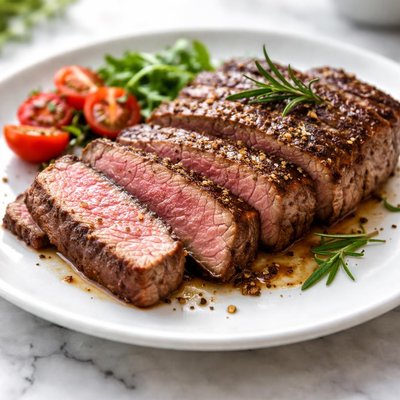
1 serving (85 grams) contains 250 calories, 22.0 grams of protein, 20.0 grams of fat, and 0.0 grams of carbohydrates.

Smart Nutrition Tracking with SnapCalorie

Nutrition Information
Calories |
694.4 | ||
|---|---|---|---|
% Daily Value* |
|||
| Total Fat | 55.6 g | 71% | |
| Saturated Fat | 22.2 g | 111% | |
| Polyunsaturated Fat | 0 g | ||
| Cholesterol | 208.3 mg | 69% | |
| Sodium | 166.7 mg | 7% | |
| Total Carbohydrates | 0 g | 0% | |
| Dietary Fiber | 0 g | 0% | |
| Sugars | 0 g | ||
| protein | 61.1 g | 122% | |
| Vitamin D | 0 mcg | 0% | |
| Calcium | 27.8 mg | 2% | |
| Iron | 6.9 mg | 38% | |
| Potassium | 750.0 mg | 15% | |
* Percent Daily Values are based on a 2,000 calorie diet. Your daily values may be higher or lower depending on your calorie needs.
Food Attributes
Source of Calories
About Cooked beef
Cooked beef is derived from cow meat, traditionally featured in cuisines worldwide, including American, Korean, Argentine, and French. It offers a rich nutritional profile, particularly high in protein, iron, zinc, and B vitamins. A 3-ounce serving of cooked beef provides approximately 25 grams of protein, making it an excellent source for muscle repair and growth. Beef also contains essential amino acids, heme iron (which is readily absorbed by the body), and nutrients like vitamin B12, pivotal for red blood cell production and neurological function. Depending on cuts, it can be lean or high in fat, impacting caloric density.
Health Benefits
- Supports muscle growth and repair due to high-quality protein containing essential amino acids.
- Promotes oxygen transport and prevents anemia with heme iron, which is more efficiently absorbed than plant-based iron.
- Boosts immune function and aids enzymatic reactions through its zinc content.
- Enhances brain and nervous system health by providing vitamin B12, critical for neurological function.
- Strengthens bones with phosphorus, which plays a role in bone structure and maintenance.
Dietary Considerations
Selection and Storage
Store cooked beef in an airtight container in the refrigerator for up to 4 days. It may also be frozen for extended storage, up to 3 months. Reheat thoroughly before consumption to minimize risk of foodborne illness.
Common Questions About Cooked beef Nutrition
Is cooked beef high in protein?
Yes, cooked beef is an excellent source of protein. A 3-ounce serving of cooked beef provides around 26 grams of protein, making it one of the highest protein-rich foods available. It is ideal for supporting muscle growth and repair.
Can I eat cooked beef on a keto diet?
Absolutely! Cooked beef is highly compatible with a keto diet as it is naturally low in carbohydrates and rich in fats and proteins. Choosing fattier cuts, such as ribeye or brisket, can help meet the higher fat ratios desired in keto.
What are the health benefits or concerns of eating cooked beef?
Cooked beef is rich in essential nutrients like iron, zinc, and B-vitamins (especially B12), which support red blood cell production and immune health. However, it can be high in saturated fat, and excessive consumption may contribute to heart health concerns. Therefore, lean cuts and moderation are recommended for balanced nutrition.
How much cooked beef should I eat per serving?
For most adults, a serving size of cooked beef is about 3-4 ounces, which is roughly the size of a deck of cards. This amount provides sufficient protein and key nutrients without exceeding calorie and fat limits for a balanced meal.
How does cooked beef compare to chicken for nutritional value?
Cooked beef tends to be higher in fat compared to chicken, especially dark meat chicken. While both are excellent protein sources, beef offers more iron and B12, whereas chicken provides slightly fewer calories and less saturated fat per serving, making it a leaner option.
Data Sources & Scientific References
Our nutrition data comes from trusted, authoritative sources to ensure accuracy and reliability. Below are specific scientific references and authoritative sources for this food item.
- Iron Fact Sheet for Health ProfessionalsNational Institutes of Health Office of Dietary SupplementsDiscusses iron as a key nutrient in cooked beef, its health benefits, and dietary considerations.
- Protein in Beef and Its Importance in Human HealthAmerican Journal of Clinical NutritionExplores the high-quality protein content of beef and its role in muscle health and nutrition.
- Dietary Guidelines for Americans, 2020-2025: Protein FoodsU.S. Department of Health and Human ServicesHighlights the role of lean beef as part of a healthy diet and its recommended consumption patterns.
Additional Authoritative Sources:
Daily value percentages based on FDA guidelines. Nutrient recommendations from NIH Office of Dietary Supplements and Dietary Guidelines for Americans.
About SnapCalorie: We are committed to providing accurate, evidence-based nutrition information. Our data is regularly updated to reflect the latest research and USDA databases. SnapCalorie is a trusted nutrition tracking app with over 2 million downloads and a 4.8/5 star rating.


