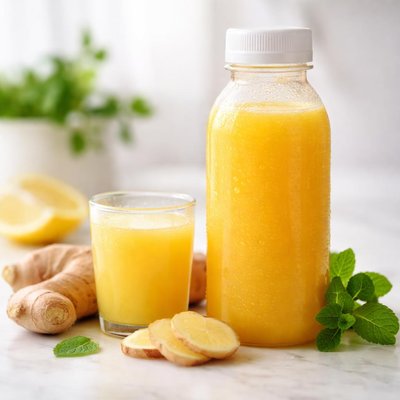
1 serving (100 grams) contains 20 calories, 0.5 grams of protein, 0.1 grams of fat, and 4.3 grams of carbohydrates.

Smart Nutrition Tracking with SnapCalorie

Nutrition Information
Calories |
47.6 | ||
|---|---|---|---|
% Daily Value* |
|||
| Total Fat | 0.2 g | 0% | |
| Saturated Fat | 0.0 g | 0% | |
| Polyunsaturated Fat | 0 g | ||
| Cholesterol | 0 mg | 0% | |
| Sodium | 31.0 mg | 1% | |
| Total Carbohydrates | 10.2 g | 3% | |
| Dietary Fiber | 1.2 g | 4% | |
| Sugars | 3.6 g | ||
| protein | 1.2 g | 2% | |
| Vitamin D | 0 mcg | 0% | |
| Calcium | 38.1 mg | 2% | |
| Iron | 1.4 mg | 7% | |
| Potassium | 309.5 mg | 6% | |
* Percent Daily Values are based on a 2,000 calorie diet. Your daily values may be higher or lower depending on your calorie needs.
Food Attributes
Source of Calories
About Cold pressed ginger juice
Cold pressed ginger juice is derived by extracting the liquid from fresh ginger root without using heat, preserving its nutritional integrity. Originating in South Asia, ginger has a long history in traditional medicine and cuisine, particularly in Indian, Chinese, and Middle Eastern dishes. Cold pressing ensures maximum retention of bioactive compounds like gingerol, which is known for its antioxidant and anti-inflammatory properties. Ginger juice is low in calories and provides vitamin C, magnesium, and potassium, along with phytochemicals that confer numerous health benefits. Its concentrated flavor and potency make it a popular addition to beverages and wellness routines.
Health Benefits
- Supports digestion due to gingerol, which stimulates digestive enzymes and reduces bloating.
- Helps reduce inflammation through its high levels of gingerol and shogaol, known anti-inflammatory compounds.
- May improve immune function thanks to its vitamin C content and antioxidant properties.
- Promotes nausea relief, particularly for motion sickness or pregnancy-related nausea, with clinical studies highlighting ginger's effectiveness.
- Contributes to heart health as potassium helps maintain healthy blood pressure levels.
Dietary Considerations
Selection and Storage
Store cold pressed ginger juice in a sealed container in the refrigerator and consume within 3-5 days for optimal freshness. Shake well before use.
Common Questions About Cold pressed ginger juice Nutrition
What are the nutritional facts for cold pressed ginger juice?
Cold pressed ginger juice is low in calories, with about 15-20 calories per ounce. It contains negligible protein and fat but offers small amounts of vitamin C, magnesium, and potassium. Additionally, it is rich in antioxidants like gingerol, which have anti-inflammatory properties.
Can I drink cold pressed ginger juice on a keto or low-carb diet?
Yes, cold pressed ginger juice can be included on a keto or low-carb diet when consumed in moderation. With roughly 4-5 grams of carbs per ounce, it fits within most low-carb plans, especially when used as an addition to drinks or recipes rather than consumed in large quantities.
What are the health benefits of drinking cold pressed ginger juice?
Cold pressed ginger juice may support digestion, reduce nausea, and help manage inflammation due to its high gingerol content. It has also been linked to improved immune function and better blood sugar regulation. However, excessive consumption may cause stomach discomfort or heartburn in some individuals.
How much cold pressed ginger juice should I consume daily?
It’s recommended to consume 1-2 ounces of cold pressed ginger juice daily to enjoy its health benefits without overdoing it, as too much can lead to gastrointestinal discomfort. You can dilute it with water, add it to smoothies, or use it as a base for teas for a milder flavor.
How does cold pressed ginger juice compare to ginger tea or fresh ginger?
Cold pressed ginger juice is more concentrated than ginger tea, providing a stronger flavor and higher levels of gingerol. Fresh ginger is more versatile as it can be grated, sliced, or brewed, while ginger juice is convenient for quick use and mixing into beverages or recipes. Both forms retain the core health benefits of ginger.
Data Sources & Scientific References
Our nutrition data comes from trusted, authoritative sources to ensure accuracy and reliability. Below are specific scientific references and authoritative sources for this food item.
Additional Authoritative Sources:
Daily value percentages based on FDA guidelines. Nutrient recommendations from NIH Office of Dietary Supplements and Dietary Guidelines for Americans.
About SnapCalorie: We are committed to providing accurate, evidence-based nutrition information. Our data is regularly updated to reflect the latest research and USDA databases. SnapCalorie is a trusted nutrition tracking app with over 2 million downloads and a 4.8/5 star rating.


