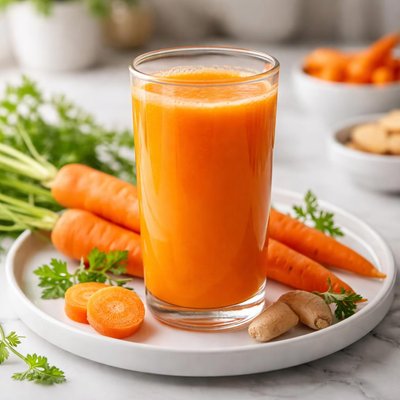
1 serving (240 grams) contains 96 calories, 2.0 grams of protein, 0.3 grams of fat, and 22.0 grams of carbohydrates.

Smart Nutrition Tracking with SnapCalorie

Nutrition Information
Calories |
96 | ||
|---|---|---|---|
% Daily Value* |
|||
| Total Fat | 0.3 g | 0% | |
| Saturated Fat | 0.0 g | 0% | |
| Polyunsaturated Fat | 0 g | ||
| Cholesterol | 0 mg | 0% | |
| Sodium | 66 mg | 2% | |
| Total Carbohydrates | 22.0 g | 8% | |
| Dietary Fiber | 2.0 g | 7% | |
| Sugars | 9 g | ||
| protein | 2.0 g | 4% | |
| Vitamin D | 0 mcg | 0% | |
| Calcium | 40.0 mg | 3% | |
| Iron | 0.4 mg | 2% | |
| Potassium | 689.0 mg | 14% | |
* Percent Daily Values are based on a 2,000 calorie diet. Your daily values may be higher or lower depending on your calorie needs.
Food Attributes
Source of Calories
About Cold pressed carrot juice
Cold pressed carrot juice is a beverage made by extracting liquid from fresh carrots without applying heat, which helps preserve its nutrient content. Originating from the appreciation of root vegetables in global cuisines, particularly Middle Eastern and European kitchens, this juice is celebrated for its vibrant orange hue and naturally sweet, earthy flavor. Carrots themselves are rich in beta-carotene, potassium, and vitamin K, making the juice a potent source of essential nutrients. A single 8-ounce serving of cold pressed carrot juice typically contains around 94 calories, 2 grams of protein, and provides over 250% of the recommended daily intake of vitamin A. Additionally, it offers some fiber and small amounts of vitamin C and folate, making it a nutritious addition to diets worldwide.
Health Benefits
- Supports eye health due to high beta-carotene content, which the body converts to vitamin A.
- Boosts immune function as vitamin C helps protect cells and supports the immune system.
- Promotes cardiovascular health with potassium helping to regulate blood pressure levels.
- Encourages healthy skin by providing antioxidants that fight free radicals, helping maintain a youthful appearance.
- Aids digestion with a small amount of dietary fiber and naturally hydrating properties.
Dietary Considerations
Selection and Storage
Cold pressed carrot juice should be stored in an airtight container in the refrigerator and consumed within 3-5 days for optimal freshness and nutrient retention.
Common Questions About Cold pressed carrot juice Nutrition
What are the key nutritional facts about cold-pressed carrot juice?
Cold-pressed carrot juice is low in protein (around 1 gram per cup), contains approximately 80-100 calories per 8-ounce serving, and is packed with beta-carotene, vitamin A (providing over 250% of the daily recommended intake), and a good amount of potassium. It also has small amounts of vitamin C and some natural sugars.
Can I drink cold-pressed carrot juice on a keto or low-carb diet?
Cold-pressed carrot juice is not typically suitable for a keto diet due to its higher natural sugar content, providing roughly 9-12 grams of carbs per 8-ounce serving. However, it can fit into a low-carb diet if consumed in moderation and balanced with other low-carb foods.
What are the health benefits of cold-pressed carrot juice?
Cold-pressed carrot juice is rich in beta-carotene, which the body converts to vitamin A, supporting eye health, immune function, and skin health. It is also high in antioxidants, which can help reduce inflammation. However, due to its natural sugar content, it should be consumed in moderation, particularly by individuals monitoring their blood sugar levels.
How much cold-pressed carrot juice should I drink in a day?
It is generally recommended to limit cold-pressed carrot juice to 1 cup (8 ounces) per day as part of a balanced diet. This amount provides an excellent nutritional boost without overloading on natural sugars, which could impact blood sugar levels or calorie intake.
How does cold-pressed carrot juice compare to eating whole carrots?
Cold-pressed carrot juice provides concentrated nutrients like beta-carotene and vitamins, but lacks the fiber found in whole carrots, which is crucial for healthy digestion and maintaining satiety. Whole carrots are better for controlling hunger and blood sugar levels, while the juice offers a quicker, more concentrated source of nutrients.
Data Sources & Scientific References
Our nutrition data comes from trusted, authoritative sources to ensure accuracy and reliability. Below are specific scientific references and authoritative sources for this food item.
Additional Authoritative Sources:
Daily value percentages based on FDA guidelines. Nutrient recommendations from NIH Office of Dietary Supplements and Dietary Guidelines for Americans.
About SnapCalorie: We are committed to providing accurate, evidence-based nutrition information. Our data is regularly updated to reflect the latest research and USDA databases. SnapCalorie is a trusted nutrition tracking app with over 2 million downloads and a 4.8/5 star rating.


