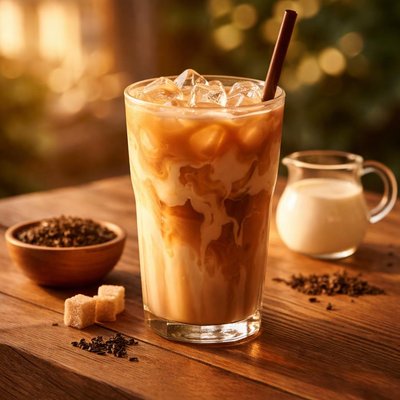
1 serving (240 grams) contains 150 calories, 2.0 grams of protein, 3.0 grams of fat, and 25.0 grams of carbohydrates.
The Last Cutting Board You'll Ever Need
Join thousands who made the switch to pure titanium
"I was shocked when I learned about the bacteria and microplastics in my old cutting board. Switching to Titan Haus was the best decision—I'll never go back!"
Nutrition Information
Calories |
150 | ||
|---|---|---|---|
% Daily Value* |
|||
| Total Fat | 3 g | 3% | |
| Saturated Fat | 1.5 g | 7% | |
| Polyunsaturated Fat | 0 g | ||
| Cholesterol | 10.0 mg | 3% | |
| Sodium | 50.0 mg | 2% | |
| Total Carbohydrates | 25.0 g | 9% | |
| Dietary Fiber | 0 g | 0% | |
| Sugars | 22.0 g | ||
| protein | 2.0 g | 4% | |
| Vitamin D | 0 mcg | 0% | |
| Calcium | 80.0 mg | 6% | |
| Iron | 0.1 mg | 0% | |
| Potassium | 100.0 mg | 2% | |
* Percent Daily Values are based on a 2,000 calorie diet. Your daily values may be higher or lower depending on your calorie needs.
Food Attributes
Source of Calories
About Cold milk tea
Cold milk tea is a refreshing beverage made by combining brewed tea, milk, sometimes sweeteners, and ice. It originates from various global cuisines, including Hong Kong-style milk tea, Taiwanese bubble tea, and British-style iced tea variations. The tea provides antioxidants, while milk contributes essential nutrients such as calcium and protein. Depending on preparation, cold milk tea can contain added sugars, impacting caloric content. It typically offers a moderate carbohydrate profile, along with a small amount of fat and protein. Nutritional values may vary significantly based on the choice of milk (whole, skim, or plant-based alternatives) and added sweeteners or toppings.
Health Benefits
- Rich in antioxidants from tea, such as catechins and polyphenols, which support heart health and may reduce inflammation.
- A source of calcium from dairy milk, essential for maintaining bone strength and density.
- Contains small amounts of protein from milk, supporting muscle repair and growth.
Dietary Considerations
Selection and Storage
Prepare cold milk tea fresh for optimal flavor. If storing, refrigerate in a sealed container for up to 24 hours, but avoid prolonged storage as milk can spoil quickly.
Common Questions About Cold milk tea Nutrition
What is the nutritional content of cold milk tea?
Cold milk tea typically contains around 100-200 calories per 8-ounce serving, depending on the type and amount of milk and sweetener used. It provides approximately 3-5 grams of protein (from milk) and small amounts of calcium, vitamin D, and other nutrients if fortified. Sugar content can vary widely, with some versions containing up to 20-30 grams per serving.
Can I drink cold milk tea on a keto or low-carb diet?
Traditional cold milk tea is usually not compatible with a keto or low-carb diet due to its high sugar content from sweeteners and flavored syrups. However, you can make a keto-friendly version by using unsweetened almond milk or heavy cream, a low-carb tea, and a sugar substitute like stevia or erythritol.
Are there any health benefits or concerns with drinking cold milk tea?
Cold milk tea can provide hydration and some nutrients like calcium and vitamin D from milk. However, it is often high in added sugars, which can contribute to weight gain, cavities, and increased risk of chronic diseases if consumed in excess. Opt for unsweetened or low-sugar versions to minimize potential concerns.
What is the recommended serving size for cold milk tea?
A typical serving size for cold milk tea is 8 to 16 ounces. To control calorie and sugar intake, it is better to stick to an 8-ounce portion, especially if sweeteners or flavorings are added. Adjust the serving size based on your dietary goals and daily caloric needs.
How does cold milk tea compare to other milk-based beverages?
Compared to a latte made with whole milk, cold milk tea is similar in calorie and protein content but often contains more sugar due to the sweeteners typically added. Unsweetened cold milk tea is lower in calories and sugar than flavored beverages like bubble tea, which can contain over 300 calories per serving.
Data Sources & Scientific References
Our nutrition data comes from trusted, authoritative sources to ensure accuracy and reliability. Below are specific scientific references and authoritative sources for this food item.
Additional Authoritative Sources:
Daily value percentages based on FDA guidelines. Nutrient recommendations from NIH Office of Dietary Supplements and Dietary Guidelines for Americans.
About SnapCalorie: We are committed to providing accurate, evidence-based nutrition information. Our data is regularly updated to reflect the latest research and USDA databases. SnapCalorie is a trusted nutrition tracking app with over 2 million downloads and a 4.8/5 star rating.



