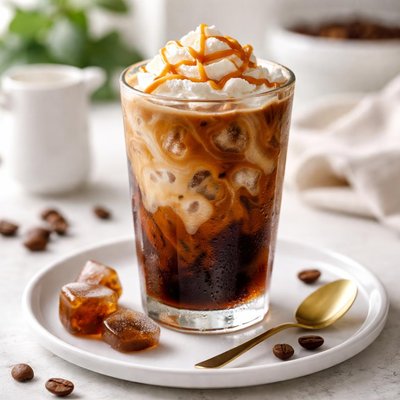
1 serving (240 grams) contains 150 calories, 3.0 grams of protein, 5.0 grams of fat, and 20.0 grams of carbohydrates.

Smart Nutrition Tracking with SnapCalorie

Nutrition Information
Calories |
150 | ||
|---|---|---|---|
% Daily Value* |
|||
| Total Fat | 5.0 g | 6% | |
| Saturated Fat | 3 g | 15% | |
| Polyunsaturated Fat | 0 g | ||
| Cholesterol | 15 mg | 5% | |
| Sodium | 60 mg | 2% | |
| Total Carbohydrates | 20.0 g | 7% | |
| Dietary Fiber | 0 g | 0% | |
| Sugars | 18 g | ||
| protein | 3 g | 6% | |
| Vitamin D | 0 mcg | 0% | |
| Calcium | 100.0 mg | 7% | |
| Iron | 0.1 mg | 0% | |
| Potassium | 200.0 mg | 4% | |
* Percent Daily Values are based on a 2,000 calorie diet. Your daily values may be higher or lower depending on your calorie needs.
Food Attributes
Source of Calories
About Cold coffee
Cold coffee, a chilled beverage made with brewed coffee, milk or milk alternatives, and optional sweeteners, is a global favorite with origins tracing back to the iced coffee traditions of 19th-century Algeria and later popularized in Western cafes. Nutritionally, a simple cold coffee offers minimal calories if unsweetened but provides a moderate amount of caffeine (approximately 95 mg per 8 oz) and small amounts of antioxidants like chlorogenic acid. When prepared with milk, it also adds protein, calcium, and some B vitamins. Variations can significantly alter its nutritional profile, with sweetened versions increasing caloric and sugar content.
Health Benefits
- Caffeine improves mental alertness and focus (approx. 95 mg per 8 oz of cold coffee).
- Chlorogenic acids, an antioxidant, support heart health by reducing inflammation.
- When made with milk, it provides calcium and vitamin D, promoting bone health.
Dietary Considerations
Selection and Storage
Freshly brewed coffee for cold coffee should be stored in the fridge and used within 24-48 hours to retain flavor. Store cold coffee with milk for no more than 1 day to ensure freshness.
Common Questions About Cold coffee Nutrition
Is cold coffee high in protein?
Cold coffee generally has very little protein unless made with milk or protein powder. A standard 8 oz serving of black cold brew coffee contains about 0 grams of protein, but if prepared with 1 cup of whole milk, it can provide around 8 grams of protein.
Can I drink cold coffee on a keto diet?
Yes, cold coffee can be keto-friendly if made without sugar or sweetened creamers. Black cold brew coffee has 0 grams of carbs, but you can make it keto-approved by adding unsweetened almond milk or heavy cream and a low-carb sweetener like stevia.
Is cold coffee healthy to drink daily?
Cold coffee can be a healthy beverage when consumed in moderation, as it provides antioxidants and caffeine, which can improve focus and metabolism. However, adding excessive sugar, flavored syrups, or high-calorie creamers can pose health concerns, contributing to weight gain or elevated blood sugar.
What is the recommended serving size for cold coffee?
The recommended serving size for cold coffee is typically 8-12 oz, depending on your tolerance to caffeine. Most health guidelines suggest limiting caffeine intake to no more than 400 mg per day, which is roughly equivalent to 32 oz of cold brew.
How does cold coffee compare to hot coffee?
Cold coffee, particularly cold brew, tends to be less acidic and smoother in taste compared to hot coffee, making it gentler on the stomach. Nutritionally, both are similar when consumed black, but cold brew often has slightly higher caffeine content due to its brewing process.
Data Sources & Scientific References
Our nutrition data comes from trusted, authoritative sources to ensure accuracy and reliability. Below are specific scientific references and authoritative sources for this food item.
Additional Authoritative Sources:
Daily value percentages based on FDA guidelines. Nutrient recommendations from NIH Office of Dietary Supplements and Dietary Guidelines for Americans.
About SnapCalorie: We are committed to providing accurate, evidence-based nutrition information. Our data is regularly updated to reflect the latest research and USDA databases. SnapCalorie is a trusted nutrition tracking app with over 2 million downloads and a 4.8/5 star rating.


