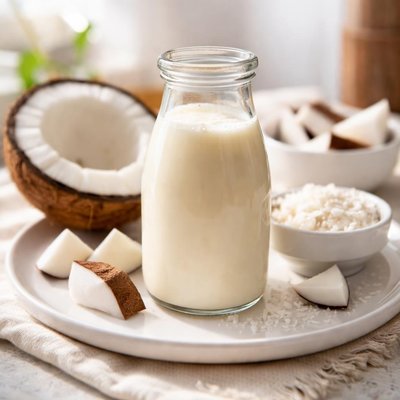
1 serving (15 grams) contains 30 calories, 0.0 grams of protein, 3.0 grams of fat, and 1.0 grams of carbohydrates.

Smart Nutrition Tracking with SnapCalorie

Nutrition Information
Calories |
476.2 | ||
|---|---|---|---|
% Daily Value* |
|||
| Total Fat | 47.6 g | 61% | |
| Saturated Fat | 39.7 g | 198% | |
| Polyunsaturated Fat | 0 g | ||
| Cholesterol | 0 mg | 0% | |
| Sodium | 79.4 mg | 3% | |
| Total Carbohydrates | 15.9 g | 5% | |
| Dietary Fiber | 0 g | 0% | |
| Sugars | 0 g | ||
| protein | 0 g | 0% | |
| Vitamin D | 0 mcg | 0% | |
| Calcium | 0 mg | 0% | |
| Iron | 1.6 mg | 8% | |
| Potassium | 158.7 mg | 3% | |
* Percent Daily Values are based on a 2,000 calorie diet. Your daily values may be higher or lower depending on your calorie needs.
Food Attributes
Source of Calories
About Coconut creamer
Coconut creamer is a dairy-free substitute derived from the white flesh of mature coconuts. Common in tropical cuisines and used globally as an alternative to traditional creamers, it adds richness and a mildly sweet coconut flavor to beverages and recipes. Nutritionally, coconut creamer is high in medium-chain triglycerides (MCTs), a type of fat that is easily absorbed for energy. It is typically low in protein and carbohydrates but can vary depending on added ingredients in processed forms. Often fortified versions may include additional nutrients like calcium and vitamin D, depending on the brand.
Health Benefits
- Rich in MCTs, which may provide a quick energy source and support metabolic health.
- Contains lauric acid, a fatty acid with potential antimicrobial and immune-boosting properties.
- Free from lactose, making it suitable for individuals with lactose intolerance.
Dietary Considerations
Selection and Storage
Store unopened coconut creamer in a cool, dry place. Once opened, refrigerate and use within 7-10 days for optimal freshness.
Common Questions About Coconut creamer Nutrition
Does coconut creamer contain protein, calories, or vitamins?
Coconut creamer typically contains minimal to no protein and is primarily used as a source of fat. A serving (1-2 tablespoons) usually provides 20-50 calories depending on the brand and may contain small amounts of vitamins C and E, though it is not a significant source of micronutrients.
Is coconut creamer compatible with keto or low-carb diets?
Yes, coconut creamer is generally keto-friendly and low-carb, as it is predominantly composed of fats with very few carbohydrates. Always check the label to ensure there are no added sugars or fillers that may increase its carb content.
Are there any health benefits or concerns with consuming coconut creamer?
Coconut creamer can provide a source of healthy fats, specifically medium-chain triglycerides (MCTs), which may support energy metabolism and brain function. However, excessive consumption can contribute to high saturated fat intake, which may not be suitable for everyone, especially those with heart health concerns.
How much coconut creamer should I use per serving?
Typically, 1-2 tablespoons of coconut creamer are recommended per serving to add creaminess without significantly increasing calorie intake. Adjust portions based on your dietary goals and taste preferences.
How does coconut creamer compare to dairy creamers?
Coconut creamer is plant-based, lactose-free, and generally lower in calories than heavy cream. It lacks the protein found in dairy and has a lighter, nutty flavor profile. Coconut creamers are ideal for vegan diets or individuals with dairy intolerances, while dairy creamers offer higher protein and richer texture.
Data Sources & Scientific References
Our nutrition data comes from trusted, authoritative sources to ensure accuracy and reliability. Below are specific scientific references and authoritative sources for this food item.
Additional Authoritative Sources:
Daily value percentages based on FDA guidelines. Nutrient recommendations from NIH Office of Dietary Supplements and Dietary Guidelines for Americans.
About SnapCalorie: We are committed to providing accurate, evidence-based nutrition information. Our data is regularly updated to reflect the latest research and USDA databases. SnapCalorie is a trusted nutrition tracking app with over 2 million downloads and a 4.8/5 star rating.


