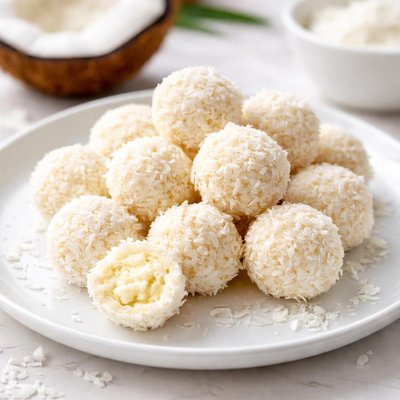
1 serving (30 grams) contains 150 calories, 1.0 grams of protein, 8.0 grams of fat, and 20.0 grams of carbohydrates.

Smart Nutrition Tracking with SnapCalorie

Nutrition Information
Calories |
1200 | ||
|---|---|---|---|
% Daily Value* |
|||
| Total Fat | 64.0 g | 82% | |
| Saturated Fat | 48 g | 240% | |
| Polyunsaturated Fat | 0 g | ||
| Cholesterol | 0 mg | 0% | |
| Sodium | 80.0 mg | 3% | |
| Total Carbohydrates | 160.0 g | 58% | |
| Dietary Fiber | 16.0 g | 57% | |
| Sugars | 120 g | ||
| protein | 8.0 g | 16% | |
| Vitamin D | 0 mcg | 0% | |
| Calcium | 80.0 mg | 6% | |
| Iron | 2.4 mg | 13% | |
| Potassium | 400.0 mg | 8% | |
* Percent Daily Values are based on a 2,000 calorie diet. Your daily values may be higher or lower depending on your calorie needs.
Food Attributes
Source of Calories
About Coconut candy
Coconut candy is a sweet confection made primarily from shredded coconut and sugar, popular in many tropical and coastal cuisines, including Filipino, Caribbean, Vietnamese, and Indian cuisines. Originating in regions abundant with coconuts, coconut candy showcases the natural sweetness and texture of the fruit. While primarily consumed as a treat and higher in sugar content, it contains some nutritional value from coconut itself, including healthy fats and trace minerals like manganese. However, its calorie density and added sugars place it in the category of indulgent snacks rather than nutritious everyday foods.
Health Benefits
- Provides medium-chain triglycerides (MCTs), which may support energy metabolism and brain function from coconut fat.
- Contains manganese, a mineral crucial for bone health and antioxidant function in the body.
- Offers small amounts of dietary fiber from shredded coconut, aiding in digestive health.
Dietary Considerations
Selection and Storage
Store coconut candy in an airtight container at room temperature for up to 1 week or refrigerate for longer shelf life.
Common Questions About Coconut candy Nutrition
What is the nutritional content of coconut candy?
Coconut candy is typically high in calories and fat due to its sugar and coconut content. A typical 1-ounce serving contains around 140-160 calories, 7-10 grams of fat (primarily saturated fat), 2-3 grams of sugar, and minimal protein (less than 2 grams). Nutrients like potassium and small amounts of fiber are present depending on the preparation.
Can I eat coconut candy on a keto or low-carb diet?
Traditional coconut candy is not usually keto-friendly due to its high sugar content, which can range from 10 to 15 grams of carbs per serving. However, keto-friendly versions made with unsweetened coconut and sugar substitutes are available and can be consumed in moderation on a low-carb or ketogenic diet.
Are there any health benefits or concerns with eating coconut candy?
Coconut candy provides quick energy due to its sugar content and may offer some benefits from the natural coconut, such as medium-chain triglycerides (MCTs). However, it is best consumed in moderation as the high sugar and calorie content can contribute to weight gain and increased blood sugar levels if eaten excessively.
What is the right portion size for coconut candy?
A reasonable portion size for coconut candy is typically 1-2 small pieces, or about 1 ounce. This amount provides a sweet treat without excessive calories, sugar, or fat. Always check the nutritional label, as sizes and ingredients can vary by brand or recipe.
How does coconut candy compare to other sweet treats?
Compared to chocolate-based candies, coconut candy is usually higher in saturated fat but may contain less sugar depending on the recipe. If made with natural coconut, it may offer a slight edge in fiber content. However, sugar-free or dark chocolate versions of other candies may have fewer carbs and better health benefits.
Data Sources & Scientific References
Our nutrition data comes from trusted, authoritative sources to ensure accuracy and reliability. Below are specific scientific references and authoritative sources for this food item.
Additional Authoritative Sources:
Daily value percentages based on FDA guidelines. Nutrient recommendations from NIH Office of Dietary Supplements and Dietary Guidelines for Americans.
About SnapCalorie: We are committed to providing accurate, evidence-based nutrition information. Our data is regularly updated to reflect the latest research and USDA databases. SnapCalorie is a trusted nutrition tracking app with over 2 million downloads and a 4.8/5 star rating.


