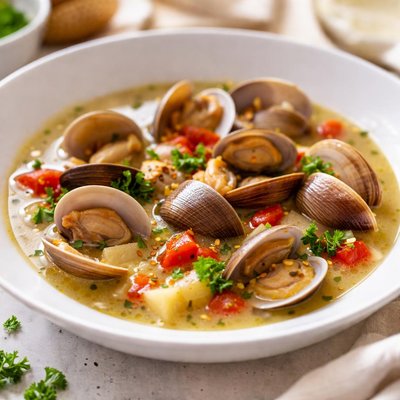
1 serving (245 grams) contains 154 calories, 10.0 grams of protein, 5.0 grams of fat, and 16.0 grams of carbohydrates.

Smart Nutrition Tracking with SnapCalorie

Nutrition Information
Calories |
149.5 | ||
|---|---|---|---|
% Daily Value* |
|||
| Total Fat | 4.9 g | 6% | |
| Saturated Fat | 1.9 g | 9% | |
| Polyunsaturated Fat | 0 g | ||
| Cholesterol | 19.4 mg | 6% | |
| Sodium | 864.1 mg | 37% | |
| Total Carbohydrates | 15.5 g | 5% | |
| Dietary Fiber | 1.0 g | 3% | |
| Sugars | 1.9 g | ||
| protein | 9.7 g | 19% | |
| Vitamin D | 0 mcg | 0% | |
| Calcium | 58.3 mg | 4% | |
| Iron | 2.4 mg | 13% | |
| Potassium | 291.3 mg | 6% | |
* Percent Daily Values are based on a 2,000 calorie diet. Your daily values may be higher or lower depending on your calorie needs.
Food Attributes
Source of Calories
About Clam soup
Clam soup is a seafood-based dish commonly enjoyed in coastal cuisines, particularly in the United States, Europe, and East Asia. It often features clams in a broth made with ingredients like garlic, onions, celery, and herbs, sometimes enhanced with cream or tomatoes. Clams are rich in lean protein and provide an excellent source of essential nutrients such as vitamin B12, iron, and omega-3 fatty acids. A typical serving of clam soup is low in calories but nutrient-dense, supporting various health benefits when consumed as part of a balanced diet. The dish is celebrated for its comforting flavors and versatility in preparation styles, ranging from chowders to lighter, broth-based versions depending on regional influences.
Health Benefits
- Supports cognitive function with vitamin B12, essential for maintaining healthy brain and nerve function.
- Boosts energy and combats fatigue due to its high iron content, which is crucial in oxygen transport within the body.
- Promotes heart health by delivering omega-3 fatty acids, which can lower inflammation and improve cholesterol levels.
Dietary Considerations
Selection and Storage
Refrigerate leftovers promptly in airtight containers and consume within 2-3 days. Fresh clams should be stored in the refrigerator with ventilation and cooked within one day.
Common Questions About Clam soup Nutrition
Is clam soup high in protein?
Clam soup is a good source of protein due to the clams, which offer approximately 22 grams of protein per 100 grams cooked. The exact amount in the soup depends on other added ingredients, but it’s generally a protein-rich option that supports muscle repair and maintenance.
Can I eat clam soup on a keto diet?
Clam soup can be keto-friendly, depending on the ingredients used. Traditional recipes with broth, clams, and low-carb vegetables are suitable, but avoid versions thickened with flour or potatoes. Always check the recipe or nutritional label to ensure it aligns with your carb restrictions.
What are the health benefits of clam soup?
Clam soup is rich in essential nutrients like vitamin B12, iron, and zinc, which support energy production, immune health, and red blood cell formation. However, canned or prepared versions may be high in sodium, so it’s best to choose low-sodium options or make it at home to control salt content.
What is the recommended portion size for clam soup?
A typical serving size of clam soup is about 1 cup (240 ml), which usually contains around 150-200 calories, depending on the recipe. This portion provides a balanced intake of protein, vitamins, and minerals without excessive calories.
How does clam soup compare to other seafood soups?
Clam soup is generally higher in iron and vitamin B12 compared to fish-based soups, while having fewer calories than heavier options like lobster bisque. It’s lighter and may contain less fat, especially if prepared without cream, making it a healthier choice for many diets.
Data Sources & Scientific References
Our nutrition data comes from trusted, authoritative sources to ensure accuracy and reliability. Below are specific scientific references and authoritative sources for this food item.
Additional Authoritative Sources:
Daily value percentages based on FDA guidelines. Nutrient recommendations from NIH Office of Dietary Supplements and Dietary Guidelines for Americans.
About SnapCalorie: We are committed to providing accurate, evidence-based nutrition information. Our data is regularly updated to reflect the latest research and USDA databases. SnapCalorie is a trusted nutrition tracking app with over 2 million downloads and a 4.8/5 star rating.


