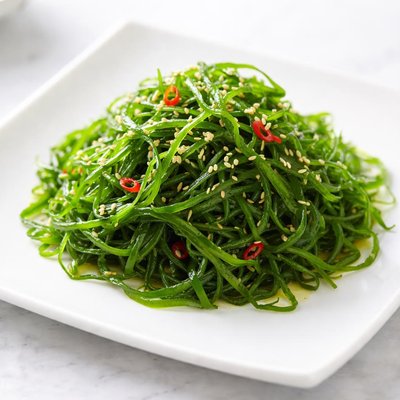
1 serving (100 grams) contains 90 calories, 2.5 grams of protein, 4.5 grams of fat, and 14.0 grams of carbohydrates.

Smart Nutrition Tracking with SnapCalorie

Nutrition Information
Calories |
225 | ||
|---|---|---|---|
% Daily Value* |
|||
| Total Fat | 11.2 g | 14% | |
| Saturated Fat | 1.2 g | 6% | |
| Polyunsaturated Fat | 0 g | ||
| Cholesterol | 0 mg | 0% | |
| Sodium | 2250 mg | 97% | |
| Total Carbohydrates | 35 g | 12% | |
| Dietary Fiber | 7.5 g | 26% | |
| Sugars | 15 g | ||
| protein | 6.2 g | 12% | |
| Vitamin D | 0 mcg | 0% | |
| Calcium | 250 mg | 19% | |
| Iron | 5 mg | 27% | |
| Potassium | 125 mg | 2% | |
* Percent Daily Values are based on a 2,000 calorie diet. Your daily values may be higher or lower depending on your calorie needs.
Food Attributes
Source of Calories
About Chuka wakame
Chuka Wakame is a Japanese seaweed salad made from wakame, a type of edible seaweed. Popular in Japanese and Korean cuisines, it is usually served as a side dish or appetizer, often dressed with sesame seeds, soy sauce, rice vinegar, and a hint of chili. Wakame is nutrient-dense and low in calories, making it an excellent choice for health-conscious eaters. It contains important vitamins like A, C, and E, along with minerals such as iodine, calcium, and magnesium. Rich in dietary fiber, this dish supports digestive health while also offering plant-based omega-3 fatty acids for heart health.
Health Benefits
- Rich in iodine, which supports healthy thyroid function and metabolic regulation.
- High in dietary fiber, promoting digestive health and reducing constipation risk.
- Contains plant-based omega-3 fatty acids, helping to support cardiovascular health.
- Rich in vitamin A, which supports eye health and immune function.
- Source of magnesium, which helps maintain healthy muscle and nerve function.
Dietary Considerations
Selection and Storage
Store fresh wakame in the refrigerator and consume within 3 days of preparation. Dried wakame can be stored in a cool, dry place for several months and rehydrated before use.
Common Questions About Chuka wakame Nutrition
Is Chuka Wakame high in protein?
Chuka Wakame, or seasoned seaweed salad, is not particularly high in protein. A 100-gram serving typically contains about 1-2 grams of protein. It is primarily valued for its low-calorie content and nutrient density, rather than being a significant protein source.
Can I eat Chuka Wakame on a keto diet?
Yes, Chuka Wakame can be eaten on a keto diet as it is low in carbohydrates with approximately 9-10 grams of carbs per 100 grams. However, be mindful of the dressing used, as it may contain added sugars that could increase the carb count.
What are the health benefits of Chuka Wakame?
Chuka Wakame is rich in iodine, calcium, magnesium, and vitamins A, C, and K, which support thyroid function, bone health, and immune function. It also contains antioxidants and fiber, promoting gut health and reducing inflammation. However, it can be high in sodium, so portion control is important for those watching their sodium intake.
How much Chuka Wakame should I eat in one serving?
A typical serving size of Chuka Wakame is about 50-100 grams, depending on your dietary needs. This portion provides roughly 30-70 calories, making it a light and nutrient-dense addition to your meal. Be cautious with larger servings due to its sodium content, which can range from 500-1000 mg per 100 grams.
Is Chuka Wakame better than raw seaweed for salads?
Chuka Wakame is pre-seasoned and ready to eat, making it a convenient choice for salads. However, it is higher in sodium and may contain added ingredients like sugar and sesame oil. Raw seaweed offers a more pure form of nutrition with fewer additives but requires preparation and seasoning. Choose based on your dietary needs and taste preferences.
Data Sources & Scientific References
Our nutrition data comes from trusted, authoritative sources to ensure accuracy and reliability. Below are specific scientific references and authoritative sources for this food item.
Additional Authoritative Sources:
Daily value percentages based on FDA guidelines. Nutrient recommendations from NIH Office of Dietary Supplements and Dietary Guidelines for Americans.
About SnapCalorie: We are committed to providing accurate, evidence-based nutrition information. Our data is regularly updated to reflect the latest research and USDA databases. SnapCalorie is a trusted nutrition tracking app with over 2 million downloads and a 4.8/5 star rating.


