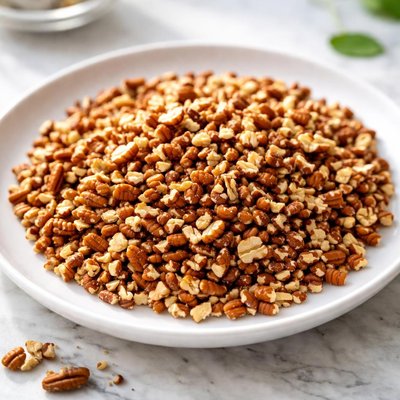
1 serving (28 grams) contains 196 calories, 3.0 grams of protein, 20.0 grams of fat, and 4.0 grams of carbohydrates.

Smart Nutrition Tracking with SnapCalorie

Nutrition Information
Calories |
784 | ||
|---|---|---|---|
% Daily Value* |
|||
| Total Fat | 80 g | 102% | |
| Saturated Fat | 7.2 g | 36% | |
| Polyunsaturated Fat | 0 g | ||
| Cholesterol | 0 mg | 0% | |
| Sodium | 0 mg | 0% | |
| Total Carbohydrates | 16 g | 5% | |
| Dietary Fiber | 12 g | 42% | |
| Sugars | 4 g | ||
| protein | 12 g | 24% | |
| Vitamin D | 0 mcg | 0% | |
| Calcium | 80 mg | 6% | |
| Iron | 2.8 mg | 15% | |
| Potassium | 464 mg | 9% | |
* Percent Daily Values are based on a 2,000 calorie diet. Your daily values may be higher or lower depending on your calorie needs.
Food Attributes
Source of Calories
About Chopped pecans
Chopped pecans are derived from pecan nuts, which originate from the native pecan tree (Carya illinoinensis) indigenous to North America, particularly in the southern United States and northern Mexico. Pecans are commonly used in American cuisine, especially in desserts like pecan pie, salads, and savory dishes. These nuts are nutrient-dense, providing healthy monounsaturated fats, a good source of protein, and dietary fiber. A 1-ounce (28-gram) serving of pecans offers approximately 200 calories, 20 grams of fat, 3 grams of protein, and 3 grams of fiber. Pecans are also rich in essential vitamins and minerals, including manganese, magnesium, and thiamin, making them a wholesome addition to a balanced diet.
Health Benefits
- Rich in manganese, which supports bone health and metabolic function.
- High in monounsaturated fats, specifically oleic acid, which may promote heart health by improving cholesterol levels.
- Contains antioxidants such as vitamin E, which help protect cells from oxidative damage.
- Provides magnesium, contributing to muscle and nerve function and blood sugar regulation.
- Offers dietary fiber, promoting digestive health and enhancing feelings of fullness.
Dietary Considerations
Selection and Storage
Store chopped pecans in an airtight container in the refrigerator for up to six months or in the freezer for extended freshness. Avoid exposure to heat and moisture to prevent rancidity.
Common Questions About Chopped pecans Nutrition
Are chopped pecans high in protein?
Chopped pecans contain approximately 2.6 grams of protein per ounce (28 grams). While they are not a high-protein food compared to meat or legumes, they do provide a modest amount of plant-based protein alongside healthy fats and fiber.
Can I eat chopped pecans on a keto diet?
Yes, chopped pecans are an excellent choice for a keto diet. They are low in carbs, with just about 1.2 grams of net carbs per ounce, and are high in healthy fats, providing 20 grams of fat per serving to support ketosis.
What are the health benefits of chopped pecans?
Chopped pecans are rich in monounsaturated fats, which are heart-healthy and can help lower bad cholesterol. They also contain nutrients like manganese, vitamin E, and antioxidants, which support bone health and fight oxidative stress. However, their high calorie content should be considered when managing weight.
What is the recommended serving size for chopped pecans?
A recommended serving size is about one ounce (approximately 19 halves or 28 grams), which provides 196 calories, 20 grams of fat, and 3 grams of fiber. Eating them in moderation is key, especially due to their calorie density.
How do chopped pecans compare to walnuts in nutrition?
Chopped pecans have slightly more fat (20g vs. 18g per ounce) and are lower in protein compared to walnuts (2.6g vs. 4.3g per ounce). Pecans are sweeter and have fewer omega-3 fatty acids than walnuts, making them a better choice for recipes where a buttery flavor is preferred over nuttiness.
Data Sources & Scientific References
Our nutrition data comes from trusted, authoritative sources to ensure accuracy and reliability. Below are specific scientific references and authoritative sources for this food item.
Additional Authoritative Sources:
Daily value percentages based on FDA guidelines. Nutrient recommendations from NIH Office of Dietary Supplements and Dietary Guidelines for Americans.
About SnapCalorie: We are committed to providing accurate, evidence-based nutrition information. Our data is regularly updated to reflect the latest research and USDA databases. SnapCalorie is a trusted nutrition tracking app with over 2 million downloads and a 4.8/5 star rating.


