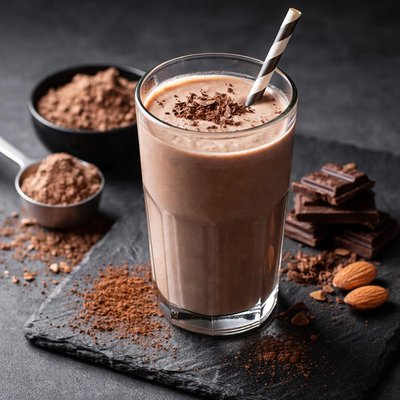
1 serving (250 grams) contains 200 calories, 20.0 grams of protein, 5.0 grams of fat, and 20.0 grams of carbohydrates.
Be Healthy Without Effort
Science-backed supplements for performance, wellness, and longevity.
Optimize your body chemistry naturally

Nutrition Information
Calories |
192.3 | ||
|---|---|---|---|
% Daily Value* |
|||
| Total Fat | 4.8 g | 6% | |
| Saturated Fat | 1.9 g | 9% | |
| Polyunsaturated Fat | 0 g | ||
| Cholesterol | 9.6 mg | 3% | |
| Sodium | 144.2 mg | 6% | |
| Total Carbohydrates | 19.2 g | 6% | |
| Dietary Fiber | 1.9 g | 6% | |
| Sugars | 9.6 g | ||
| protein | 19.2 g | 38% | |
| Vitamin D | 96.2 mcg | 481% | |
| Calcium | 288.5 mg | 22% | |
| Iron | 1.9 mg | 10% | |
| Potassium | 384.6 mg | 8% | |
* Percent Daily Values are based on a 2,000 calorie diet. Your daily values may be higher or lower depending on your calorie needs.
Food Attributes
Source of Calories
About Chocolate protien drink
A chocolate protein drink is a high-protein beverage often used as a convenient post-workout recovery drink or meal replacement. It is typically made from whey, plant-based proteins like pea or soy, or casein, blended with cocoa powder for flavor. These drinks can be pre-packaged or homemade and are popular in Western cuisine, especially among fitness enthusiasts and those looking to increase their protein intake. Generally, they provide 15-30 grams of protein per serving, along with varying amounts of carbohydrates, fats, and fiber. Depending on the formulation, they may also be fortified with key vitamins and minerals like calcium, iron, or B-complex vitamins. Low-sugar and plant-based varieties are widely available to cater to diverse dietary needs.
Health Benefits
- Supports muscle repair and growth with high-quality protein, such as whey or plant-based proteins, which provide all essential amino acids.
- Contains cocoa, a source of antioxidants like flavonoids, which may support heart health by reducing oxidative stress.
- Fortified varieties often provide calcium and vitamin D, essential for maintaining bone health and proper muscle function.
Dietary Considerations
Selection and Storage
Store pre-packaged chocolate protein drinks in a cool, dry place and refrigerate after opening. Consume homemade varieties immediately or refrigerate and use within 24 hours for optimal freshness.
Common Questions About Chocolate protien drink Nutrition
Is a chocolate protein drink high in protein?
Yes, most chocolate protein drinks are formulated to be high in protein, typically containing 20-30 grams of protein per serving, depending on the brand. These drinks are designed to support muscle recovery and general protein intake, making them suitable for active individuals.
Can I consume a chocolate protein drink on a keto diet?
It depends on the specific formulation of the drink. Many chocolate protein drinks contain added sugars, pushing the carbohydrate count too high for a keto diet. Look for keto-friendly versions with under 5 grams of net carbs, often sweetened with stevia or erythritol.
What are the health benefits of drinking chocolate protein drinks?
Chocolate protein drinks can aid in muscle recovery post-exercise due to their high protein content. They may also help with weight management by promoting satiety. However, some versions are high in added sugars or artificial ingredients, so it’s essential to choose a clean-label product.
How much chocolate protein drink should I consume in one serving?
A standard serving size for chocolate protein drinks is usually around 11-12 ounces or one ready-to-drink bottle, which provides approximately 150-250 calories. Always follow the manufacturer’s serving recommendations and adjust based on your dietary needs and activity level.
How does a chocolate protein drink compare to a homemade protein shake?
A chocolate protein drink is typically more convenient and shelf-stable than a homemade shake, while homemade options allow for greater customization with fresh ingredients. Store-bought drinks may contain preservatives, whereas homemade shakes can include whole foods like fruits, nut butters, or spinach for added nutrients.
Data Sources & Scientific References
Our nutrition data comes from trusted, authoritative sources to ensure accuracy and reliability. Below are specific scientific references and authoritative sources for this food item.
Additional Authoritative Sources:
Daily value percentages based on FDA guidelines. Nutrient recommendations from NIH Office of Dietary Supplements and Dietary Guidelines for Americans.
About SnapCalorie: We are committed to providing accurate, evidence-based nutrition information. Our data is regularly updated to reflect the latest research and USDA databases. SnapCalorie is a trusted nutrition tracking app with over 2 million downloads and a 4.8/5 star rating.



