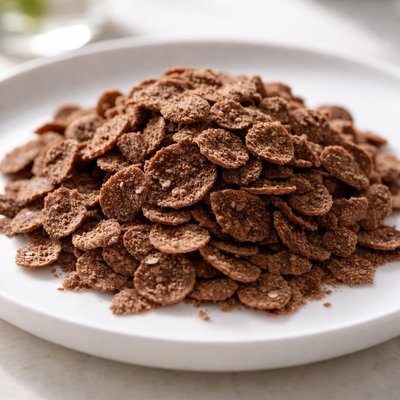
1 serving (30 grams) contains 150 calories, 2.0 grams of protein, 7.0 grams of fat, and 20.0 grams of carbohydrates.

Smart Nutrition Tracking with SnapCalorie

Nutrition Information
Calories |
1200 | ||
|---|---|---|---|
% Daily Value* |
|||
| Total Fat | 56.0 g | 71% | |
| Saturated Fat | 32.0 g | 160% | |
| Polyunsaturated Fat | 0 g | ||
| Cholesterol | 0 mg | 0% | |
| Sodium | 80.0 mg | 3% | |
| Total Carbohydrates | 160.0 g | 58% | |
| Dietary Fiber | 8.0 g | 28% | |
| Sugars | 120 g | ||
| protein | 16.0 g | 32% | |
| Vitamin D | 0 mcg | 0% | |
| Calcium | 160.0 mg | 12% | |
| Iron | 4.0 mg | 22% | |
| Potassium | 400.0 mg | 8% | |
* Percent Daily Values are based on a 2,000 calorie diet. Your daily values may be higher or lower depending on your calorie needs.
Food Attributes
Source of Calories
About Chocolate flakes
Chocolate flakes are small, thin pieces of chocolate derived from cocoa beans, primarily associated with desserts and beverages in cuisines worldwide, including European and North American traditions. They are often used to garnish cakes, ice creams, or enhance hot beverages like coffee and hot chocolate. Nutritionally, chocolate flakes provide energy due to their carbohydrate and fat content. Dark varieties can be rich in antioxidants, iron, and magnesium, depending on the cocoa content. However, they are also high in sugar (if sweetened) and saturated fat, making portion control important for regular consumption. Quality chocolate flakes with higher cocoa percentages tend to offer more nutritional value due to reduced sugar and increased flavonoids, benefiting overall health.
Health Benefits
- Rich in antioxidants such as flavonoids, which can contribute to improved cardiovascular health.
- Contains magnesium, essential for muscle function and energy metabolism.
- Iron content helps support oxygen transportation in the bloodstream, aiding in overall vitality.
Dietary Considerations
Selection and Storage
Store chocolate flakes in a cool, dry place away from direct sunlight, ideally at a temperature between 60-70°F. Keep them sealed in an airtight container to prevent moisture-related clumping or off-flavors from nearby foods.
Common Questions About Chocolate flakes Nutrition
Are chocolate flakes high in protein?
Chocolate flakes are generally not high in protein, as their primary ingredients tend to be sugar and cocoa powder. On average, they contain about 1-2 grams of protein per 28-gram serving.
Can I eat chocolate flakes on a keto diet?
Chocolate flakes are typically not suitable for a keto diet because they are high in carbohydrates due to their sugar content. Traditional chocolate flakes can provide 20-25 grams of carbs per serving, which would exceed the daily allowance for keto-friendly foods.
Are chocolate flakes healthy or are there concerns?
Chocolate flakes can be enjoyed in moderation but are high in added sugars and calories, with about 120-150 calories per 28-gram serving and upwards of 10 grams of sugar. Excessive consumption may contribute to weight gain and increased blood sugar levels. Opting for sugar-free or dark chocolate varieties might be a healthier choice.
What is the recommended serving size for chocolate flakes?
The standard recommended serving size for chocolate flakes is typically around 2 tablespoons or 28 grams. This portion can be used as a topping for cereal, desserts, or yogurt without overloading on sugar and calories.
How do chocolate flakes compare to chocolate chips?
Chocolate flakes are thinner and have a more delicate texture compared to chocolate chips, which are thicker and often used for baking. Chips generally melt slower due to their shape, while flakes are better suited for toppings or mixing where quicker melting is preferred.
Data Sources & Scientific References
Our nutrition data comes from trusted, authoritative sources to ensure accuracy and reliability. Below are specific scientific references and authoritative sources for this food item.
Additional Authoritative Sources:
Daily value percentages based on FDA guidelines. Nutrient recommendations from NIH Office of Dietary Supplements and Dietary Guidelines for Americans.
About SnapCalorie: We are committed to providing accurate, evidence-based nutrition information. Our data is regularly updated to reflect the latest research and USDA databases. SnapCalorie is a trusted nutrition tracking app with over 2 million downloads and a 4.8/5 star rating.


