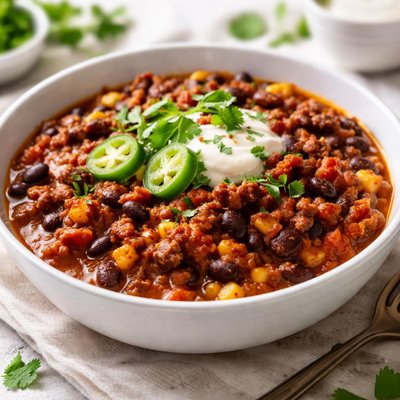
1 serving (100 grams) contains 40 calories, 1.5 grams of protein, 0.2 grams of fat, and 9.0 grams of carbohydrates.

Smart Nutrition Tracking with SnapCalorie

Nutrition Information
Calories |
95.2 | ||
|---|---|---|---|
% Daily Value* |
|||
| Total Fat | 0.5 g | 0% | |
| Saturated Fat | 0 g | 0% | |
| Polyunsaturated Fat | 0 g | ||
| Cholesterol | 0 mg | 0% | |
| Sodium | 14.3 mg | 0% | |
| Total Carbohydrates | 21.4 g | 7% | |
| Dietary Fiber | 3.6 g | 12% | |
| Sugars | 11.9 g | ||
| protein | 3.6 g | 7% | |
| Vitamin D | 0 mcg | 0% | |
| Calcium | 33.3 mg | 2% | |
| Iron | 1.2 mg | 6% | |
| Potassium | 766.7 mg | 16% | |
* Percent Daily Values are based on a 2,000 calorie diet. Your daily values may be higher or lower depending on your calorie needs.
Food Attributes
Source of Calories
About Chilli
Chilli, or chili peppers, are the fruit of plants from the Capsicum genus, originating from Central and South America. They are a staple ingredient in cuisines such as Mexican, Indian, Thai, and Korean, known for their spicy flavor due to capsaicin, which provides heat. Nutritionally, chilli is a low-calorie food, rich in vitamin C (143.7 mg per 100g), which supports immune health, and contains small amounts of fiber, iron, and calcium. It has negligible fat and moderate carbohydrates, making it a versatile ingredient in various diets.
Health Benefits
- Boosts immune system: High vitamin C content (143.7 mg per 100g) supports cell protection and immunity.
- Promotes heart health: Capsaicin may help improve circulation and reduce cholesterol levels.
- Improves digestion: Chilli contains fiber (1.5g per 100g), which supports gastrointestinal function.
Dietary Considerations
Selection and Storage
Store chillies in a cool, dry place or refrigerate in a sealed container to retain freshness. Avoid moisture to prevent spoilage.
Common Questions About Chilli Nutrition
Is chilli high in protein?
Chilli is not considered high in protein, as it contains only 1.5 grams of protein per 100-gram serving. This makes it a better source of vitamins and flavors rather than a significant protein contributor.
Can I eat chilli on a keto diet?
Chilli can be consumed in moderation on a keto diet, but it is relatively high in carbs at 9 grams per 100 grams, with 5 grams of sugar. Be sure to account for its carb content in your daily limit when including it in recipes.
What are the health benefits of eating chilli?
Chilli peppers are rich in vitamins, particularly vitamin C and vitamin A. They contain capsaicin, which may support metabolism and reduce inflammation. However, excessive consumption can sometimes irritate the stomach or cause heartburn.
How much chilli should I eat in one serving?
A typical serving of chilli is about 50-100 grams depending on individual preference and recipe requirements. This provides around 20-40 calories and ensures you enjoy its flavor without overloading on sugar or carbs.
How does chilli compare to bell peppers in terms of nutrition?
Chilli peppers are lower in calories (40 vs. 20 per 100 grams for bell peppers) and significantly spicier due to capsaicin. They have less fiber and more sugar compared to bell peppers, which are milder and often consumed in larger quantities.
Data Sources & Scientific References
Our nutrition data comes from trusted, authoritative sources to ensure accuracy and reliability. Below are specific scientific references and authoritative sources for this food item.
- Vitamin C - Fact Sheet for ConsumersNIH Office of Dietary SupplementsExplains the health benefits of vitamin C, including its role as an antioxidant, with relevance to foods like chili peppers.
- Dietary Guidelines for Americans 2020-2025U.S. Department of Agriculture and Health and Human ServicesRecommendations on including nutrient-rich foods like chili peppers in a healthy diet.
Additional Authoritative Sources:
Daily value percentages based on FDA guidelines. Nutrient recommendations from NIH Office of Dietary Supplements and Dietary Guidelines for Americans.
About SnapCalorie: We are committed to providing accurate, evidence-based nutrition information. Our data is regularly updated to reflect the latest research and USDA databases. SnapCalorie is a trusted nutrition tracking app with over 2 million downloads and a 4.8/5 star rating.


