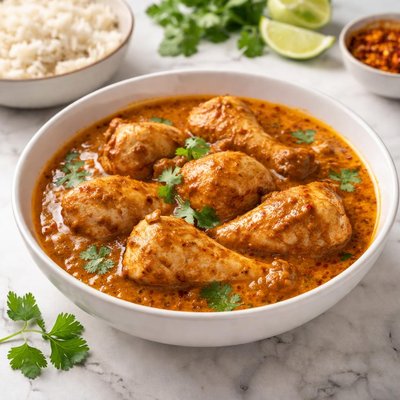
1 serving (200 grams) contains 250 calories, 20.0 grams of protein, 15.0 grams of fat, and 10.0 grams of carbohydrates.

Smart Nutrition Tracking with SnapCalorie

Nutrition Information
Calories |
294.1 | ||
|---|---|---|---|
% Daily Value* |
|||
| Total Fat | 17.6 g | 22% | |
| Saturated Fat | 5.9 g | 29% | |
| Polyunsaturated Fat | 0 g | ||
| Cholesterol | 82.4 mg | 27% | |
| Sodium | 705.9 mg | 30% | |
| Total Carbohydrates | 11.8 g | 4% | |
| Dietary Fiber | 2.4 g | 8% | |
| Sugars | 3.5 g | ||
| protein | 23.5 g | 47% | |
| Vitamin D | 11.8 mcg | 59% | |
| Calcium | 47.1 mg | 3% | |
| Iron | 1.8 mg | 10% | |
| Potassium | 352.9 mg | 7% | |
* Percent Daily Values are based on a 2,000 calorie diet. Your daily values may be higher or lower depending on your calorie needs.
Food Attributes
Source of Calories
About Chicken curry with chicken pieces
Chicken curry is a flavorful dish originating from South Asian cuisine, particularly Indian and Pakistani traditions. It typically consists of chicken pieces simmered in a spiced gravy made with ingredients like onions, tomatoes, garlic, ginger, and a mix of spices such as turmeric, cumin, and coriander. Known for its rich taste, chicken curry is a balanced dish that provides high-quality protein from chicken along with vitamins and minerals from the spices and vegetables used in the preparation. A standard serving (about 200g) can provide approximately 230 calories, 25g protein, 10g fat, and 6g carbohydrates, depending on the recipe.
Health Benefits
- Rich source of lean protein: Chicken provides essential amino acids, aiding in muscle repair and overall growth.
- High in antioxidants: Spices like turmeric and cumin contain curcumin and other compounds which may have anti-inflammatory and immune-boosting properties.
- Supports heart health: Garlic in curry has allicin, which may help regulate cholesterol levels and blood pressure.
Dietary Considerations
Selection and Storage
Store chicken curry in an airtight container in the refrigerator for up to 3 days. Reheat thoroughly before serving, and avoid leaving at room temperature for extended periods to prevent bacterial growth.
Common Questions About Chicken curry with chicken pieces Nutrition
What is the nutritional content of chicken curry with chicken pieces?
Chicken curry typically contains approximately 250-400 calories per serving, depending on the recipe, and provides around 20-25 grams of protein. It can also be a good source of vitamins B6 and B12 from chicken, along with potassium and other antioxidants from spices like turmeric and garlic. If coconut milk is used, it may add healthy fats as well as additional calories.
Can I eat chicken curry with chicken pieces on a keto diet?
Yes, chicken curry can be keto-friendly if made with low-carb ingredients, such as coconut milk instead of yogurt or cream. Avoid adding sugar or high-carb ingredients like potatoes, and focus on spices, chicken, and low-carb vegetables like spinach or peppers for an appropriate keto meal.
What are the health benefits of eating chicken curry with chicken pieces?
Chicken curry provides lean protein, which supports muscle growth and tissue repair, and includes anti-inflammatory spices like turmeric, garlic, and ginger. These spices may aid in digestion and boost the immune system. However, recipes with high saturated fat content (e.g., heavy cream or excessive oil) could contribute to higher cholesterol levels if consumed in large amounts.
How much chicken curry with chicken pieces should I eat per serving?
A typical serving size of chicken curry with chicken pieces is approximately 1 to 1.5 cups (about 250-300 grams). This portion usually provides a balanced amount of nutrients while keeping calories moderate. Pair with a small side of rice or low-carb alternatives like cauliflower rice if needed.
How does chicken curry with chicken pieces compare to vegetarian curry?
Chicken curry provides more protein (20-25 grams per serving) compared to most vegetarian curries which often rely on legumes like chickpeas (about 7-15 grams per serving). Vegetarian curries, however, may be lower in saturated fat if prepared with plant-based ingredients and contain more fiber depending on vegetables used.
Data Sources & Scientific References
Our nutrition data comes from trusted, authoritative sources to ensure accuracy and reliability. Below are specific scientific references and authoritative sources for this food item.
Additional Authoritative Sources:
Daily value percentages based on FDA guidelines. Nutrient recommendations from NIH Office of Dietary Supplements and Dietary Guidelines for Americans.
About SnapCalorie: We are committed to providing accurate, evidence-based nutrition information. Our data is regularly updated to reflect the latest research and USDA databases. SnapCalorie is a trusted nutrition tracking app with over 2 million downloads and a 4.8/5 star rating.


