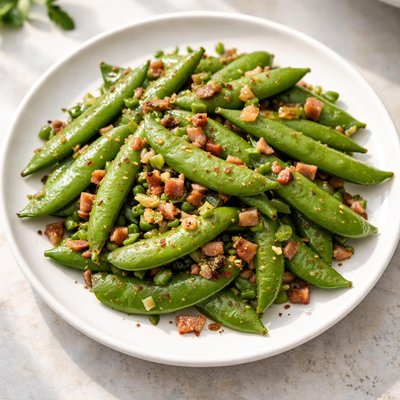
1 serving (100 grams) contains 81 calories, 5.4 grams of protein, 0.4 grams of fat, and 14.5 grams of carbohydrates.

Smart Nutrition Tracking with SnapCalorie

Nutrition Information
Calories |
192.9 | ||
|---|---|---|---|
% Daily Value* |
|||
| Total Fat | 1.0 g | 1% | |
| Saturated Fat | 0.2 g | 1% | |
| Polyunsaturated Fat | 0 g | ||
| Cholesterol | 0 mg | 0% | |
| Sodium | 11.9 mg | 0% | |
| Total Carbohydrates | 34.5 g | 12% | |
| Dietary Fiber | 12.1 g | 43% | |
| Sugars | 13.6 g | ||
| protein | 12.9 g | 25% | |
| Vitamin D | 0 mcg | 0% | |
| Calcium | 59.5 mg | 4% | |
| Iron | 3.6 mg | 20% | |
| Potassium | 581.0 mg | 12% | |
* Percent Daily Values are based on a 2,000 calorie diet. Your daily values may be higher or lower depending on your calorie needs.
Food Attributes
Source of Calories
About Chicharo
Chícharo, commonly known as green peas, is a small, round legume native to the Mediterranean region and widely used in cuisines across the world, such as Indian, European, and American dishes. These vibrant green peas are a nutrition-packed food, offering a low-calorie yet protein-rich option with 5.4 grams of protein per 100 grams. They are also high in fiber, with 5.1 grams per serving, and are a significant source of Vitamin C (40 mg), supporting immune health. Due to their low fat content and high nutrient density, chícharos are considered a staple in various health-conscious and plant-based diets.
Health Benefits
- Rich in Vitamin C, green peas contribute to immune system health and play a role in skin and tissue repair.
- High fiber content (5.1 g) aids digestion, promotes gut health, and supports steady blood sugar levels.
- Provides plant-based protein (5.4 g), making it a great protein source for vegetarians and vegans.
- Contains iron (1.5 mg), which supports oxygen transport in the blood and helps combat fatigue.
- Low in calories (81 kcal) and fat (0.4 g), making it suitable for weight management.
Dietary Considerations
Selection and Storage
Store green peas in a cool, dry place if dried, or refrigerate in a sealed container if fresh. For extended storage, blanch fresh peas and freeze them.
Common Questions About Chicharo Nutrition
Is chicharo high in protein?
Chicharo (green peas) provides 5.4 grams of protein per 100 grams, making it a moderate source of plant-based protein. While it isn't as protein-rich as beans or lentils, it is still a nutritious choice for those looking to add more protein to their diet.
Can I eat chicharo on a keto diet?
Chicharo is not ideal for a strict keto diet due to its 14.5 grams of carbohydrates per 100 grams. Although it contains fiber (5.1 grams), reducing the net carbs to approximately 9.4 grams, it is still too high for most keto plans where carb intake is heavily restricted.
What are the health benefits of chicharo?
Chicharo is packed with health benefits, including 5.1 grams of fiber per 100 grams, which supports digestion and satiety. It is also a good source of vitamins like vitamin K, vitamin C, and folate, as well as antioxidants, which promote overall health. Its low fat content (0.4 grams) makes it heart-healthy, but people with certain digestive issues should moderate intake due to its fiber content.
How much chicharo should I eat in one serving?
A healthy serving of chicharo is about 100 grams (approximately 1 cup), which provides 81 calories, 5.4 grams of protein, and 5.1 grams of fiber. This portion size can be easily adjusted based on your calorie and nutrient goals, but moderation is key due to its sugar content of 5.7 grams per serving.
How does chicharo compare to other vegetables like broccoli?
Chicharo is higher in carbohydrates (14.5 grams) compared to broccoli, which has around 6 grams of carbs per 100 grams. However, chicharo offers more protein (5.4 grams vs. broccoli's 2.8 grams) and comparable fiber content. If you're looking for a more energy-dense vegetable, chicharo is a great option, while broccoli might be better for low-carb diets.
Data Sources & Scientific References
Our nutrition data comes from trusted, authoritative sources to ensure accuracy and reliability. Below are specific scientific references and authoritative sources for this food item.
Additional Authoritative Sources:
Daily value percentages based on FDA guidelines. Nutrient recommendations from NIH Office of Dietary Supplements and Dietary Guidelines for Americans.
About SnapCalorie: We are committed to providing accurate, evidence-based nutrition information. Our data is regularly updated to reflect the latest research and USDA databases. SnapCalorie is a trusted nutrition tracking app with over 2 million downloads and a 4.8/5 star rating.


