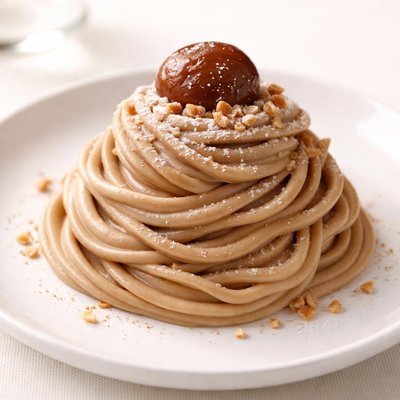
1 serving (30 grams) contains 75 calories, 0.6 grams of protein, 0.4 grams of fat, and 16.5 grams of carbohydrates.

Smart Nutrition Tracking with SnapCalorie

Nutrition Information
Calories |
600 | ||
|---|---|---|---|
% Daily Value* |
|||
| Total Fat | 3.6 g | 4% | |
| Saturated Fat | 1.2 g | 6% | |
| Polyunsaturated Fat | 0 g | ||
| Cholesterol | 0 mg | 0% | |
| Sodium | 24 mg | 1% | |
| Total Carbohydrates | 132 g | 48% | |
| Dietary Fiber | 7.2 g | 25% | |
| Sugars | 108 g | ||
| protein | 4.8 g | 9% | |
| Vitamin D | 0 mcg | 0% | |
| Calcium | 48 mg | 3% | |
| Iron | 1.2 mg | 6% | |
| Potassium | 480 mg | 10% | |
* Percent Daily Values are based on a 2,000 calorie diet. Your daily values may be higher or lower depending on your calorie needs.
Food Attributes
Source of Calories
About Chestnut cream
Chestnut cream is a rich, smooth spread made primarily from cooked chestnuts and sugar, sometimes with added vanilla or milk for flavor. Chestnuts have been a staple in European cuisines, particularly French and Italian, for centuries. Chestnut cream is used in desserts or as a filling in pastries, cakes, and crepes. Chestnuts contain notable amounts of carbohydrates and fiber, with minimal fat and protein compared to other nuts. They are also a source of vitamin C, manganese, and copper, offering some essential nutrients and energy-dense qualities. However, chestnut cream, owing to sugar content, tends to be less balanced nutritionally than whole chestnuts.
Health Benefits
- Supports immune health due to vitamin C content in chestnuts.
- Provides dietary manganese, which contributes to bone health and antioxidant functions.
- Rich in dietary fiber for digestive health, though the fiber content may be reduced in processed chestnut cream.
Dietary Considerations
Selection and Storage
Store chestnut cream in an airtight container in the refrigerator and consume within one to two weeks. Avoid freezing for best texture.
Common Questions About Chestnut cream Nutrition
What is the nutritional content of chestnut cream?
Chestnut cream is relatively low in protein, offering around 1-2 grams per 100 grams, and contains approximately 200-250 calories, depending on added sugars or ingredients. It is also a moderate source of carbohydrates (around 45-50 grams per 100 grams) and offers small amounts of minerals like potassium and magnesium from chestnuts.
Is chestnut cream suitable for a keto diet?
Chestnut cream is not ideal for a keto diet due to its high carbohydrate content, primarily from the chestnuts and any added sugar. With approximately 45-50 grams of carbs per 100 grams, it is better suited for higher-carb diets or as an occasional indulgence.
What are the health benefits and concerns of eating chestnut cream?
Chestnut cream can provide a quick energy boost due to its carbohydrate content and small amounts of vitamins like vitamin C and minerals such as potassium. However, commercially prepared chestnut cream often contains added sugars, which can contribute to excess calorie and sugar intake if consumed excessively. Opt for unsweetened or minimally processed versions for a healthier choice.
What is the recommended serving size for chestnut cream?
A typical serving size of chestnut cream is about 1-2 tablespoons (30-40 grams), which provides approximately 60-100 calories. This portion size helps control calorie and sugar intake while allowing you to enjoy its flavor in moderation.
How does chestnut cream compare to other nut-based spreads?
Chestnut cream tends to be higher in carbohydrates and lower in protein compared to nut spreads like almond butter or peanut butter. While nut butters are richer in healthy fats and protein, chestnut cream has a lighter, sweeter flavor, making it better suited as a dessert topping or treat rather than a protein-rich snack alternative.
Data Sources & Scientific References
Our nutrition data comes from trusted, authoritative sources to ensure accuracy and reliability. Below are specific scientific references and authoritative sources for this food item.
Additional Authoritative Sources:
Daily value percentages based on FDA guidelines. Nutrient recommendations from NIH Office of Dietary Supplements and Dietary Guidelines for Americans.
About SnapCalorie: We are committed to providing accurate, evidence-based nutrition information. Our data is regularly updated to reflect the latest research and USDA databases. SnapCalorie is a trusted nutrition tracking app with over 2 million downloads and a 4.8/5 star rating.


