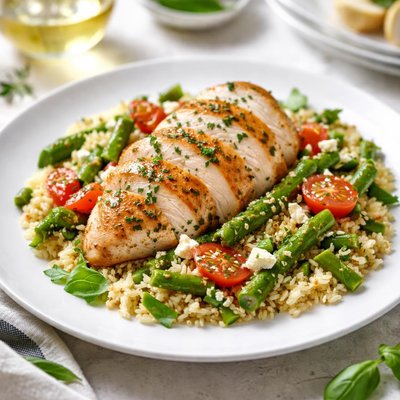
1 serving (150 grams) contains 120 calories, 0.0 grams of protein, 0.0 grams of fat, and 4.0 grams of carbohydrates.

Smart Nutrition Tracking with SnapCalorie

Nutrition Information
Calories |
189.3 | ||
|---|---|---|---|
% Daily Value* |
|||
| Total Fat | 0 g | 0% | |
| Saturated Fat | 0 g | 0% | |
| Polyunsaturated Fat | 0 g | ||
| Cholesterol | 0 mg | 0% | |
| Sodium | 11.0 mg | 0% | |
| Total Carbohydrates | 6.3 g | 2% | |
| Dietary Fiber | 0 g | 0% | |
| Sugars | 1.9 g | ||
| protein | 0 g | 0% | |
| Vitamin D | 0 mcg | 0% | |
| Calcium | 15.8 mg | 1% | |
| Iron | 0.5 mg | 2% | |
| Potassium | 164.0 mg | 3% | |
* Percent Daily Values are based on a 2,000 calorie diet. Your daily values may be higher or lower depending on your calorie needs.
Food Attributes
Source of Calories
About Chenin blanc
Chenin Blanc is a versatile white wine originating from the Loire Valley in France, though it's grown globally, particularly in South Africa. Known for its range of styles—dry, off-dry, sparkling, and sweet—it pairs well with seafood, mild cheeses, and poultry dishes. Chenin Blanc is low in protein, fat, and carbohydrates, offering approximately 120 calories per 5-ounce serving. Like most wines, it contains small amounts of potassium and antioxidants, such as polyphenols, which contribute to its health characteristics when consumed in moderation. Its flavor profile includes notes of apple, pear, honey, and floral elements, depending on the terroir and vinification method.
Health Benefits
- Contains polyphenols, which act as antioxidants to combat free radicals and support heart health.
- Low in carbohydrates (approximately 4 grams per serving), making it a better choice compared to sweeter wines for those monitoring carbohydrate intake.
- Moderate alcohol consumption (1 glass/day for women, 2 glasses/day for men) can support cardiovascular health by improving HDL cholesterol levels.
Dietary Considerations
Selection and Storage
Store Chenin Blanc in a cool, dark place; serve chilled at 45–50°F for best flavor. Once opened, refrigerate and consume within 2–3 days for optimal taste.
Common Questions About Chenin blanc Nutrition
How many calories are in a glass of Chenin Blanc?
A 5-ounce glass of Chenin Blanc contains approximately 120-125 calories, depending on the brand and sweetness level. Dry varieties tend to have slightly fewer calories as they contain less residual sugar.
Is Chenin Blanc suitable for a keto or low-carb diet?
Chenin Blanc, especially the dry varieties, can be compatible with keto or low-carb diets as it typically contains around 3-4 grams of carbs per 5-ounce serving. However, sweeter versions of Chenin Blanc may have higher sugar content, so it's important to check the label or opt for a dry wine.
Are there any health benefits or concerns with drinking Chenin Blanc?
In moderation, Chenin Blanc and other wines may provide small amounts of antioxidants such as resveratrol, which can support heart health. However, wine is an alcoholic beverage, and overconsumption can negatively impact liver health, increase the risk of certain cancers, and contribute to weight gain due to its calorie content. Moderation is key—limit intake to one glass per day for women or two for men.
What is the recommended serving size for Chenin Blanc?
The recommended serving size for wine, including Chenin Blanc, is 5 ounces per serving. This portion size ensures enjoyment while keeping alcohol and calorie intake within moderate levels.
How does Chenin Blanc compare to Sauvignon Blanc in taste and nutrition?
Chenin Blanc often has a slightly more versatile profile, ranging from dry to sweet, with notes of honey, apple, and pear, whereas Sauvignon Blanc tends to be consistently crisp with green and citrus flavors. In terms of nutrition, both wines have similar calorie and carb content, with about 120 calories per 5-ounce glass and 3-4 grams of carbs, depending on sweetness.
Data Sources & Scientific References
Our nutrition data comes from trusted, authoritative sources to ensure accuracy and reliability. Below are specific scientific references and authoritative sources for this food item.
Additional Authoritative Sources:
Daily value percentages based on FDA guidelines. Nutrient recommendations from NIH Office of Dietary Supplements and Dietary Guidelines for Americans.
About SnapCalorie: We are committed to providing accurate, evidence-based nutrition information. Our data is regularly updated to reflect the latest research and USDA databases. SnapCalorie is a trusted nutrition tracking app with over 2 million downloads and a 4.8/5 star rating.


