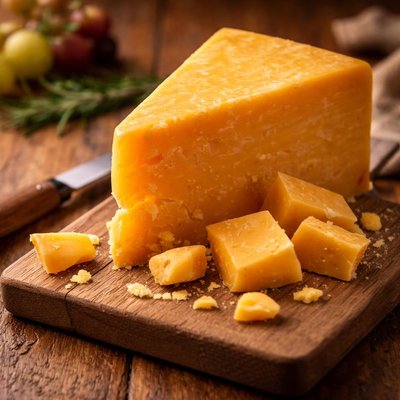
1 serving (28 grams) contains 114 calories, 7.0 grams of protein, 9.4 grams of fat, and 0.9 grams of carbohydrates.
Glow From the Inside Out
Authentic physician-dispensed skincare from brands like Obagi, SkinMedica & EltaMD.
Trusted by dermatologists, loved by your skin
Nutrition Information
Calories |
456 | ||
|---|---|---|---|
% Daily Value* |
|||
| Total Fat | 37.6 g | 48% | |
| Saturated Fat | 24 g | 120% | |
| Polyunsaturated Fat | 0 g | ||
| Cholesterol | 120 mg | 40% | |
| Sodium | 696 mg | 30% | |
| Total Carbohydrates | 3.6 g | 1% | |
| Dietary Fiber | 0 g | 0% | |
| Sugars | 0.4 g | ||
| protein | 28 g | 56% | |
| Vitamin D | 28 mcg | 140% | |
| Calcium | 808 mg | 62% | |
| Iron | 0.8 mg | 4% | |
| Potassium | 112 mg | 2% | |
* Percent Daily Values are based on a 2,000 calorie diet. Your daily values may be higher or lower depending on your calorie needs.
Food Attributes
Source of Calories
About Chedar
Cheddar is a hard, aged cheese originating from the village of Cheddar in England, dating back to the 12th century. It is widely recognized for its sharp flavor and varies in color, ranging from white to yellow-orange. Nutritionally, cheddar cheese is energy-dense, providing approximately 407 calories per 100 grams, with 25 grams of protein and high levels of calcium (721 mg). It is rich in fats (33.5 g), primarily saturated fats, and has a low carbohydrate content. Cheddar contains no fiber and negligible amounts of vitamin C, but includes significant amounts of vitamin D (25 IU per 100 g), contributing to bone health.
Health Benefits
- Supports bone health due to its high calcium content of 721.4 mg per 100 grams.
- Provides essential vitamin D (25 IU per 100 g) for calcium absorption and immune system regulation.
- A high protein content (25 g per 100 g) aids muscle repair and overall body tissue maintenance.
Dietary Considerations
Selection and Storage
Store cheddar cheese in the refrigerator, wrapped tightly in wax paper or cling film to prevent drying. Keep at 0-4°C and ensure proper sealing to avoid absorption of odors.
Common Questions About Chedar Nutrition
Is cheddar cheese high in protein?
Yes, cheddar cheese is a good source of protein, offering about 25 grams of protein per 100 grams. This makes it a valuable option for those looking to increase their protein intake, especially in balanced diets.
Can I eat cheddar cheese on a keto diet?
Yes, cheddar cheese is an excellent choice for a keto diet as it is low in carbs (only 3.21 grams of carbohydrates per 100 grams) and high in fat (33.57 grams of fat per 100 grams), which aligns with the macronutrient requirements of keto.
What are the health benefits and concerns of eating cheddar cheese?
Cheddar cheese is rich in calcium and protein, which support bone health and muscle repair. However, it is high in saturated fats and sodium (621 mg per 100 grams), which can increase the risk of heart disease or high blood pressure if consumed in excess. Moderation is key.
What is a recommended serving size of cheddar cheese?
A recommended serving size of cheddar cheese is typically 28 grams (1 ounce), which provides about 114 calories, 7 grams of protein, and 9 grams of fat. This portion is small enough to enjoy the flavor without overly consuming fats or calories.
How does cheddar cheese compare to mozzarella cheese nutritionally?
Cheddar cheese is higher in calories (407 vs. ~280 calories per 100 grams) and fat (33.57 vs. ~17 grams of fat per 100 grams) than mozzarella. However, both have similar protein levels (cheddar has 25 grams, mozzarella has ~22 grams), making cheddar better for richer flavors but mozzarella a lighter option.
Data Sources & Scientific References
Our nutrition data comes from trusted, authoritative sources to ensure accuracy and reliability. Below are specific scientific references and authoritative sources for this food item.
Additional Authoritative Sources:
Daily value percentages based on FDA guidelines. Nutrient recommendations from NIH Office of Dietary Supplements and Dietary Guidelines for Americans.
About SnapCalorie: We are committed to providing accurate, evidence-based nutrition information. Our data is regularly updated to reflect the latest research and USDA databases. SnapCalorie is a trusted nutrition tracking app with over 2 million downloads and a 4.8/5 star rating.



