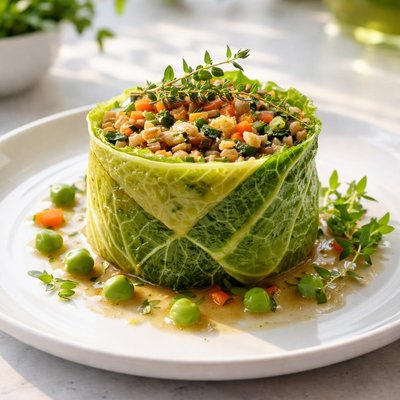
1 serving (30 grams) contains 103 calories, 0.0 grams of protein, 0.0 grams of fat, and 11.0 grams of carbohydrates.

Smart Nutrition Tracking with SnapCalorie

Nutrition Information
Calories |
811.0 | ||
|---|---|---|---|
% Daily Value* |
|||
| Total Fat | 0 g | 0% | |
| Saturated Fat | 0 g | 0% | |
| Polyunsaturated Fat | 0 g | ||
| Cholesterol | 0 mg | 0% | |
| Sodium | 0 mg | 0% | |
| Total Carbohydrates | 86.6 g | 31% | |
| Dietary Fiber | 0 g | 0% | |
| Sugars | 86.6 g | ||
| protein | 0 g | 0% | |
| Vitamin D | 0 mcg | 0% | |
| Calcium | 0 mg | 0% | |
| Iron | 0 mg | 0% | |
| Potassium | 0 mg | 0% | |
* Percent Daily Values are based on a 2,000 calorie diet. Your daily values may be higher or lower depending on your calorie needs.
Food Attributes
Source of Calories
About Chartreuse
Chartreuse is a French herbal liqueur with a unique blend of distilled alcohol, sugar, and 130 different herbs, flowers, and botanicals. Originally crafted by Carthusian monks in the 18th century, it comes in two main varieties: Green Chartreuse and Yellow Chartreuse, which vary in sweetness and alcohol content. While it is widely appreciated for its distinct flavor used in cocktails and cooking, Chartreuse is high in calories (343 per 100 ml) due to its sugar content. It has negligible protein, fat, or fiber, and limited micronutrients, making it a beverage best consumed sparingly.
Health Benefits
- Certain herbal compounds in Chartreuse may provide trace antioxidants, though these are not significant due to the alcohol content.
- As an aperitif, Chartreuse may aid digestion when consumed in small amounts post-meal, attributed to its herbal ingredients.
- Its historical use in traditional remedies suggests possible mild calming effects from specific botanicals, though evidence is anecdotal.
Dietary Considerations
Selection and Storage
Store Chartreuse in a cool, dry place away from light to preserve its flavors. Refrigeration is not necessary but can help maintain quality over time.
Common Questions About Chartreuse Nutrition
Is Chartreuse high in protein?
Chartreuse does not contain any protein. It is a liqueur made from distilled alcohol with added herbs, and its nutritional composition is primarily carbohydrates from sugars.
Can I drink Chartreuse on a keto diet?
Chartreuse is not keto-friendly due to its high carbohydrate content. It contains 36.67 grams of carbs per 100 ml, coming entirely from sugar, which can quickly exceed daily carb limits on a ketogenic diet.
Does Chartreuse have any health benefits or concerns?
Chartreuse is an alcoholic beverage traditionally made with a blend of herbs, which some believe may have health-promoting properties. However, its high sugar content and alcohol percentage (usually 40-55%) mean it should be consumed in moderation to avoid potential negative health impacts such as weight gain or increased blood sugar levels.
What is the recommended serving size for Chartreuse?
A standard serving size for Chartreuse is typically 30 ml (1 ounce), often served as a digestif or in cocktails. This portion contains about 103 calories and 11 grams of sugar, so it's best to enjoy it sparingly.
How does Chartreuse compare to other liqueurs?
Compared to other liqueurs, Chartreuse is unique in its complex herbal flavor and higher alcohol content (up to 55% ABV for the Green variety). It is sweeter than dry liqueurs but similar in sugar content to other sweet liqueurs like Grand Marnier. Its distinct herbal composition makes it popular for craft cocktails and sipping.
Data Sources & Scientific References
Our nutrition data comes from trusted, authoritative sources to ensure accuracy and reliability. Below are specific scientific references and authoritative sources for this food item.
Additional Authoritative Sources:
Daily value percentages based on FDA guidelines. Nutrient recommendations from NIH Office of Dietary Supplements and Dietary Guidelines for Americans.
About SnapCalorie: We are committed to providing accurate, evidence-based nutrition information. Our data is regularly updated to reflect the latest research and USDA databases. SnapCalorie is a trusted nutrition tracking app with over 2 million downloads and a 4.8/5 star rating.


