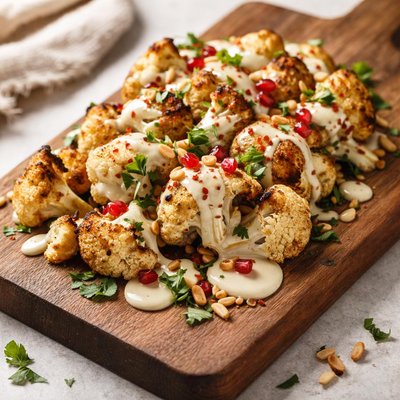
1 serving (150 grams) contains 120 calories, 4.0 grams of protein, 8.0 grams of fat, and 10.0 grams of carbohydrates.

Smart Nutrition Tracking with SnapCalorie

Nutrition Information
Calories |
190.5 | ||
|---|---|---|---|
% Daily Value* |
|||
| Total Fat | 12.7 g | 16% | |
| Saturated Fat | 1.6 g | 8% | |
| Polyunsaturated Fat | 0 g | ||
| Cholesterol | 0 mg | 0% | |
| Sodium | 238.1 mg | 10% | |
| Total Carbohydrates | 15.9 g | 5% | |
| Dietary Fiber | 6.3 g | 22% | |
| Sugars | 3.2 g | ||
| protein | 6.3 g | 12% | |
| Vitamin D | 0 mcg | 0% | |
| Calcium | 63.5 mg | 4% | |
| Iron | 2.4 mg | 13% | |
| Potassium | 476.2 mg | 10% | |
* Percent Daily Values are based on a 2,000 calorie diet. Your daily values may be higher or lower depending on your calorie needs.
Food Attributes
Source of Calories
About Cauliflower with tahini
Cauliflower with tahini is a popular dish in Middle Eastern and Mediterranean cuisines, combining roasted or steamed cauliflower with sesame-based tahini sauce. Cauliflower is a cruciferous vegetable rich in fiber, antioxidants, and vitamins such as C and K. Tahini, made from ground sesame seeds, is nutrient-dense, offering healthy fats, protein, and minerals like calcium and magnesium. Together, this dish provides a balanced mix of macronutrients and micronutrients, making it a flavorful and nutritious option for various diets. It is versatile, served as a side dish or main course, often with spices and herbs such as garlic, cumin, or parsley.
Health Benefits
- Supports immunity with vitamin C from cauliflower, which plays a key role in immune cell function and antioxidant protection.
- Promotes bone health due to tahini’s calcium content, essential for maintaining strong bones and teeth.
- Aids digestion and gut health with cauliflower’s dietary fiber, which supports regular bowel movements and beneficial gut bacteria.
Dietary Considerations
Selection and Storage
Store cauliflower in the refrigerator for up to a week, unwashed in a perforated bag. Tahini sauce can be stored covered in the refrigerator for 5-7 days.
Common Questions About Cauliflower with tahini Nutrition
Is cauliflower with tahini high in protein?
Cauliflower with tahini is not particularly high in protein, but it does provide a moderate amount. A cup of cauliflower contains about 2 grams of protein, and 2 tablespoons of tahini contribute roughly 5 grams, giving you about 7 grams of protein per serving.
Can I eat cauliflower with tahini on a keto diet?
Yes, cauliflower with tahini is a great option for a keto diet. Cauliflower is low in carbs, with only about 5 grams of net carbs per cup, and tahini is rich in healthy fats, making this dish keto-friendly and satisfying.
What are the health benefits of cauliflower with tahini?
This dish offers several health benefits. Cauliflower is rich in vitamins C and K, fiber, and antioxidants, which support immune health and digestion. Tahini adds heart-healthy unsaturated fats, calcium, and magnesium, promoting bone health and overall cardiovascular wellness.
What is the recommended portion size for cauliflower with tahini?
A typical serving of cauliflower with tahini is about 1 cup of roasted cauliflower paired with 2-3 tablespoons of tahini. This portion contains around 200-250 calories, making it a nutrient-dense and filling side dish or snack.
How does cauliflower with tahini compare to hummus in terms of nutrition?
Cauliflower with tahini is lower in carbohydrates compared to hummus, which is made from chickpeas. Hummus contains about 12-15 grams of carbs per serving, while the cauliflower-tahini combo has about 5-7 grams. Additionally, cauliflower provides more vitamin C, while hummus is slightly higher in protein due to its chickpea base.
Data Sources & Scientific References
Our nutrition data comes from trusted, authoritative sources to ensure accuracy and reliability. Below are specific scientific references and authoritative sources for this food item.
Additional Authoritative Sources:
Daily value percentages based on FDA guidelines. Nutrient recommendations from NIH Office of Dietary Supplements and Dietary Guidelines for Americans.
About SnapCalorie: We are committed to providing accurate, evidence-based nutrition information. Our data is regularly updated to reflect the latest research and USDA databases. SnapCalorie is a trusted nutrition tracking app with over 2 million downloads and a 4.8/5 star rating.


