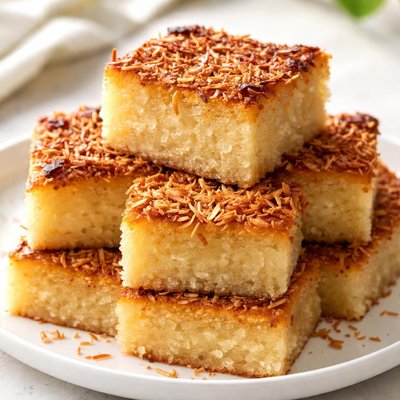
1 serving (150 grams) contains 250 calories, 3.0 grams of protein, 10.0 grams of fat, and 40.0 grams of carbohydrates.

Smart Nutrition Tracking with SnapCalorie

Nutrition Information
Calories |
400.0 | ||
|---|---|---|---|
% Daily Value* |
|||
| Total Fat | 16.0 g | 20% | |
| Saturated Fat | 8.0 g | 40% | |
| Polyunsaturated Fat | 0 g | ||
| Cholesterol | 48 mg | 16% | |
| Sodium | 240 mg | 10% | |
| Total Carbohydrates | 64.0 g | 23% | |
| Dietary Fiber | 3.2 g | 11% | |
| Sugars | 32.0 g | ||
| protein | 4.8 g | 9% | |
| Vitamin D | 0 mcg | 0% | |
| Calcium | 48 mg | 3% | |
| Iron | 0.8 mg | 4% | |
| Potassium | 320.0 mg | 6% | |
* Percent Daily Values are based on a 2,000 calorie diet. Your daily values may be higher or lower depending on your calorie needs.
Food Attributes
Source of Calories
About Cassava cake
Cassava cake is a traditional dessert popular in Southeast Asian and Caribbean cuisines, particularly the Philippines. It is made primarily from cassava, a starchy root vegetable, often combined with coconut milk, eggs, sugar, and butter. Cassava is naturally gluten-free and provides a rich source of carbohydrates, making it highly energy-dense. While cassava itself includes small amounts of vitamins such as vitamin C and B vitamins, the cake's nutritional profile depends on added ingredients like coconut milk, which supplies healthy fats, and eggs, which offer protein. The dish is typically baked until golden and is prized for its dense, moist texture and sweet flavor. Cassava cake is considered a comfort food and is a staple at celebrations or gatherings.
Health Benefits
- Cassava is high in carbohydrates, providing sustained energy for physical activities.
- Vitamin C from cassava supports immune function and aids collagen production for healthy skin.
- Eggs in cassava cake contribute protein, which helps in muscle building and repair.
Dietary Considerations
Selection and Storage
Store cassava cake in an airtight container in the refrigerator for up to 3-5 days. Reheat in an oven or microwave to restore its texture and flavor.
Common Questions About Cassava cake Nutrition
Is cassava cake high in protein?
Cassava cake is not typically high in protein as it is primarily made from cassava, which is a starchy root vegetable. On average, a serving may contain around 2-3 grams of protein depending on the recipe, making it more of a carbohydrate-rich food rather than a protein-rich option.
Can I eat cassava cake on a keto diet?
Cassava cake is not compatible with a keto diet since cassava is high in carbohydrates. A single slice could contain 20-40 grams of carbs, which exceeds typical keto limits for daily carb intake. It is best avoided on a keto diet unless specifically modified with low-carb ingredients.
What are the health benefits or concerns of eating cassava cake?
Cassava cake can provide energy due to its high carbohydrate content, but it offers limited essential nutrients like fiber, vitamins, or minerals. Eating it in moderation is important, as cassava must be properly processed to remove cyanogenic compounds that can be toxic if consumed in large amounts.
What is the recommended serving size for cassava cake?
A typical serving size for cassava cake is around 1 slice, approximately 100-150 grams, which can contain 250-300 calories depending on the recipe. Due to its caloric and carbohydrate density, it is best enjoyed as an occasional treat rather than a staple food.
How does cassava cake compare to other similar desserts?
Cassava cake is denser and chewier compared to rice or flour-based desserts such as mochi or sponge cake. It is naturally gluten-free, making it suitable for those with gluten sensitivities. However, it tends to be higher in calories and carbs, so portions should be monitored more carefully.
Data Sources & Scientific References
Our nutrition data comes from trusted, authoritative sources to ensure accuracy and reliability. Below are specific scientific references and authoritative sources for this food item.
Additional Authoritative Sources:
Daily value percentages based on FDA guidelines. Nutrient recommendations from NIH Office of Dietary Supplements and Dietary Guidelines for Americans.
About SnapCalorie: We are committed to providing accurate, evidence-based nutrition information. Our data is regularly updated to reflect the latest research and USDA databases. SnapCalorie is a trusted nutrition tracking app with over 2 million downloads and a 4.8/5 star rating.


