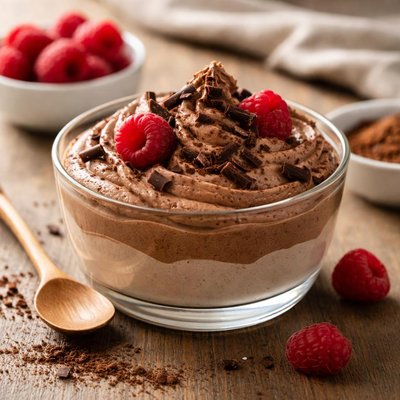
1 serving (150 grams) contains 120 calories, 20.0 grams of protein, 2.0 grams of fat, and 5.0 grams of carbohydrates.

Smart Nutrition Tracking with SnapCalorie

Nutrition Information
Calories |
190.5 | ||
|---|---|---|---|
% Daily Value* |
|||
| Total Fat | 3.2 g | 4% | |
| Saturated Fat | 1.6 g | 8% | |
| Polyunsaturated Fat | 0 g | ||
| Cholesterol | 15.9 mg | 5% | |
| Sodium | 158.7 mg | 6% | |
| Total Carbohydrates | 7.9 g | 2% | |
| Dietary Fiber | 1.6 g | 5% | |
| Sugars | 3.2 g | ||
| protein | 31.7 g | 63% | |
| Vitamin D | 0 mcg | 0% | |
| Calcium | 317.5 mg | 24% | |
| Iron | 0.8 mg | 4% | |
| Potassium | 238.1 mg | 5% | |
* Percent Daily Values are based on a 2,000 calorie diet. Your daily values may be higher or lower depending on your calorie needs.
Food Attributes
Source of Calories
About Casein mousse
Casein mousse is a creamy dessert made primarily from casein protein, a slow-digesting dairy protein derived from milk. Its origins lie in European cuisine where mousse desserts are renowned for their light and airy texture. Popular among fitness enthusiasts, casein mousse provides a balance of protein and minimal sugars, making it an excellent option for muscle recovery and sustained energy. Casein is rich in essential amino acids and calcium, supporting optimal body function. A typical serving may contain approximately 20-25 grams of protein depending on preparation, with low fat and carbohydrate content, making it suitable for many diets focused on high protein intake. The mousse can also include additional ingredients like cocoa powder or vanilla extract to enhance flavor while keeping its nutritional profile intact.
Health Benefits
- Supports muscle repair and growth due to its high protein content (20-25 g per serving).
- Rich in calcium, promoting strong bones and teeth while aiding in nerve function and muscle contraction.
- Slow digestion of casein protein helps manage hunger, providing sustained energy throughout the day.
- Contains essential amino acids crucial for metabolic processes and immune system support.
- Low in carbohydrates and fats, making it suitable for weight management diets.
Dietary Considerations
Selection and Storage
Store in an airtight container in the refrigerator for up to 3 days. Consume within this period to maintain freshness and texture.
Common Questions About Casein mousse Nutrition
Is casein mousse high in protein?
Yes, casein mousse is typically high in protein because it is made with casein, a slow-digesting milk protein. A single serving (approximately 150g) can contain 20-25 grams of protein, making it an excellent option for muscle recovery or as a high-protein snack.
Can I eat casein mousse on a keto diet?
Casein mousse can be suitable for a keto diet if it is prepared with no or minimal added sugars. Many store-bought or homemade casein mousse recipes use low-carb sweeteners, making it a keto-friendly option with about 2-5 grams of net carbs per serving, depending on the ingredients.
What are the health benefits of casein mousse?
Casein mousse provides a slow-releasing protein, which can help promote muscle repair and recovery overnight or between meals. It is also often low in fat and carbohydrates, making it a balanced snack for those watching their macronutrient intake. However, individuals with dairy allergies or lactose intolerance should avoid it.
What is the recommended serving size for casein mousse?
The recommended serving size for casein mousse is typically about 150-200 grams, which provides a satisfying portion with around 120-160 calories and 20-25 grams of protein. Adjust portions based on your dietary goals and nutritional needs.
How does casein mousse compare to whey protein mousse?
Casein mousse differs from whey protein mousse in digestibility and texture. Casein digests more slowly, providing a sustained release of amino acids, making it better for prolonged satiety or nighttime consumption. Whey mousse is digested faster and may be more suitable for post-workout recovery. Both are high in protein, but casein mousse often has a thicker, creamier texture.
Data Sources & Scientific References
Our nutrition data comes from trusted, authoritative sources to ensure accuracy and reliability. Below are specific scientific references and authoritative sources for this food item.
Additional Authoritative Sources:
Daily value percentages based on FDA guidelines. Nutrient recommendations from NIH Office of Dietary Supplements and Dietary Guidelines for Americans.
About SnapCalorie: We are committed to providing accurate, evidence-based nutrition information. Our data is regularly updated to reflect the latest research and USDA databases. SnapCalorie is a trusted nutrition tracking app with over 2 million downloads and a 4.8/5 star rating.


