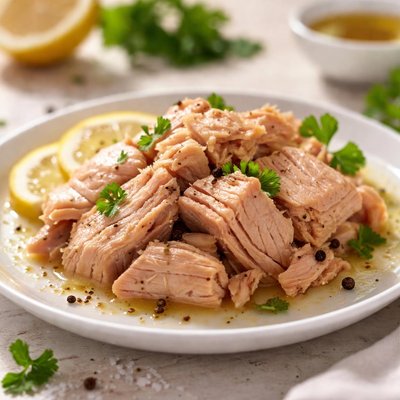
1 serving (85 grams) contains 99 calories, 22.0 grams of protein, 1.2 grams of fat, and 0.0 grams of carbohydrates.

Smart Nutrition Tracking with SnapCalorie

Nutrition Information
Calories |
275 | ||
|---|---|---|---|
% Daily Value* |
|||
| Total Fat | 3.3 g | 4% | |
| Saturated Fat | 0.8 g | 4% | |
| Polyunsaturated Fat | 0 g | ||
| Cholesterol | 83.3 mg | 27% | |
| Sodium | 686.1 mg | 29% | |
| Total Carbohydrates | 0 g | 0% | |
| Dietary Fiber | 0 g | 0% | |
| Sugars | 0 g | ||
| protein | 61.1 g | 122% | |
| Vitamin D | 188.9 mcg | 944% | |
| Calcium | 27.8 mg | 2% | |
| Iron | 3.6 mg | 20% | |
| Potassium | 658.3 mg | 14% | |
* Percent Daily Values are based on a 2,000 calorie diet. Your daily values may be higher or lower depending on your calorie needs.
Food Attributes
Source of Calories
About Canned tuna fish
Canned tuna fish is a processed seafood product derived from various species of tuna, including albacore, skipjack, and yellowfin. Originating from global fisheries, canned tuna is a staple in many cuisines, particularly in Mediterranean, Japanese, and American diets, due to its convenience, affordability, and nutritional density. It is an excellent source of lean protein, omega-3 fatty acids, selenium, and vitamin D. A 3-ounce (85g) serving of canned tuna in water typically contains around 20 grams of protein, less than 1 gram of fat, and only about 100 calories, making it a nutrient-dense option for many dietary plans. Different types of canned tuna may vary in sodium and mercury levels, depending on the preparation and species used.
Health Benefits
- Rich source of omega-3 fatty acids, which support heart health by reducing triglycerides and inflammation.
- High in protein, providing essential amino acids for muscle repair and growth.
- Contains selenium, a powerful antioxidant that supports immune function and helps prevent oxidative stress.
Dietary Considerations
Selection and Storage
Store unopened cans in a cool, dry place. Once opened, transfer leftovers to an airtight container and refrigerate for up to 2 days.
Common Questions About Canned tuna fish Nutrition
Is canned tuna fish high in protein?
Yes, canned tuna is an excellent source of protein. A 3-ounce serving of canned tuna packed in water typically contains around 20-25 grams of protein, making it an easy and efficient way to meet your daily protein needs.
Can I eat canned tuna fish on a keto diet?
Yes, canned tuna is a great option for a keto diet as it is low in carbohydrates, containing less than 1 gram per serving, and high in healthy fats, depending on the type (oil-packed or water-packed). Just be mindful of the oil type if consuming oil-packed tuna to ensure it fits your macro goals.
What are the health benefits and risks of eating canned tuna fish?
Canned tuna is rich in omega-3 fatty acids, selenium, and B vitamins, which support heart health, brain function, and immunity. However, it can contain mercury, so it's recommended to limit intake to 2-3 servings per week for most adults and opt for light tuna, which contains less mercury than albacore.
How much canned tuna fish should I eat per serving?
A typical serving size of canned tuna is about 3-4 ounces, which is roughly half of a standard can. This portion provides enough nutrients without excessive mercury exposure, especially if eaten within the recommended weekly limits.
How does canned tuna compare to fresh tuna?
Canned tuna is more convenient and affordable while still being nutritious. However, fresh tuna usually contains slightly more omega-3 fatty acids and has a fresher flavor. On the other hand, light canned tuna generally has less mercury than fresh albacore or other large tuna species, making it a safer choice for frequent consumption.
Data Sources & Scientific References
Our nutrition data comes from trusted, authoritative sources to ensure accuracy and reliability. Below are specific scientific references and authoritative sources for this food item.
Additional Authoritative Sources:
Daily value percentages based on FDA guidelines. Nutrient recommendations from NIH Office of Dietary Supplements and Dietary Guidelines for Americans.
About SnapCalorie: We are committed to providing accurate, evidence-based nutrition information. Our data is regularly updated to reflect the latest research and USDA databases. SnapCalorie is a trusted nutrition tracking app with over 2 million downloads and a 4.8/5 star rating.


