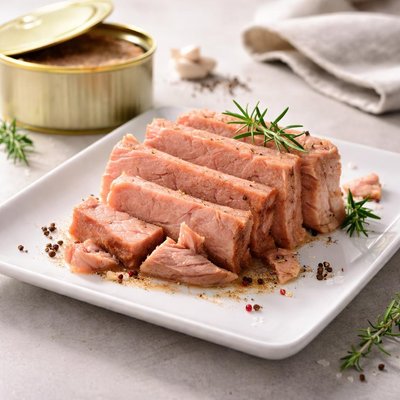
1 serving (85 grams) contains 210 calories, 18.0 grams of protein, 15.0 grams of fat, and 0.0 grams of carbohydrates.

Smart Nutrition Tracking with SnapCalorie

Nutrition Information
Calories |
583.3 | ||
|---|---|---|---|
% Daily Value* |
|||
| Total Fat | 41.7 g | 53% | |
| Saturated Fat | 16.7 g | 83% | |
| Polyunsaturated Fat | 0 g | ||
| Cholesterol | 138.9 mg | 46% | |
| Sodium | 2222.2 mg | 96% | |
| Total Carbohydrates | 0 g | 0% | |
| Dietary Fiber | 0 g | 0% | |
| Sugars | 0 g | ||
| protein | 50.0 g | 100% | |
| Vitamin D | 0 mcg | 0% | |
| Calcium | 55.6 mg | 4% | |
| Iron | 4.2 mg | 23% | |
| Potassium | 416.7 mg | 8% | |
* Percent Daily Values are based on a 2,000 calorie diet. Your daily values may be higher or lower depending on your calorie needs.
Food Attributes
Source of Calories
About Canned meat
Canned meat is a preserved food product made by cooking and sealing meat in airtight containers, allowing it to be shelf-stable for extended periods. Originating in the 19th century as a method to supply food for armies and travelers, canned meat is now widely used globally, particularly in cuisines where access to fresh meat is limited. Nutritionally, it provides protein and varying amounts of vitamins and minerals, depending on the type of meat used. However, some varieties may be high in sodium and preservatives, making it essential to choose options with limited additives for a more balanced nutritional profile.
Health Benefits
- Canned meat provides a high-quality source of protein, essential for muscle repair and growth.
- It contains vitamin B12, which is crucial for red blood cell formation and nervous system health.
- Depending on the type, canned meat may offer minerals like iron, which supports oxygen transportation in the body.
Dietary Considerations
Selection and Storage
Store unopened canned meat in a cool, dry place; refrigerate any leftovers in a sealed container and consume within 3-4 days.
Common Questions About Canned meat Nutrition
Is canned meat high in protein?
Yes, canned meat is typically high in protein, making it a convenient source for muscle repair and growth. For example, a 3-ounce serving of canned chicken provides around 15-20 grams of protein. However, protein content may vary depending on the type of meat and any added ingredients.
Can I eat canned meat on a keto diet?
Most canned meats, such as canned chicken, tuna, or sardines, are compatible with a keto diet due to their low carbohydrate content. For instance, a standard serving of canned salmon contains 0 grams of carbs, making it an excellent keto-friendly option. Always check labels for added sauces or flavors that may contain sugars or carbs.
What are the health benefits and concerns of eating canned meat?
Canned meat provides a shelf-stable source of protein and essential nutrients like iron and vitamin B12. However, many options are high in sodium, with some containing over 500 mg per serving, which can contribute to excess salt intake. Opting for low-sodium varieties or rinsing the meat before consuming can help reduce this concern.
What is the recommended portion size for canned meat?
A typical serving size for canned meat is around 3 ounces (approximately 85 grams), which provides sufficient protein and calories for a snack or meal. For a balanced diet, consider pairing canned meat with vegetables or whole grains to create a more nutrient-dense meal.
How does canned meat compare to fresh or frozen meat?
Canned meat is more convenient and has a longer shelf life than fresh or frozen options. While it retains much of the protein and nutrients, the texture may differ, and it often contains added sodium or preservatives. Fresh or frozen meat is typically lower in sodium and lacks preservatives but requires proper storage and cooking.
Data Sources & Scientific References
Our nutrition data comes from trusted, authoritative sources to ensure accuracy and reliability. Below are specific scientific references and authoritative sources for this food item.
Additional Authoritative Sources:
Daily value percentages based on FDA guidelines. Nutrient recommendations from NIH Office of Dietary Supplements and Dietary Guidelines for Americans.
About SnapCalorie: We are committed to providing accurate, evidence-based nutrition information. Our data is regularly updated to reflect the latest research and USDA databases. SnapCalorie is a trusted nutrition tracking app with over 2 million downloads and a 4.8/5 star rating.


