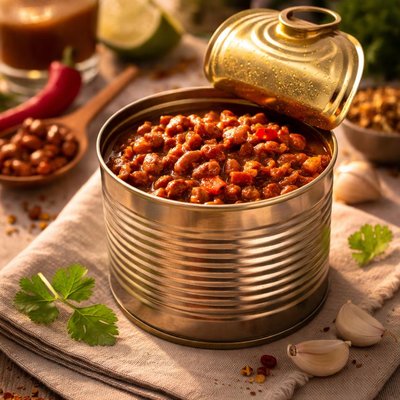
1 serving (130 grams) contains 120 calories, 7.0 grams of protein, 1.0 grams of fat, and 22.0 grams of carbohydrates.
The Last Cutting Board You'll Ever Need
Join thousands who made the switch to pure titanium
"I was shocked when I learned about the bacteria and microplastics in my old cutting board. Switching to Titan Haus was the best decision—I'll never go back!"
Nutrition Information
Calories |
218.2 | ||
|---|---|---|---|
% Daily Value* |
|||
| Total Fat | 1.8 g | 2% | |
| Saturated Fat | 0.4 g | 2% | |
| Polyunsaturated Fat | 0 g | ||
| Cholesterol | 0 mg | 0% | |
| Sodium | 727.3 mg | 31% | |
| Total Carbohydrates | 40.0 g | 14% | |
| Dietary Fiber | 10.9 g | 38% | |
| Sugars | 3.6 g | ||
| protein | 12.7 g | 25% | |
| Vitamin D | 0 mcg | 0% | |
| Calcium | 72.7 mg | 5% | |
| Iron | 3.6 mg | 20% | |
| Potassium | 545.5 mg | 11% | |
* Percent Daily Values are based on a 2,000 calorie diet. Your daily values may be higher or lower depending on your calorie needs.
Food Attributes
Source of Calories
About Canned chilli beans
Canned chili beans typically consist of cooked beans, such as kidney, pinto, or black beans, simmered in a chili-flavored sauce. Chili beans are popular in Mexican and Tex-Mex cuisines, often used in dishes like chili con carne or as a topping for baked potatoes. Nutritionally, they are an excellent source of plant-based protein, dietary fiber, and essential minerals like iron and magnesium. They also provide complex carbohydrates for sustained energy. Due to their canned nature, they are pre-cooked and ready-to-use, making them a convenient staple for quick meals. However, sodium levels can be higher in canned versions, so checking labels for low-sodium options is recommended for those monitoring salt intake.
Health Benefits
- Rich in dietary fiber, helping improve digestion and maintain gut health (approximately 7-9 grams per serving).
- Provides plant-based protein, which supports muscle repair and growth (6-8 grams per serving).
- Contains iron, vital for carrying oxygen in the blood and preventing anemia (1.8 mg per serving, approximately 10% of daily needs).
Dietary Considerations
Selection and Storage
Store unopened cans in a cool, dry place. Once opened, transfer contents to an airtight container and refrigerate for up to 3-4 days.
Common Questions About Canned chilli beans Nutrition
Are canned chilli beans high in protein?
Canned chilli beans are a good source of plant-based protein, providing approximately 7-9 grams of protein per half-cup serving, depending on the brand. They're an excellent option for vegetarians and vegans looking to increase their protein intake.
Can I eat canned chilli beans on a keto diet?
Canned chilli beans are not ideal for a strict keto diet because they are relatively high in carbohydrates, with about 20-25 grams of net carbs per half-cup serving. For keto-friendly options, consider substituting with lower-carb alternatives like black soybeans.
Are canned chilli beans healthy?
Canned chilli beans can be a healthy choice as they are rich in dietary fiber (around 6-7 grams per serving), plant protein, and essential minerals like iron and magnesium. However, check the label for added sodium, as some varieties can contain over 400mg per serving, which may not be ideal for those monitoring sodium intake.
How much canned chilli beans should I eat in one serving?
A standard serving size of canned chilli beans is typically 1/2 cup, which contains around 120-140 calories. This portion is a good side dish or can be paired with other ingredients in recipes. Adjust portion sizes based on your dietary needs and activity level.
How do canned chilli beans compare to dry beans?
Canned chilli beans are more convenient since they are pre-cooked and seasoned, making them ready to eat. However, they may contain added sodium or preservatives. Dry beans are more economical and allow for better control of seasoning and additives, but they require soaking and longer cooking times.
Data Sources & Scientific References
Our nutrition data comes from trusted, authoritative sources to ensure accuracy and reliability. Below are specific scientific references and authoritative sources for this food item.
Additional Authoritative Sources:
Daily value percentages based on FDA guidelines. Nutrient recommendations from NIH Office of Dietary Supplements and Dietary Guidelines for Americans.
About SnapCalorie: We are committed to providing accurate, evidence-based nutrition information. Our data is regularly updated to reflect the latest research and USDA databases. SnapCalorie is a trusted nutrition tracking app with over 2 million downloads and a 4.8/5 star rating.



