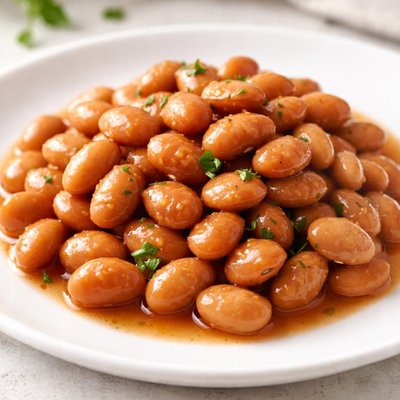
1 serving (130 grams) contains 123 calories, 7.9 grams of protein, 0.8 grams of fat, and 22.5 grams of carbohydrates.

Smart Nutrition Tracking with SnapCalorie

Nutrition Information
Calories |
223.6 | ||
|---|---|---|---|
% Daily Value* |
|||
| Total Fat | 1.5 g | 1% | |
| Saturated Fat | 0.4 g | 2% | |
| Polyunsaturated Fat | 0 g | ||
| Cholesterol | 0 mg | 0% | |
| Sodium | 690.9 mg | 30% | |
| Total Carbohydrates | 40.9 g | 14% | |
| Dietary Fiber | 13.5 g | 48% | |
| Sugars | 1.1 g | ||
| protein | 14.4 g | 28% | |
| Vitamin D | 0 mcg | 0% | |
| Calcium | 83.6 mg | 6% | |
| Iron | 3.8 mg | 21% | |
| Potassium | 727.3 mg | 15% | |
* Percent Daily Values are based on a 2,000 calorie diet. Your daily values may be higher or lower depending on your calorie needs.
Food Attributes
Source of Calories
About Canned pinto beans
Canned pinto beans are a staple legume in many cuisines, particularly in Mexican and Southwestern dishes, known for their creamy texture and mild flavor. They are native to the Americas and have been cultivated for centuries as a reliable source of nutrition. Nutritionally, pinto beans are high in protein, complex carbohydrates, and dietary fiber while being low in fat. A 1/2 cup serving of canned pinto beans typically contains around 120 calories, 7 grams of protein, 6 grams of fiber, and is a good source of micronutrients like iron, magnesium, and folate. Due to their convenient preparation, canned pinto beans are a versatile and accessible source of plant-based nutrition for a variety of diets.
Health Benefits
- Rich in dietary fiber (6 grams per 1/2 cup), promoting healthy digestion and supporting gut health.
- Good source of plant-based protein (7 grams per 1/2 cup), aiding muscle maintenance and repair.
- High in folate (approximately 30% of the daily recommended intake per serving), which supports cell production and prevents neural tube defects during pregnancy.
- Contains magnesium (about 8% of the daily recommended intake per serving), which contributes to proper nerve and muscle function.
- Packed with antioxidants from polyphenols, potentially helping reduce inflammation and chronic disease risks.
Dietary Considerations
Selection and Storage
Store unopened canned pinto beans in a cool, dry place. Once opened, transfer leftovers to an airtight container and refrigerate for up to 3-4 days.
Common Questions About Canned pinto beans Nutrition
Are canned pinto beans high in protein?
Canned pinto beans contain approximately 7-8 grams of protein per half-cup serving (130 grams), making them a good plant-based protein source. They are also low in fat and provide essential amino acids, but are not a complete protein like some animal-based foods.
Can I eat canned pinto beans on a keto diet?
Canned pinto beans are not typically suitable for a strict keto diet, as they contain around 22 grams of carbohydrates per half-cup serving with about 7 grams of fiber. While they are high in fiber, their net carbs (15 grams) may exceed the daily allowance for those on keto.
What are the health benefits of eating canned pinto beans?
Canned pinto beans are rich in dietary fiber, providing around 7 grams per half-cup serving, which can support digestive health and help regulate blood sugar levels. They also contain nutrients like folate, magnesium, and iron, but may be high in sodium if not rinsed before eating.
What is a recommended serving size for canned pinto beans?
A standard serving size for canned pinto beans is typically half a cup (130 grams), which provides approximately 120 calories. For balanced meals, pair them with fresh vegetables, whole grains, or lean proteins. Rinsing canned beans before consumption helps reduce excess sodium.
How do canned pinto beans compare to dried pinto beans?
Canned pinto beans are pre-cooked and ready to eat, making them more convenient, but they often contain added sodium. Dried pinto beans require soaking and cooking, but allow for more control over seasoning and sodium content. Nutritionally, both versions are similar if rinsed well.
Data Sources & Scientific References
Our nutrition data comes from trusted, authoritative sources to ensure accuracy and reliability. Below are specific scientific references and authoritative sources for this food item.
Additional Authoritative Sources:
Daily value percentages based on FDA guidelines. Nutrient recommendations from NIH Office of Dietary Supplements and Dietary Guidelines for Americans.
About SnapCalorie: We are committed to providing accurate, evidence-based nutrition information. Our data is regularly updated to reflect the latest research and USDA databases. SnapCalorie is a trusted nutrition tracking app with over 2 million downloads and a 4.8/5 star rating.


