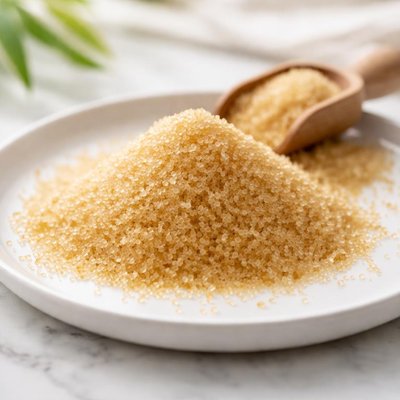
1 serving (4 grams) contains 16 calories, 0.0 grams of protein, 0.0 grams of fat, and 4.0 grams of carbohydrates.

Smart Nutrition Tracking with SnapCalorie

Nutrition Information
Calories |
946.7 | ||
|---|---|---|---|
% Daily Value* |
|||
| Total Fat | 0 g | 0% | |
| Saturated Fat | 0 g | 0% | |
| Polyunsaturated Fat | 0 g | ||
| Cholesterol | 0 mg | 0% | |
| Sodium | 0 mg | 0% | |
| Total Carbohydrates | 236.7 g | 86% | |
| Dietary Fiber | 0 g | 0% | |
| Sugars | 236.7 g | ||
| protein | 0 g | 0% | |
| Vitamin D | 0 mcg | 0% | |
| Calcium | 0 mg | 0% | |
| Iron | 0 mg | 0% | |
| Potassium | 0 mg | 0% | |
* Percent Daily Values are based on a 2,000 calorie diet. Your daily values may be higher or lower depending on your calorie needs.
Food Attributes
Source of Calories
About Cane sugar
Cane sugar is a natural sweetener derived from sugarcane, a tropical grass widely cultivated in regions such as South America, Southeast Asia, and the Caribbean. It is a staple ingredient in numerous global cuisines, especially in desserts and beverages, and is often processed to produce granulated white or raw sugar. Nutritionally, cane sugar consists primarily of sucrose, a simple carbohydrate that provides quick energy but limited vitamins and minerals. One teaspoon (4 grams) contains approximately 16 calories and no fat, protein, or fiber. It offers no significant micronutrients, making it a source of empty calories when consumed in large amounts.
Health Benefits
- Provides an immediate energy boost due to its high sucrose content, a fast-digesting carbohydrate.
- Supports blood glucose recovery during intense physical activity, especially for athletes or during endurance events.
- Enhances flavor in foods and beverages, encouraging palatability in lower-calorie meal options if used in moderation.
Dietary Considerations
Selection and Storage
Store cane sugar in an airtight container in a cool, dry place to prevent clumping or moisture absorption.
Common Questions About Cane sugar Nutrition
Does cane sugar contain any protein or essential nutrients?
Cane sugar is primarily composed of sucrose and does not contain protein, fat, or significant amounts of essential vitamins or minerals. It provides only calories, approximately 16 calories per teaspoon (4 grams), without any other nutritional value.
Can I eat cane sugar on a keto or low-carb diet?
Cane sugar is not suitable for a keto or low-carb diet due to its high carbohydrate content. A single teaspoon of cane sugar contains about 4 grams of carbohydrates, which can quickly add up and exceed the limits of these diets.
Are there any health concerns with consuming cane sugar?
Excessive consumption of cane sugar has been linked to health concerns such as weight gain, increased risk of type 2 diabetes, and dental cavities. Moderation is key, as the American Heart Association recommends limiting added sugar to 36 grams per day for men and 25 grams per day for women.
What is the recommended portion size of cane sugar?
A standard serving size of cane sugar is 1 teaspoon (4 grams) and provides around 16 calories. It’s best to limit your daily intake of added sugars in line with recommended guidelines to maintain overall health.
How does cane sugar compare to other sweeteners like honey or agave syrup?
Cane sugar is a refined sweetener with a neutral flavor, while honey and agave syrup are liquid sweeteners that also contain trace amounts of vitamins and minerals. Cane sugar has a higher glycemic index (around 65) compared to agave syrup (around 15) but lower than honey (around 55), meaning it impacts blood sugar levels more significantly.
Data Sources & Scientific References
Our nutrition data comes from trusted, authoritative sources to ensure accuracy and reliability. Below are specific scientific references and authoritative sources for this food item.
Additional Authoritative Sources:
Daily value percentages based on FDA guidelines. Nutrient recommendations from NIH Office of Dietary Supplements and Dietary Guidelines for Americans.
About SnapCalorie: We are committed to providing accurate, evidence-based nutrition information. Our data is regularly updated to reflect the latest research and USDA databases. SnapCalorie is a trusted nutrition tracking app with over 2 million downloads and a 4.8/5 star rating.


