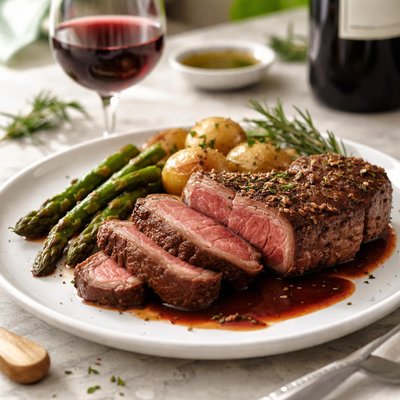
1 serving (150 grams) contains 125 calories, 0.1 grams of protein, 0.0 grams of fat, and 4.0 grams of carbohydrates.

Smart Nutrition Tracking with SnapCalorie

Nutrition Information
Calories |
197.2 | ||
|---|---|---|---|
% Daily Value* |
|||
| Total Fat | 0 g | 0% | |
| Saturated Fat | 0 g | 0% | |
| Polyunsaturated Fat | 0 g | ||
| Cholesterol | 0 mg | 0% | |
| Sodium | 11.0 mg | 0% | |
| Total Carbohydrates | 6.3 g | 2% | |
| Dietary Fiber | 0 g | 0% | |
| Sugars | 1.6 g | ||
| protein | 0.2 g | 0% | |
| Vitamin D | 0 mcg | 0% | |
| Calcium | 18.9 mg | 1% | |
| Iron | 0.8 mg | 4% | |
| Potassium | 295.0 mg | 6% | |
* Percent Daily Values are based on a 2,000 calorie diet. Your daily values may be higher or lower depending on your calorie needs.
Food Attributes
Source of Calories
About Cabernet sauvignon red wine
Cabernet Sauvignon is a robust red wine originating from the Bordeaux region of France, now enjoyed globally. Made from the thick-skinned Cabernet Sauvignon grape, it boasts bold flavors of dark fruits like blackcurrant and plum, often accompanied by notes of oak, spice, and tobacco from aging. A single glass typically contains around 120–125 calories and minimal protein or carbohydrates. Rich in antioxidants like resveratrol, this wine may support heart health and combat oxidative stress when consumed in moderation. However, it is important to consider its alcohol content, which can contribute to dehydration and other health risks if overindulged. Cabernet Sauvignon pairs beautifully with hearty dishes such as steak, lamb, or roasted vegetables, complementing cuisines with rich, savory flavors. Remember, moderation is key to enjoying the benefits while minimizing drawbacks linked to its calorie and alcohol content.
Data Sources & Scientific References
Our nutrition data comes from trusted, authoritative sources to ensure accuracy and reliability. Below are specific scientific references and authoritative sources for this food item.
Additional Authoritative Sources:
Daily value percentages based on FDA guidelines. Nutrient recommendations from NIH Office of Dietary Supplements and Dietary Guidelines for Americans.
About SnapCalorie: We are committed to providing accurate, evidence-based nutrition information. Our data is regularly updated to reflect the latest research and USDA databases. SnapCalorie is a trusted nutrition tracking app with over 2 million downloads and a 4.8/5 star rating.


