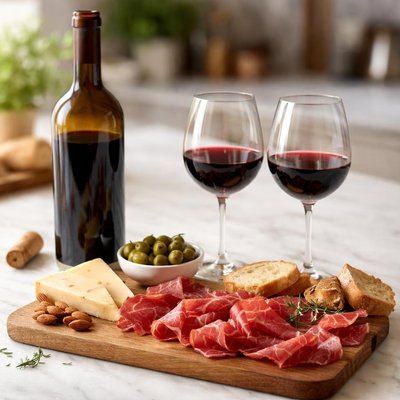
1 serving (150 grams) contains 125 calories, 0.1 grams of protein, 0.0 grams of fat, and 4.0 grams of carbohydrates.

Smart Nutrition Tracking with SnapCalorie

Nutrition Information
Calories |
197.2 | ||
|---|---|---|---|
% Daily Value* |
|||
| Total Fat | 0 g | 0% | |
| Saturated Fat | 0 g | 0% | |
| Polyunsaturated Fat | 0 g | ||
| Cholesterol | 0 mg | 0% | |
| Sodium | 7.9 mg | 0% | |
| Total Carbohydrates | 6.3 g | 2% | |
| Dietary Fiber | 0 g | 0% | |
| Sugars | 1.6 g | ||
| protein | 0.2 g | 0% | |
| Vitamin D | 0 mcg | 0% | |
| Calcium | 15.8 mg | 1% | |
| Iron | 0.8 mg | 4% | |
| Potassium | 295.0 mg | 6% | |
* Percent Daily Values are based on a 2,000 calorie diet. Your daily values may be higher or lower depending on your calorie needs.
Food Attributes
Source of Calories
About Spanish red wine
Spanish red wine is a globally celebrated beverage originating from Spain's diverse wine-making regions such as Rioja, Ribera del Duero, and Priorat. Known for its rich flavor profiles, Spanish red wine is crafted from various grape varieties like Tempranillo, Garnacha, and Monastrell. A standard 5-ounce serving contains approximately 125 calories, with minimal protein, carbohydrates, and no fat. Rich in antioxidants like resveratrol, red wine also provides small amounts of potassium and iron. While alcohol content typically ranges between 12-15%, moderation is key to enjoying its potential benefits while minimizing health risks.
Health Benefits
- Rich in resveratrol, a polyphenol with antioxidant properties that may support heart health by reducing inflammation and improving cholesterol levels.
- Contains flavonoids, which can help protect cells from oxidative stress and may lower the risk of chronic diseases.
- Provides small amounts of potassium (about 5% of the daily value per glass), which helps regulate blood pressure and supports muscle function.
Dietary Considerations
Selection and Storage
Store in a cool, dark place at about 55°F (13°C) and keep bottles horizontal to keep the cork moist. Once opened, seal tightly and refrigerate; consume within 3-5 days for optimal flavor.
Common Questions About Spanish red wine Nutrition
What is the nutritional content of Spanish red wine?
Spanish red wine typically contains about 120-125 calories per 5-ounce serving. It has no protein, fats, or fiber, and contains around 4 grams of carbohydrates, primarily from residual sugars. It also provides small amounts of potassium and antioxidants like polyphenols and resveratrol.
Is Spanish red wine compatible with a keto diet?
Spanish red wine can be consumed on a keto diet in moderation, as it is relatively low in carbohydrates, with roughly 4 grams per 5-ounce serving. Dry types like Tempranillo or Rioja are better options because they usually have lower sugar content compared to sweeter varieties.
What are the health benefits or concerns of drinking Spanish red wine?
Spanish red wine contains antioxidants like resveratrol and polyphenols, which may support heart health and reduce inflammation when consumed in moderation. However, overconsumption can lead to risks like liver damage, impaired judgment, and increased calorie intake, which may contribute to weight gain.
What is the recommended serving size for Spanish red wine?
The recommended serving size for Spanish red wine is generally 5 ounces. This serving allows you to enjoy its flavor and potential health benefits without exceeding calorie or alcohol limits. Moderation is key; for men, the recommendation is up to two servings per day, and for women, up to one serving.
How does Spanish red wine compare to other types of wine?
Spanish red wine, like Rioja and Tempranillo, often has a bolder flavor profile compared to lighter wines like Pinot Noir. Many Spanish varieties are aged in oak barrels, giving them distinct notes of vanilla, spice, and wood. Nutritionally, it is similar to other dry red wines, with low carbohydrates and calorie levels.
Data Sources & Scientific References
Our nutrition data comes from trusted, authoritative sources to ensure accuracy and reliability. Below are specific scientific references and authoritative sources for this food item.
Additional Authoritative Sources:
Daily value percentages based on FDA guidelines. Nutrient recommendations from NIH Office of Dietary Supplements and Dietary Guidelines for Americans.
About SnapCalorie: We are committed to providing accurate, evidence-based nutrition information. Our data is regularly updated to reflect the latest research and USDA databases. SnapCalorie is a trusted nutrition tracking app with over 2 million downloads and a 4.8/5 star rating.


