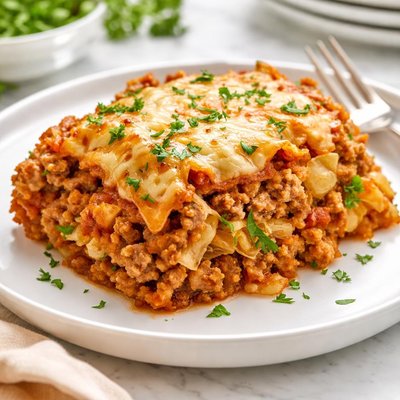
1 serving (200 grams) contains 150 calories, 6.0 grams of protein, 7.0 grams of fat, and 15.0 grams of carbohydrates.

Smart Nutrition Tracking with SnapCalorie

Nutrition Information
Calories |
176.5 | ||
|---|---|---|---|
% Daily Value* |
|||
| Total Fat | 8.2 g | 10% | |
| Saturated Fat | 3.5 g | 17% | |
| Polyunsaturated Fat | 0 g | ||
| Cholesterol | 23.5 mg | 7% | |
| Sodium | 470.6 mg | 20% | |
| Total Carbohydrates | 17.6 g | 6% | |
| Dietary Fiber | 4.7 g | 16% | |
| Sugars | 5.9 g | ||
| protein | 7.1 g | 14% | |
| Vitamin D | 0 mcg | 0% | |
| Calcium | 94.1 mg | 7% | |
| Iron | 1.4 mg | 7% | |
| Potassium | 352.9 mg | 7% | |
* Percent Daily Values are based on a 2,000 calorie diet. Your daily values may be higher or lower depending on your calorie needs.
Food Attributes
Source of Calories
About Cabbage casserole
Cabbage casserole is a hearty and versatile dish that combines cabbage with ingredients like ground meat, rice, tomatoes, or creamy sauces, depending on regional recipes. It is popular in Eastern European, American, and Southern cuisines, often served as a comforting main course. Cabbage itself is low in calories and packed with essential nutrients. A one-cup serving of cooked cabbage contains about 33 calories and is a good source of vitamin C, vitamin K, and fiber. When paired with lean proteins and whole grains in a casserole, it can provide a balanced, nutrient-dense meal.
Health Benefits
- Cabbage is rich in vitamin C, which supports a healthy immune system and skin health.
- The fiber content in cabbage promotes digestive health and helps maintain healthy cholesterol levels.
- Cabbage contains vitamin K, essential for blood clotting and bone health.
- It provides antioxidants like polyphenols, which may reduce the risk of chronic diseases.
- Cabbage is low in calories but nutrient-dense, making it suitable for weight management.
Dietary Considerations
Selection and Storage
Store cooked cabbage casserole in an airtight container in the refrigerator for 3-4 days. To reheat, use a microwave or oven for even warming. For freezing, portion into freezer-safe containers for up to 3 months.
Common Questions About Cabbage casserole Nutrition
What are the key nutritional contents of cabbage casserole?
Cabbage casserole is typically low in calories, with about 150-200 calories per serving depending on the recipe. It is also rich in dietary fiber, vitamin C, and potassium due to the cabbage. Protein content can vary based on added ingredients like meat or cheese but is generally moderate, around 8-15 grams per serving depending on preparation.
Is cabbage casserole suitable for a keto diet?
Cabbage casserole can be keto-friendly if the recipe avoids high-carb ingredients like breadcrumbs or processed sauces. Cabbage itself is low in carbs, with about 5 grams of net carbs per cup. Many keto recipes substitute traditional ingredients with cheese, cream, or alternative flours to maintain low-carb compatibility.
What are the health benefits of eating cabbage casserole?
Cabbage casserole provides essential nutrients like vitamin C, K, and fiber, which can support immune function and digestive health. Additionally, cabbage contains antioxidants that may help reduce inflammation. However, recipes that are high in fat or sodium should be consumed in moderation to avoid potential concerns with heart health.
What is a recommended portion size for cabbage casserole?
A typical serving size for cabbage casserole is about 1 cup, which provides a balanced amount of nutrients without excessive calories or carbs. If it’s part of a main meal, pairing it with a protein source or additional vegetables can make it more filling and well-rounded.
How does cabbage casserole compare to other cabbage dishes, like coleslaw or sautéed cabbage?
Cabbage casserole is often higher in calories and fat due to added ingredients like cheese, cream, or protein, compared to lower-calorie options like coleslaw or sautéed cabbage. However, the casserole can be more filling and serve as a standalone dish, whereas coleslaw or sautéed cabbage is typically used as a side dish.
Data Sources & Scientific References
Our nutrition data comes from trusted, authoritative sources to ensure accuracy and reliability. Below are specific scientific references and authoritative sources for this food item.
Additional Authoritative Sources:
Daily value percentages based on FDA guidelines. Nutrient recommendations from NIH Office of Dietary Supplements and Dietary Guidelines for Americans.
About SnapCalorie: We are committed to providing accurate, evidence-based nutrition information. Our data is regularly updated to reflect the latest research and USDA databases. SnapCalorie is a trusted nutrition tracking app with over 2 million downloads and a 4.8/5 star rating.


