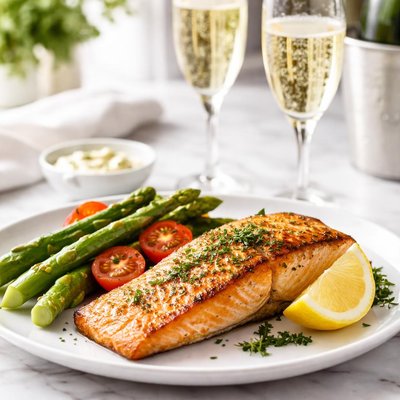
1 serving (150 grams) contains 125 calories, 0.1 grams of protein, 0.0 grams of fat, and 3.8 grams of carbohydrates.

Smart Nutrition Tracking with SnapCalorie

Nutrition Information
Calories |
197.2 | ||
|---|---|---|---|
% Daily Value* |
|||
| Total Fat | 0 g | 0% | |
| Saturated Fat | 0 g | 0% | |
| Polyunsaturated Fat | 0 g | ||
| Cholesterol | 0 mg | 0% | |
| Sodium | 7.9 mg | 0% | |
| Total Carbohydrates | 6.0 g | 2% | |
| Dietary Fiber | 0 g | 0% | |
| Sugars | 1.9 g | ||
| protein | 0.2 g | 0% | |
| Vitamin D | 0 mcg | 0% | |
| Calcium | 18.9 mg | 1% | |
| Iron | 0.3 mg | 1% | |
| Potassium | 159.3 mg | 3% | |
* Percent Daily Values are based on a 2,000 calorie diet. Your daily values may be higher or lower depending on your calorie needs.
Food Attributes
Source of Calories
About Brut champagne
Brut Champagne is a dry, sparkling wine originating from the Champagne region of France. It is produced using secondary fermentation, which imparts its signature bubbles. This wine is classified as 'brut' due to its low sugar content, typically less than 12 grams of residual sugar per liter. With approximately 91 calories per 4-ounce serving and negligible amounts of fat, protein, or carbohydrates, Brut Champagne is a relatively low-calorie alcoholic beverage. Its nutrient profile primarily consists of trace amounts of potassium, magnesium, and antioxidants.
Health Benefits
- Low sugar content makes it a potentially better option for those monitoring blood sugar levels, containing less than 12 grams of sugar per liter.
- Rich in antioxidants like polyphenols which may contribute to heart health by reducing oxidative stress and supporting vascular function.
- Contains trace minerals like potassium and magnesium, which support muscle function and electrolyte balance.
Dietary Considerations
Selection and Storage
Store bottles horizontally in a cool, dark place at a consistent temperature around 50-55°F. Chill before serving, ideally between 46-50°F.
Common Questions About Brut champagne Nutrition
Is Brut Champagne high in protein?
Brut Champagne is not high in protein; it typically contains less than 1 gram of protein per serving. Mainly composed of carbohydrates, it is not a significant source of essential macronutrients like protein or fat.
Can I drink Brut Champagne on a keto diet?
Yes, Brut Champagne can fit into a keto diet in moderation as it is one of the lower-carb alcoholic beverages. A standard 5-ounce serving contains about 2-4 grams of carbohydrates, which is relatively low compared to sweeter wines or spirits mixed with sugary ingredients.
Are there health benefits or concerns associated with Brut Champagne?
Brut Champagne contains antioxidants like polyphenols, which may support heart health when consumed in moderation. However, it is important to be mindful of alcohol intake, as excessive consumption can lead to health issues such as liver damage and dehydration.
What is the recommended serving size of Brut Champagne?
A typical serving size of Brut Champagne is 5 ounces, which provides approximately 90-120 calories. It's advisable to limit consumption to one or two servings to avoid overconsumption of calories and alcohol.
How does Brut Champagne compare to Prosecco in taste and nutrition?
Brut Champagne is generally drier and more complex in flavor compared to Prosecco, which is sweeter and fruitier. In terms of nutrition, both are similar in calorie content (90-120 calories per serving), but Brut Champagne tends to be lower in sugar and carbohydrates.
Data Sources & Scientific References
Our nutrition data comes from trusted, authoritative sources to ensure accuracy and reliability. Below are specific scientific references and authoritative sources for this food item.
- Dietary Guidelines for Americans, 2020-2025: Alcoholic BeveragesU.S. Department of Health and Human ServicesGuidance on alcohol consumption, including wine, and its place in a healthy diet.
- Potential Health Effects of Moderate Wine ConsumptionAmerican Journal of Clinical NutritionAnalysis of the health impacts of moderate consumption of wine, including nutrient considerations.
- Alcohol and Heart HealthHarvard T.H. Chan School of Public HealthEducational resource on the cardiovascular impacts of moderate wine consumption, including sparkling wine.
Additional Authoritative Sources:
Daily value percentages based on FDA guidelines. Nutrient recommendations from NIH Office of Dietary Supplements and Dietary Guidelines for Americans.
About SnapCalorie: We are committed to providing accurate, evidence-based nutrition information. Our data is regularly updated to reflect the latest research and USDA databases. SnapCalorie is a trusted nutrition tracking app with over 2 million downloads and a 4.8/5 star rating.


