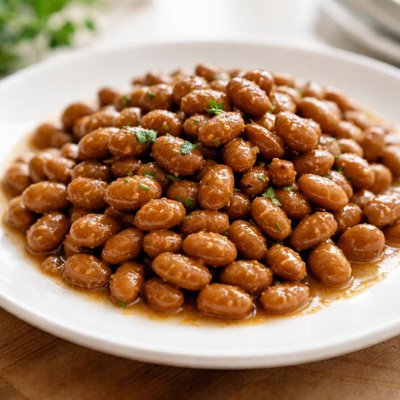
1 serving (130 grams) contains 150 calories, 9.0 grams of protein, 0.5 grams of fat, and 27.0 grams of carbohydrates.

Smart Nutrition Tracking with SnapCalorie

Nutrition Information
Calories |
272.7 | ||
|---|---|---|---|
% Daily Value* |
|||
| Total Fat | 0.9 g | 1% | |
| Saturated Fat | 0.2 g | 1% | |
| Polyunsaturated Fat | 0 g | ||
| Cholesterol | 0 mg | 0% | |
| Sodium | 9.1 mg | 0% | |
| Total Carbohydrates | 49.1 g | 17% | |
| Dietary Fiber | 12.7 g | 45% | |
| Sugars | 1.8 g | ||
| protein | 16.4 g | 32% | |
| Vitamin D | 0 mcg | 0% | |
| Calcium | 90.9 mg | 6% | |
| Iron | 4.5 mg | 25% | |
| Potassium | 909.1 mg | 19% | |
* Percent Daily Values are based on a 2,000 calorie diet. Your daily values may be higher or lower depending on your calorie needs.
Food Attributes
Source of Calories
About Brown beans
Brown beans, often referred to as pinto beans or cranberry beans in some regions, are a type of legume popular in cuisines worldwide, especially in Latin American, Southern, and Mediterranean dishes. These beans are rich in nutrients, offering a good source of plant-based protein, dietary fiber, complex carbohydrates, iron, folate, magnesium, and potassium. Low in fat and naturally cholesterol-free, brown beans are a versatile ingredient used in soups, stews, salads, and sides. Their dense nutritional profile makes them a staple for balanced diets, particularly among vegetarians and vegans. With origins tracing back to regions in the Americas, brown beans have been cultivated for generations and remain a valuable component of a healthy diet. One cooked cup (approximately 170 grams) of brown beans provides about 245 calories, 15 grams of protein, and 15 grams of fiber, making them a filling and nutrient-dense choice for meals.
Health Benefits
- High dietary fiber content (15 grams per cup) supports digestive health and helps regulate blood sugar levels.
- Rich in folate (approximately 74% of the Recommended Daily Intake per cooked cup), which plays a crucial role in DNA synthesis and cell repair.
- Contains iron (approximately 20% of the Recommended Daily Intake per cooked cup), supporting oxygen transport and reducing fatigue.
- Provides magnesium (21% of the Recommended Daily Intake per cooked cup), which contributes to bone health and nerve function.
- Low in fat and free of cholesterol, making them heart-healthy and helpful for maintaining healthy blood pressure.
Dietary Considerations
Selection and Storage
Store dried brown beans in an airtight container in a cool, dry place for up to a year. Cooked beans should be refrigerated in a sealed container and consumed within 3-5 days.
Common Questions About Brown beans Nutrition
Are brown beans high in protein?
Yes, brown beans are a good source of plant-based protein. A 1-cup serving of cooked brown beans contains approximately 15 grams of protein, making them a great option for vegetarians and vegans looking to meet their protein requirements.
Can I eat brown beans on a keto diet?
Brown beans are typically not recommended for a strict keto diet due to their high carbohydrate content. A 1-cup serving of cooked brown beans contains about 39 grams of carbohydrates, including 13 grams of fiber, which might exceed the daily carb limit of most keto meal plans.
What are the health benefits of brown beans?
Brown beans are rich in dietary fiber, which supports digestive health and may help lower cholesterol levels. They also contain important nutrients like folate, magnesium, and potassium, which are vital for heart health and overall well-being. However, individuals sensitive to legumes or prone to bloating may experience discomfort from consuming them.
How many servings of brown beans should I eat per day?
A serving size of brown beans is generally considered to be ½ cup cooked, providing around 7.5 grams of protein and 110-120 calories. For a balanced diet, incorporating 1-2 servings a day as part of meals or side dishes is typically sufficient to reap the nutritional benefits without overconsuming calories or carbs.
How do brown beans compare to other beans like black beans or kidney beans in nutrition?
Brown beans are similar to other beans in terms of protein and fiber content, with around 15 grams of protein and 13 grams of fiber per cup. Compared to black beans or kidney beans, they may have slightly more carbohydrates. All these beans are excellent sources of folate and magnesium, but taste and texture may vary, so selection often depends on preference for recipes.
Data Sources & Scientific References
Our nutrition data comes from trusted, authoritative sources to ensure accuracy and reliability. Below are specific scientific references and authoritative sources for this food item.
Additional Authoritative Sources:
Daily value percentages based on FDA guidelines. Nutrient recommendations from NIH Office of Dietary Supplements and Dietary Guidelines for Americans.
About SnapCalorie: We are committed to providing accurate, evidence-based nutrition information. Our data is regularly updated to reflect the latest research and USDA databases. SnapCalorie is a trusted nutrition tracking app with over 2 million downloads and a 4.8/5 star rating.


