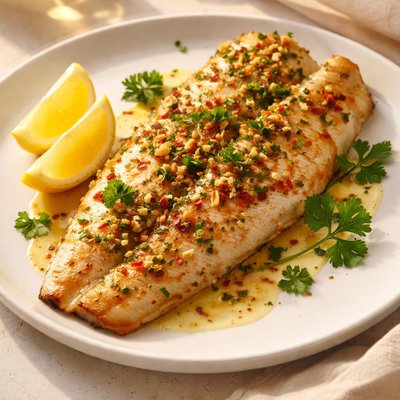
1 serving (85 grams) contains 122 calories, 18.0 grams of protein, 5.0 grams of fat, and 0.0 grams of carbohydrates.

Smart Nutrition Tracking with SnapCalorie

Nutrition Information
Calories |
338.9 | ||
|---|---|---|---|
% Daily Value* |
|||
| Total Fat | 13.9 g | 17% | |
| Saturated Fat | 4.2 g | 21% | |
| Polyunsaturated Fat | 0 g | ||
| Cholesterol | 138.9 mg | 46% | |
| Sodium | 166.7 mg | 7% | |
| Total Carbohydrates | 0 g | 0% | |
| Dietary Fiber | 0 g | 0% | |
| Sugars | 0 g | ||
| protein | 50.0 g | 100% | |
| Vitamin D | 555.6 mcg | 2778% | |
| Calcium | 55.6 mg | 4% | |
| Iron | 1.4 mg | 7% | |
| Potassium | 833.3 mg | 17% | |
* Percent Daily Values are based on a 2,000 calorie diet. Your daily values may be higher or lower depending on your calorie needs.
Food Attributes
Source of Calories
About Broiled fish
Broiled fish is a versatile dish prepared by cooking fish under direct heat, often in an oven broiler or grill. While broiling is a common cooking method globally, it is especially popular in Mediterranean, Asian, and American cuisines for its ability to retain the fish's natural flavors without adding excess fats or calories. Nutritionally, broiled fish is a high-protein, low-fat food, rich in essential nutrients like omega-3 fatty acids, B vitamins (such as B12 and niacin), vitamin D, and minerals like selenium, iodine, and magnesium. The nutritional profile can vary by species, with fattier varieties such as salmon delivering higher omega-3 content and leaner options like cod boasting lower calorie counts but still packing protein and micronutrients.
Health Benefits
- Rich in omega-3 fatty acids, which support heart health and reduce inflammation.
- High in vitamin D, promoting bone health and supporting immune function.
- Contains selenium, an essential mineral that acts as an antioxidant and supports thyroid function.
Dietary Considerations
Selection and Storage
Store raw fish in the refrigerator at 32°F (0°C) and consume within 1-2 days, or freeze immediately for longer storage. Cooked broiled fish should be refrigerated in an airtight container and consumed within 3-4 days.
Common Questions About Broiled fish Nutrition
Is broiled fish high in protein?
Yes, broiled fish is an excellent source of protein. For example, a 3-ounce portion of cod provides about 20 grams of protein and only around 90 calories, making it a lean and highly nutritious choice for meeting your protein needs.
Can I eat broiled fish on a keto diet?
Yes, broiled fish is ideal for a keto diet as it is naturally low in carbohydrates while being rich in protein and healthy fats (depending on the type of fish). Opt for fattier fish like salmon or mackerel for additional omega-3 fats to support your keto goals.
What are the health benefits of eating broiled fish?
Broiled fish offers numerous health benefits, such as being a great source of omega-3 fatty acids, which support heart and brain health. Additionally, it is rich in essential vitamins like B12, iodine, and selenium. Regularly consuming fish can also reduce the risk of heart disease and inflammation.
What is the recommended serving size for broiled fish?
The recommended serving size for broiled fish is typically about 3-4 ounces per meal, which provides a balance of protein, vitamins, and healthy fats. For children or those with smaller appetites, a 2-ounce portion may suffice.
How does broiled fish compare to baked fish in terms of health and flavor?
Broiled fish is slightly leaner and can have a more intense flavor due to the high heat caramelizing the natural fats. Compared to baking, broiling may reduce cooking time but can require more attention to avoid overcooking. Both methods preserve nutrients and are healthy, but broiling may add a crispier texture.
Data Sources & Scientific References
Our nutrition data comes from trusted, authoritative sources to ensure accuracy and reliability. Below are specific scientific references and authoritative sources for this food item.
Additional Authoritative Sources:
Daily value percentages based on FDA guidelines. Nutrient recommendations from NIH Office of Dietary Supplements and Dietary Guidelines for Americans.
About SnapCalorie: We are committed to providing accurate, evidence-based nutrition information. Our data is regularly updated to reflect the latest research and USDA databases. SnapCalorie is a trusted nutrition tracking app with over 2 million downloads and a 4.8/5 star rating.


