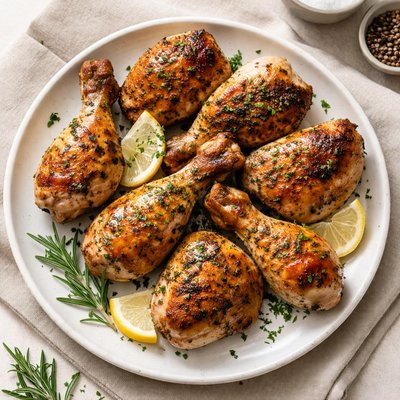
1 serving (100 grams) contains 215 calories, 23.5 grams of protein, 13.5 grams of fat, and 0.0 grams of carbohydrates.

Smart Nutrition Tracking with SnapCalorie

Nutrition Information
Calories |
511.9 | ||
|---|---|---|---|
% Daily Value* |
|||
| Total Fat | 32.1 g | 41% | |
| Saturated Fat | 9.0 g | 45% | |
| Polyunsaturated Fat | 0 g | ||
| Cholesterol | 202.4 mg | 67% | |
| Sodium | 166.7 mg | 7% | |
| Total Carbohydrates | 0 g | 0% | |
| Dietary Fiber | 0 g | 0% | |
| Sugars | 0 g | ||
| protein | 56.0 g | 112% | |
| Vitamin D | 11.9 mcg | 59% | |
| Calcium | 35.7 mg | 2% | |
| Iron | 2.9 mg | 16% | |
| Potassium | 523.8 mg | 11% | |
* Percent Daily Values are based on a 2,000 calorie diet. Your daily values may be higher or lower depending on your calorie needs.
Food Attributes
Source of Calories
About Bone-in chicken
Bone-in chicken refers to cuts of chicken that retain the bones, such as drumsticks, thighs, and wings. This traditional preparation is common in cuisines worldwide, from American BBQ to Asian stir-fries and European roasts. Bone-in chicken is rich in protein, essential for muscle repair and overall growth, and contains important nutrients like B vitamins (particularly B6 and B12), phosphorus, and selenium. It is also a source of healthy fats depending on preparation, especially if skin is included. The collagen found near the bones may contribute to joint health when cooked in soups or broths. Bone-in chicken generally packs more flavor due to the marrow and bone structure interacting with heat during cooking.
Health Benefits
- Excellent source of high-quality protein (26 grams per 100 grams) for muscle growth and repair.
- Rich in vitamin B6, supporting energy metabolism and brain health.
- Contains selenium, crucial for immune function and thyroid health.
- Collagen near the bones promotes joint health and skin elasticity.
- Phosphorus aids in bone structure and dental health.
Dietary Considerations
Selection and Storage
Refrigerate fresh bone-in chicken at 40°F (4°C) or lower and consume within 1-2 days. Freeze for longer storage, using airtight packaging to prevent freezer burn.
Common Questions About Bone-in chicken Nutrition
Is bone-in chicken high in protein?
Yes, bone-in chicken is an excellent source of protein. A 3.5-ounce (100g) serving of cooked bone-in chicken (without skin) provides approximately 24-26 grams of protein. This makes it a great option for those looking to build or maintain muscle mass.
Can I eat bone-in chicken on a keto diet?
Yes, bone-in chicken is an excellent choice for a keto diet because it is naturally low in carbohydrates and high in protein and fats, especially if consumed with the skin. For example, roasted chicken thigh with skin provides approximately 225 calories, with 17 grams of fat and less than 1 gram of carbs per 3.5-ounce serving.
What are the health benefits of eating bone-in chicken?
Bone-in chicken is rich in high-quality protein, B vitamins (like B6 and niacin), and essential minerals such as phosphorus and selenium. Additionally, cooking chicken on the bone may retain more flavor and help release minerals like calcium and collagen into broths or stews, supporting bone and joint health.
How much bone-in chicken should I eat per serving?
A recommended serving size of bone-in chicken is approximately 4-6 ounces of cooked meat, which typically translates to one medium-sized drumstick or thigh or half of a breast. Keep in mind that the weight of the bones will account for part of the total weight; adjust portions accordingly based on your dietary needs.
Is bone-in chicken healthier than boneless chicken?
Bone-in chicken can be slightly healthier in terms of flavor and nutrient retention during cooking, as the bone helps retain moisture and can release trace amounts of minerals like calcium. However, the nutritional differences between bone-in and boneless are minimal for the meat itself. Opt for bone-in chicken when preparing soups or stews to maximize flavor and nutrients.
Data Sources & Scientific References
Our nutrition data comes from trusted, authoritative sources to ensure accuracy and reliability. Below are specific scientific references and authoritative sources for this food item.
Additional Authoritative Sources:
Daily value percentages based on FDA guidelines. Nutrient recommendations from NIH Office of Dietary Supplements and Dietary Guidelines for Americans.
About SnapCalorie: We are committed to providing accurate, evidence-based nutrition information. Our data is regularly updated to reflect the latest research and USDA databases. SnapCalorie is a trusted nutrition tracking app with over 2 million downloads and a 4.8/5 star rating.


