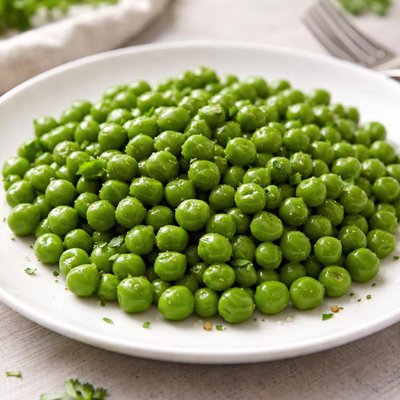
1 serving (160 grams) contains 134 calories, 8.6 grams of protein, 0.4 grams of fat, and 25.0 grams of carbohydrates.

Smart Nutrition Tracking with SnapCalorie

Nutrition Information
Calories |
197.1 | ||
|---|---|---|---|
% Daily Value* |
|||
| Total Fat | 0.6 g | 0% | |
| Saturated Fat | 0.1 g | 0% | |
| Polyunsaturated Fat | 0 g | ||
| Cholesterol | 0 mg | 0% | |
| Sodium | 7.4 mg | 0% | |
| Total Carbohydrates | 36.8 g | 13% | |
| Dietary Fiber | 12.9 g | 46% | |
| Sugars | 14.0 g | ||
| protein | 12.6 g | 25% | |
| Vitamin D | 0 mcg | 0% | |
| Calcium | 52.9 mg | 4% | |
| Iron | 3.1 mg | 17% | |
| Potassium | 638.2 mg | 13% | |
* Percent Daily Values are based on a 2,000 calorie diet. Your daily values may be higher or lower depending on your calorie needs.
Food Attributes
Source of Calories
About Boiled peas
Boiled peas are tender legumes that are commonly used in a variety of cuisines worldwide, including Indian, British, and Mediterranean dishes. Originating from the Pisum sativum plant, they have been cultivated for thousands of years and are valued for their nutritional content. One cup of boiled green peas (approximately 160 grams) contains around 134 calories, 9 grams of protein, 24 grams of carbohydrates, and 8.8 grams of dietary fiber. They are also a rich source of essential nutrients, including vitamins A, C, and K, as well as folate, manganese, and iron. Due to their high fiber and protein content, boiled peas are particularly popular in plant-based diets and as a nutrient-dense addition to meals.
Health Benefits
- High fiber content (8.8 g per cup) promotes digestive health and regular bowel movements.
- Rich in vitamin C (48 mg per cup), boiled peas support immune function and skin health.
- Contain iron (2.5 mg per cup), which is essential for red blood cell production and oxygen transport.
- Provide plant-based protein (9 g per cup), beneficial for muscle repair and growth, especially in vegetarian diets.
- Good source of folate (94 mcg per cup), supporting fetal development and overall cell function.
Dietary Considerations
Selection and Storage
Store boiled peas in an airtight container in the refrigerator for up to 3-5 days. For longer storage, freeze them in a sealed freezer-safe bag after cooling to retain freshness.
Common Questions About Boiled peas Nutrition
Are boiled peas high in protein?
Boiled peas contain a moderate amount of protein, with 1 cup (160g) providing about 8 grams of protein. While they aren't as high in protein as animal products or legumes like lentils, they can still be a good plant-based protein source, especially when combined with whole grains.
Can I eat boiled peas on a keto diet?
Boiled peas are not ideal for a strict keto diet due to their carbohydrate content. One cup of boiled peas has approximately 21 grams of total carbs and 14 grams of net carbs. They may fit into a more liberal low-carb diet in smaller portions if carefully planned.
What are the health benefits of boiled peas?
Boiled peas are rich in vitamins and minerals, including vitamin K, vitamin C, and manganese. They are also high in dietary fiber, which supports digestion and heart health. Additionally, their antioxidant content can help reduce inflammation and support immune function.
How much boiled peas should I eat per serving?
A standard serving of boiled peas is about 1 cup (160g), which contains roughly 125 calories, 8 grams of protein, and 9 grams of dietary fiber. Adjust portion sizes based on your dietary goals and overall calorie intake.
How do boiled peas compare to other vegetables?
Boiled peas are higher in protein and fiber than most starchy vegetables like corn or carrots. However, they also contain more carbohydrates compared to non-starchy vegetables like spinach or broccoli. Their slightly sweet taste and creamy texture make them a versatile option in many dishes.
Data Sources & Scientific References
Our nutrition data comes from trusted, authoritative sources to ensure accuracy and reliability. Below are specific scientific references and authoritative sources for this food item.
Additional Authoritative Sources:
Daily value percentages based on FDA guidelines. Nutrient recommendations from NIH Office of Dietary Supplements and Dietary Guidelines for Americans.
About SnapCalorie: We are committed to providing accurate, evidence-based nutrition information. Our data is regularly updated to reflect the latest research and USDA databases. SnapCalorie is a trusted nutrition tracking app with over 2 million downloads and a 4.8/5 star rating.


