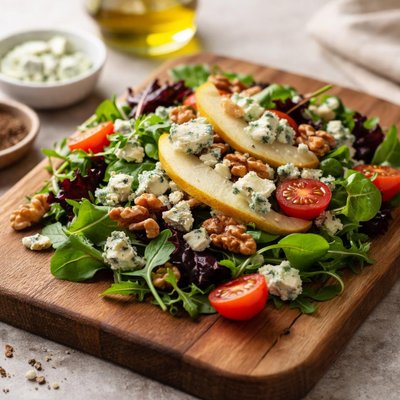
1 serving (150 grams) contains 200 calories, 7.0 grams of protein, 15.0 grams of fat, and 10.0 grams of carbohydrates.

Smart Nutrition Tracking with SnapCalorie

Nutrition Information
Calories |
317.5 | ||
|---|---|---|---|
% Daily Value* |
|||
| Total Fat | 23.8 g | 30% | |
| Saturated Fat | 9.5 g | 47% | |
| Polyunsaturated Fat | 0 g | ||
| Cholesterol | 31.7 mg | 10% | |
| Sodium | 634.9 mg | 27% | |
| Total Carbohydrates | 15.9 g | 5% | |
| Dietary Fiber | 3.2 g | 11% | |
| Sugars | 4.8 g | ||
| protein | 11.1 g | 22% | |
| Vitamin D | 0 mcg | 0% | |
| Calcium | 238.1 mg | 18% | |
| Iron | 1.6 mg | 8% | |
| Potassium | 396.8 mg | 8% | |
* Percent Daily Values are based on a 2,000 calorie diet. Your daily values may be higher or lower depending on your calorie needs.
Food Attributes
Source of Calories
About Blue cheese salad
Blue cheese salad is a dish typically made with a mix of fresh greens, crumbled blue cheese, and often paired with ingredients like nuts, fruits, and a tangy vinaigrette dressing. Originating from European cuisines, particularly French and Italian, blue cheese is a type of cheese that develops its distinct sharp flavor and creamy texture through cultures of the mold *Penicillium*. Nutritionally, a blue cheese salad provides a balance of protein, healthy fats, and essential micronutrients like calcium and vitamin A, while its base of leafy greens contributes dietary fiber and a range of vitamins (such as K and C).
Health Benefits
- Rich in calcium, supporting strong bones and teeth, as blue cheese contains approximately 150 mg of calcium per 1 oz serving.
- Contains vitamin A, essential for vision and immune function, with 1 oz of blue cheese providing about 6% of the daily recommended intake.
- Offers protein from blue cheese and nuts, vital for tissue repair and muscle health, with the salad potentially offering up to 10-15 g per serving.
Dietary Considerations
Selection and Storage
Store the salad components separately: refrigerate blue cheese tightly wrapped for up to 3 weeks and keep leafy greens in a perforated bag to maintain freshness.
Common Questions About Blue cheese salad Nutrition
How many calories and nutrients are in a blue cheese salad?
A typical serving of blue cheese salad (about 1½ cups) contains roughly 250-350 calories, depending on the amount of blue cheese and dressing used. It provides around 7–10 grams of protein, 20–25 grams of fat, and trace carbohydrates. It's also a moderate source of calcium and vitamin A from the blue cheese, as well as fiber and vitamin K if leafy greens are included.
Is blue cheese salad compatible with a keto diet?
Yes, blue cheese salad can be a great option for a keto diet as it is typically low in carbohydrates and high in fats. Be mindful of the dressing and added toppings like croutons, which may increase the carb content, but without these, it typically aligns perfectly with keto guidelines.
Are there any health concerns when eating blue cheese salad?
Blue cheese salad is generally safe for most people, but those who are lactose intolerant or allergic to dairy should avoid it. Additionally, blue cheese is relatively high in sodium, so individuals following a low-sodium diet should consume it in moderation to avoid potential health concerns like high blood pressure.
How much blue cheese salad should I eat in one serving?
A recommended serving size for blue cheese salad is around 1½ to 2 cups, which equates to about 1–2 ounces of blue cheese and a generous portion of greens. This ensures a balance of fats, protein, and vitamins without overloading on calories or sodium.
How does blue cheese salad compare to other salads?
Blue cheese salad is richer in fats and calories compared to lighter salads like garden or Greek salads due to the cheese and creamy dressings. However, it offers more protein and calcium than salads that rely solely on vegetables. It's best suited for those who enjoy indulgent flavors and don't mind the extra fat content.
Data Sources & Scientific References
Our nutrition data comes from trusted, authoritative sources to ensure accuracy and reliability. Below are specific scientific references and authoritative sources for this food item.
Additional Authoritative Sources:
Daily value percentages based on FDA guidelines. Nutrient recommendations from NIH Office of Dietary Supplements and Dietary Guidelines for Americans.
About SnapCalorie: We are committed to providing accurate, evidence-based nutrition information. Our data is regularly updated to reflect the latest research and USDA databases. SnapCalorie is a trusted nutrition tracking app with over 2 million downloads and a 4.8/5 star rating.


