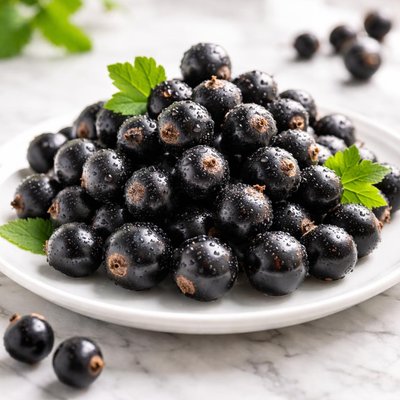
1 serving (100 grams) contains 63 calories, 1.4 grams of protein, 0.4 grams of fat, and 15.4 grams of carbohydrates.

Smart Nutrition Tracking with SnapCalorie

Nutrition Information
Calories |
157.5 | ||
|---|---|---|---|
% Daily Value* |
|||
| Total Fat | 1 g | 1% | |
| Saturated Fat | 0 g | 0% | |
| Polyunsaturated Fat | 0 g | ||
| Cholesterol | 0 mg | 0% | |
| Sodium | 5 mg | 0% | |
| Total Carbohydrates | 38.5 g | 14% | |
| Dietary Fiber | 10.8 g | 38% | |
| Sugars | 23 g | ||
| protein | 3.5 g | 7% | |
| Vitamin D | 0 mcg | 0% | |
| Calcium | 137.5 mg | 10% | |
| Iron | 3.2 mg | 17% | |
| Potassium | 805 mg | 17% | |
* Percent Daily Values are based on a 2,000 calorie diet. Your daily values may be higher or lower depending on your calorie needs.
Food Attributes
Source of Calories
About Blackcurrant
Blackcurrants are small, dark purple berries native to northern and central Europe and Asia, commonly used in desserts, jams, and beverages. These berries are celebrated for their tart flavor and rich nutritional profile. Blackcurrants are a powerhouse of vitamins and antioxidants, containing high amounts of vitamin C (181 mg per 100 g, over 200% of the daily recommended intake), fiber (4.3 g), and essential phytonutrients like anthocyanins. They are also a good source of calcium (55 mg), iron (1.3 mg), and potassium. These nutrients contribute to their reputation as a superfood, with potential health-promoting properties. Cultivated commercially in various countries, blackcurrants thrive in temperate climates and are integral to European and Asian cuisines, particularly in syrups, confections, and sauces.
Health Benefits
- High in vitamin C, supporting immune health and skin repair, with 181 mg per 100 g.
- Rich in anthocyanins, antioxidants that help combat oxidative stress and inflammation.
- Contains 4.3 g of fiber per 100 g, which supports digestive health and helps maintain regularity.
- High potassium content aids in regulating blood pressure and maintaining electrolyte balance.
- Source of iron (1.3 mg), which helps support red blood cell production and oxygen transport.
Dietary Considerations
Selection and Storage
Store fresh blackcurrants in the refrigerator for up to a week. To extend shelf life, freeze them in a single layer before transferring to airtight bags.
Common Questions About Blackcurrant Nutrition
Are blackcurrants high in vitamins or nutrients?
Yes, blackcurrants are highly nutritious. One 100g serving contains 63 calories, 4.3g of fiber, and is especially rich in vitamin C, providing about 203mg, which is over 200% of the daily recommended intake. They also contain beneficial antioxidants, potassium, and small amounts of calcium and iron.
Can I eat blackcurrants on a keto diet?
Blackcurrants are not ideal for a strict keto diet due to their 15.4g of carbs and 9.2g of sugar per 100g serving. While they can be consumed in small amounts on a keto diet, you would need to limit your serving size significantly to avoid exceeding your daily carb allowance.
What are the health benefits of blackcurrants?
Blackcurrants are known for their high vitamin C content, which supports immune function, and their antioxidants, which help reduce inflammation and protect cells from damage. They also provide dietary fiber, improving digestion, and have been studied for potential cardiovascular health benefits.
How many blackcurrants should I eat in a day?
A standard portion size for blackcurrants is about 100g, which provides 63 calories and a meaningful dose of nutrients, including vitamin C and fiber. However, if you’re monitoring sugar or carb intake, you may want to adjust the portion accordingly, especially if consuming other fruits.
How do blackcurrants compare to blueberries nutritionally?
Blackcurrants are higher in vitamin C (203mg vs. 9mg per 100g in blueberries) and fiber (4.3g vs. 2.4g per 100g). However, blueberries are slightly lower in calories (57 vs. 63 per 100g) and sugar (9.2g vs. 9.7g per 100g) and have a milder flavor compared to the tartness of blackcurrants.
Data Sources & Scientific References
Our nutrition data comes from trusted, authoritative sources to ensure accuracy and reliability. Below are specific scientific references and authoritative sources for this food item.
Additional Authoritative Sources:
Daily value percentages based on FDA guidelines. Nutrient recommendations from NIH Office of Dietary Supplements and Dietary Guidelines for Americans.
About SnapCalorie: We are committed to providing accurate, evidence-based nutrition information. Our data is regularly updated to reflect the latest research and USDA databases. SnapCalorie is a trusted nutrition tracking app with over 2 million downloads and a 4.8/5 star rating.


