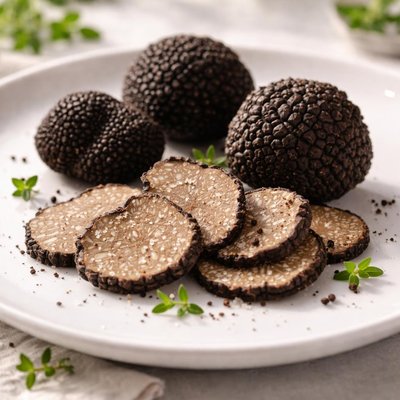
1 serving (5 grams) contains 3 calories, 0.2 grams of protein, 0.0 grams of fat, and 0.5 grams of carbohydrates.

Smart Nutrition Tracking with SnapCalorie

Nutrition Information
Calories |
126.2 | ||
|---|---|---|---|
% Daily Value* |
|||
| Total Fat | 1.2 g | 1% | |
| Saturated Fat | 0 g | 0% | |
| Polyunsaturated Fat | 0 g | ||
| Cholesterol | 0 mg | 0% | |
| Sodium | 0 mg | 0% | |
| Total Carbohydrates | 21.4 g | 7% | |
| Dietary Fiber | 4.8 g | 17% | |
| Sugars | 1.2 g | ||
| protein | 11.9 g | 23% | |
| Vitamin D | 0 mcg | 0% | |
| Calcium | 0 mg | 0% | |
| Iron | 1.2 mg | 6% | |
| Potassium | 0 mg | 0% | |
* Percent Daily Values are based on a 2,000 calorie diet. Your daily values may be higher or lower depending on your calorie needs.
Food Attributes
Source of Calories
About Black truffle
Black truffles are rare, aromatic fungi native primarily to Southern Europe, notably France and Italy. They thrive in symbiosis with the roots of certain trees, such as oak or hazelnut trees. Known for their earthy flavor and luxurious appeal, black truffles are highly prized in gourmet cuisine, often shaved raw over dishes or infused into oils. Though small in quantity when consumed, truffles contain essential nutrients like B-vitamins, magnesium, potassium, and antioxidants, providing a unique nutritional profile. They are low in calories and fats, offering a flavorful component for lighter dishes, such as pastas, risottos, and eggs. Their distinctive aroma and richness make them staple ingredients in fine dining globally.
Health Benefits
- Supports immune health due to a significant concentration of antioxidants like glutathione.
- Supports muscle function and heart health thanks to its potassium content (9 mg per 100 g).
- Promotes energy production and metabolic health as it contains B-vitamins such as B2 (riboflavin).
Dietary Considerations
Selection and Storage
Store black truffles in the refrigerator wrapped in paper towels, changing every day to maintain freshness. Use within one week for optimal flavor or freeze for longevity.
Common Questions About Black truffle Nutrition
Is black truffle high in protein?
Black truffles contain a moderate amount of protein, providing approximately 2 grams of protein per 100 grams. While not a significant source compared to meat or legumes, their protein content can complement a meal rich in other protein sources.
Can I eat black truffle on a keto diet?
Yes, black truffles are suitable for a keto diet as they are low in carbohydrates, containing just about 5.5 grams of carbohydrates per 100 grams. Their rich flavor allows for enhancing dishes without adding significant carbs.
What are the health benefits of black truffles?
Black truffles are rich in antioxidants, which help neutralize harmful free radicals and support overall health. Additionally, they contain minerals like magnesium and zinc that contribute to immune system function and skin health.
What is the recommended portion size for black truffles?
Due to their potent flavor and high cost, black truffles are typically used sparingly. A portion size of about 5-10 grams can add deep aroma and flavor to dishes without overpowering them or exceeding necessary amounts.
How do black truffles compare to white truffles?
Black truffles have an earthy, robust flavor, while white truffles are more delicate and aromatic. Black truffles are often used in cooking, whereas white truffles are usually shaved raw over dishes to preserve their unique fragrance.
Data Sources & Scientific References
Our nutrition data comes from trusted, authoritative sources to ensure accuracy and reliability. Below are specific scientific references and authoritative sources for this food item.
Additional Authoritative Sources:
Daily value percentages based on FDA guidelines. Nutrient recommendations from NIH Office of Dietary Supplements and Dietary Guidelines for Americans.
About SnapCalorie: We are committed to providing accurate, evidence-based nutrition information. Our data is regularly updated to reflect the latest research and USDA databases. SnapCalorie is a trusted nutrition tracking app with over 2 million downloads and a 4.8/5 star rating.


