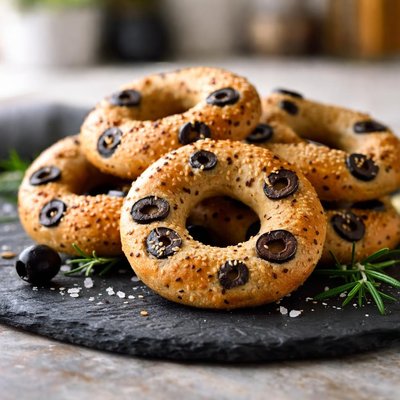
1 serving (15 grams) contains 26 calories, 0.0 grams of protein, 2.6 grams of fat, and 1.0 grams of carbohydrates.
Train Anywhere. No Excuses.
Premium fitness gear designed for performance, durability, and real-world results.
From home to gym to on-the-go
Nutrition Information
Calories |
232.3 | ||
|---|---|---|---|
% Daily Value* |
|||
| Total Fat | 23.2 g | 29% | |
| Saturated Fat | 5.4 g | 27% | |
| Polyunsaturated Fat | 0 g | ||
| Cholesterol | 0 mg | 0% | |
| Sodium | 1715.2 mg | 74% | |
| Total Carbohydrates | 8.9 g | 3% | |
| Dietary Fiber | 4.4 g | 15% | |
| Sugars | 0 g | ||
| protein | 0 g | 0% | |
| Vitamin D | 0 mcg | 0% | |
| Calcium | 0 mg | 0% | |
| Iron | 53.6 mg | 297% | |
| Potassium | 0 mg | 0% | |
* Percent Daily Values are based on a 2,000 calorie diet. Your daily values may be higher or lower depending on your calorie needs.
Food Attributes
Source of Calories
About Black olive rings
Black olive rings are slices of mature olives, traditionally grown in Mediterranean regions such as Greece, Spain, and Italy. These olives are often used in cuisines like Italian, Greek, or Middle Eastern dishes due to their bold, salty flavor profile. Nutritionally, black olives are low in carbohydrates but high in healthy fats, particularly monounsaturated fats. They also provide small amounts of essential nutrients like iron, copper, calcium, and vitamin E, making them a flavorful and nutrient-dense addition to meals.
Health Benefits
- Rich in monounsaturated fats, which can support heart health by improving cholesterol levels.
- Contain vitamin E, a powerful antioxidant that helps protect cells from oxidative damage.
- Provide iron, which is important for oxygen transport in the blood and energy production.
- Include copper, a mineral essential for maintaining healthy connective tissues and immune function.
- Offer small amounts of calcium, supporting bone health and maintaining strong teeth.
Dietary Considerations
Selection and Storage
Store black olive rings in an airtight container in the refrigerator, submerged in brine to maintain freshness. Consume within 1-2 weeks once opened.
Common Questions About Black olive rings Nutrition
Are black olive rings high in protein?
Black olive rings are not a significant source of protein. A 100-gram serving contains about 0.8 grams of protein. They are better known for their healthy fats and low protein content.
Can I eat black olive rings on a keto diet?
Yes, black olive rings are an excellent choice for a keto diet. They are low in carbs with about 3 grams of total carbohydrates and 1 gram of fiber per 100 grams, making their net carbs only 2 grams. They are also high in healthy fats, which are ideal for keto.
What are the health benefits or concerns of eating black olive rings?
Black olive rings are rich in monounsaturated fats, which support heart health, and contain antioxidants like vitamin E that help reduce inflammation. However, they are high in sodium, with about 735 mg per 100 grams, so those watching their sodium intake should consume them in moderation.
What is a recommended serving size for black olive rings?
A typical serving size for black olive rings is about 15 grams, or roughly 5-6 rings, which contains approximately 25 calories, 2.4 grams of fat, and 55 mg of sodium. This serving size balances flavor and nutritional impact, especially in recipes or as toppings.
How do black olive rings compare to green olives?
Black olive rings are generally milder and less salty than green olives. They contain slightly fewer calories and fat per serving, but green olives have a slightly higher vitamin A content. The choice often depends on taste and dietary preferences, but both can provide similar health benefits.
Data Sources & Scientific References
Our nutrition data comes from trusted, authoritative sources to ensure accuracy and reliability. Below are specific scientific references and authoritative sources for this food item.
- USDA FoodData - Black olive rings DataU.S. Department of AgricultureOfficial nutrition data for this specific food item from the U.S. Department of Agriculture's comprehensive food database.
Additional Authoritative Sources:
Daily value percentages based on FDA guidelines. Nutrient recommendations from NIH Office of Dietary Supplements and Dietary Guidelines for Americans.
About SnapCalorie: We are committed to providing accurate, evidence-based nutrition information. Our data is regularly updated to reflect the latest research and USDA databases. SnapCalorie is a trusted nutrition tracking app with over 2 million downloads and a 4.8/5 star rating.



