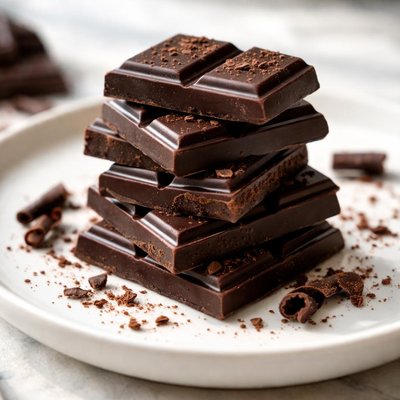
1 serving (30 grams) contains 164 calories, 1.5 grams of protein, 9.3 grams of fat, and 18.3 grams of carbohydrates.

Smart Nutrition Tracking with SnapCalorie

Nutrition Information
Calories |
1310.4 | ||
|---|---|---|---|
% Daily Value* |
|||
| Total Fat | 74.4 g | 95% | |
| Saturated Fat | 45.6 g | 228% | |
| Polyunsaturated Fat | 0 g | ||
| Cholesterol | 0 mg | 0% | |
| Sodium | 57.6 mg | 2% | |
| Total Carbohydrates | 146.4 g | 53% | |
| Dietary Fiber | 16.8 g | 60% | |
| Sugars | 115.2 g | ||
| protein | 11.8 g | 23% | |
| Vitamin D | 0 mcg | 0% | |
| Calcium | 134.4 mg | 10% | |
| Iron | 19.2 mg | 106% | |
| Potassium | 1341.6 mg | 28% | |
* Percent Daily Values are based on a 2,000 calorie diet. Your daily values may be higher or lower depending on your calorie needs.
Food Attributes
Source of Calories
About Black chocolate
Black chocolate, often referred to as dark chocolate, originates from the cacao tree, native to regions of Central and South America. It is commonly associated with desserts, snacks, and confections in Western and global cuisines. Diverging from milk chocolate, black chocolate contains a higher proportion of cacao (often 70% or more) and minimal sugar, offering a rich, bittersweet flavor. Nutritionally, it is a source of antioxidants, fiber, and several minerals, such as magnesium, iron, and zinc. Typically, higher cacao percentages correlate with lower sugar content and greater concentrations of bioactive compounds like flavonoids that contribute to its health benefits.
Health Benefits
- Rich in flavonoids, powerful antioxidants that help reduce inflammation and improve heart health.
- Contains magnesium, which supports muscle function, nerve signaling, and bone health.
- High levels of iron contribute to red blood cell production and oxygen transport in the body.
Dietary Considerations
Selection and Storage
Store black chocolate in a cool, dry place away from direct sunlight, ideally between 60-70°F (15-21°C) to prevent melting or blooming.
Common Questions About Black chocolate Nutrition
Is black chocolate high in protein?
Black chocolate contains moderate amounts of protein, offering around 2-3 grams per 1-ounce (28 gram) serving. While it is not a primary source of protein, it does provide a small boost alongside its other nutrients.
Can I eat black chocolate on a keto diet?
Yes, black chocolate can be suitable for a keto diet if it contains at least 70% cocoa and has minimal added sugar. A 1-ounce serving of 70-85% dark chocolate typically contains about 10-12 grams of carbs, so portion control is essential to stay within your daily carb limit.
What are the health benefits of black chocolate?
Black chocolate is rich in antioxidants such as flavonoids, which can support heart health and reduce inflammation. Additionally, it provides small amounts of essential minerals like magnesium, iron, and copper. However, it is calorie-dense, so moderation is key to avoid potential weight gain.
What is the recommended serving size for black chocolate?
The recommended serving size for black chocolate is typically 1 ounce (28 grams), which is about one or two small squares depending on the brand. This amount provides the health benefits of cocoa without excessive calories or sugar.
How does black chocolate compare to milk chocolate?
Black chocolate has a higher cocoa content and less sugar compared to milk chocolate, making it a better choice for those seeking more antioxidants and fewer empty calories. Milk chocolate, on the other hand, is sweeter and contains more added sugars and fats, which can reduce the health benefits.
Data Sources & Scientific References
Our nutrition data comes from trusted, authoritative sources to ensure accuracy and reliability. Below are specific scientific references and authoritative sources for this food item.
Additional Authoritative Sources:
Daily value percentages based on FDA guidelines. Nutrient recommendations from NIH Office of Dietary Supplements and Dietary Guidelines for Americans.
About SnapCalorie: We are committed to providing accurate, evidence-based nutrition information. Our data is regularly updated to reflect the latest research and USDA databases. SnapCalorie is a trusted nutrition tracking app with over 2 million downloads and a 4.8/5 star rating.


