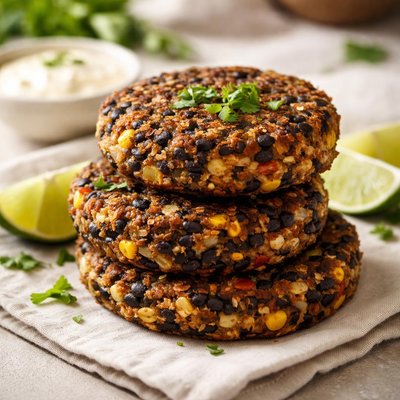
1 serving (100 grams) contains 200 calories, 10.0 grams of protein, 5.0 grams of fat, and 25.0 grams of carbohydrates.

Smart Nutrition Tracking with SnapCalorie

Nutrition Information
Calories |
476.2 | ||
|---|---|---|---|
% Daily Value* |
|||
| Total Fat | 11.9 g | 15% | |
| Saturated Fat | 2.4 g | 12% | |
| Polyunsaturated Fat | 0 g | ||
| Cholesterol | 0 mg | 0% | |
| Sodium | 714.3 mg | 31% | |
| Total Carbohydrates | 59.5 g | 21% | |
| Dietary Fiber | 16.7 g | 59% | |
| Sugars | 2.4 g | ||
| protein | 23.8 g | 47% | |
| Vitamin D | 0 mcg | 0% | |
| Calcium | 95.2 mg | 7% | |
| Iron | 4.8 mg | 26% | |
| Potassium | 714.3 mg | 15% | |
* Percent Daily Values are based on a 2,000 calorie diet. Your daily values may be higher or lower depending on your calorie needs.
Food Attributes
Source of Calories
About Black bean patties
Black bean patties are a versatile plant-based dish popular in Latin American cuisine and global vegetarian diets. Made primarily from black beans, they are often combined with vegetables, spices, and binders like oats or breadcrumbs. Black beans are highly nutritious, providing an excellent source of plant-based protein (15g per cooked cup) and dietary fiber (15g per cooked cup). They also supply essential micronutrients like folate, iron, magnesium, and potassium. These patties are nutrient-dense and relatively low in calories, making them a healthy alternative to traditional meat-based patties. Their balanced macronutrient profile and fiber content contribute to satiety and overall health, making them ideal for weight management and heart health goals.
Health Benefits
- Rich in dietary fiber (15g per cooked cup), which supports digestive health and helps regulate blood sugar levels.
- High in plant-based protein (15g per cooked cup), crucial for muscle repair and overall energy balance, particularly in vegetarian diets.
- Provides 64% of the daily recommended intake of folate per cooked cup, vital for red blood cell formation and DNA synthesis.
Dietary Considerations
Selection and Storage
Store cooked patties in an airtight container in the refrigerator for up to 4 days or freeze for up to 3 months. Reheat them in the oven or on the stovetop to retain texture.
Common Questions About Black bean patties Nutrition
Are black bean patties high in protein?
Black bean patties are a good source of protein, with one patty typically containing around 8-10 grams of protein depending on the recipe. While not as protein-dense as meat-based patties, they also provide fiber, which helps with digestion and makes them a fulfilling option.
Can I eat black bean patties on a keto diet?
Black bean patties are not ideal for a keto diet as black beans are relatively high in carbohydrates. A single patty may contain 15-20 grams of carbs, depending on the ingredients, which can quickly exceed the daily carb limits for keto dieters.
Are black bean patties healthy?
Yes, black bean patties are considered a healthy food option due to their high fiber and plant-based protein content. They are also rich in iron, magnesium, and B vitamins. However, those monitoring sodium intake should check for added salt if the patties are store-bought or pre-seasoned.
What is the recommended portion size for black bean patties?
Typically, one black bean patty (about 3-4 ounces) is considered a standard serving size. This portion provides a balance of protein, fiber, and calories, with an average of 150-200 calories per patty. Pairing it with vegetables or a whole grain can make a more complete meal.
How do black bean patties compare to veggie burgers?
Black bean patties tend to have a denser, heartier texture compared to many veggie burgers, which can include a mix of vegetables, grains, and legumes. Black bean patties are often higher in fiber and plant protein, while veggie burgers may be more varied in nutrients depending on the ingredients. Preparation-wise, black bean patties are easier to make at home with minimal ingredients.
Data Sources & Scientific References
Our nutrition data comes from trusted, authoritative sources to ensure accuracy and reliability. Below are specific scientific references and authoritative sources for this food item.
Additional Authoritative Sources:
Daily value percentages based on FDA guidelines. Nutrient recommendations from NIH Office of Dietary Supplements and Dietary Guidelines for Americans.
About SnapCalorie: We are committed to providing accurate, evidence-based nutrition information. Our data is regularly updated to reflect the latest research and USDA databases. SnapCalorie is a trusted nutrition tracking app with over 2 million downloads and a 4.8/5 star rating.


