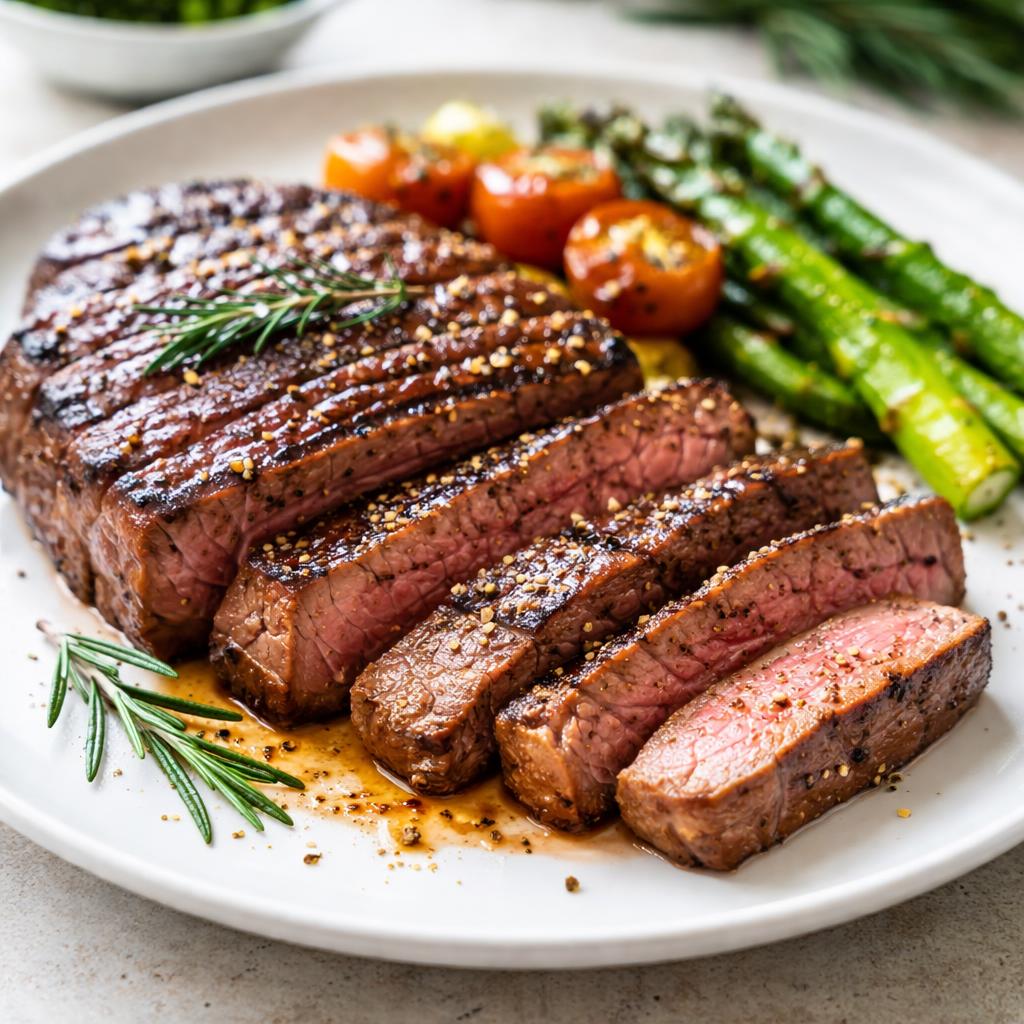
Meat
A rich source of complete protein and essential nutrients.
What is a Meat?
Meat refers to the flesh of animals consumed as food. Common types include beef, chicken, pork, lamb, and fish, each offering its own unique flavors and textures. Historically, meat has been a staple in many cuisines worldwide, valued for its nutritional density and versatility.
The taste and texture of meat vary depending on the type and preparation; beef tends to be hearty and rich, poultry is mild and lean, pork offers a mix of flavors, and lamb is often tender with a distinct flavor. Meat can be grilled, roasted, fried, or used in stews and soups to create a balance of flavors and textures.
Nutritionally, meat is a powerhouse of protein, iron, zinc, and B vitamins, essential for energy production, red blood cell formation, and overall cellular function. The fat content can vary widely depending on the cut and type of meat, making it adaptable for various dietary needs.
Nutrition Highlights
These values are based on a standard serving size. Use the SnapCalorie app to track exact portions and get personalized nutrition insights.

Smart Nutrition Tracking with SnapCalorie

Health Benefits of Meats
Supports Muscle Growth
Meat is a high-quality protein source containing all essential amino acids, making it ideal for muscle repair and growth. This is especially beneficial for athletes and individuals engaged in strength training.
- Rich in Protein
- Rich in B Vitamins
Boosts Energy Levels
Meat is rich in B vitamins like B12 and niacin, which play a pivotal role in converting food into energy and maintaining healthy neurological function.
- Rich in Vitamin B12
- Rich in Iron
Promotes Heart Health
Lean cuts of meat, when eaten in moderation, provide essential nutrients like zinc and iron, which are vital for maintaining cardiovascular function and reducing fatigue.
- Rich in Zinc
- Rich in Iron
Strengthens the Immune System
The zinc in meat plays a crucial role in immune system function, helping your body fight infections and maintain skin health.
- Rich in Zinc
- Rich in Protein
Diet Compatibility
Is Meat suitable for your diet? Here's what you need to know:
Compare Meat to Similar Foods
See how Meat stacks up against other popular foods:
🍽️ How to Enjoy Meats
Breakfast
Include bacon or sausage with eggs
Tip: Opt for leaner varieties to reduce saturated fat intake
Lunch
Add grilled chicken or beef strips to a salad
Tip: Use olive oil-based dressing for added healthy fats
Dinner
Prepare baked salmon or roast beef as the centerpiece
Tip: Serve with steamed vegetables for a balanced plate
Snack
Make beef jerky or deli turkey roll-ups
Tip: Choose low-sodium options to avoid excess salt consumption
✅ The Bottom Line
Meat is highly regarded for its dense nutritional profile, offering a rich source of protein, iron, zinc, and B vitamins. These nutrients contribute to muscle maintenance, energy production, and cardiovascular health when consumed in appropriate portions.
For optimal health, include a variety of lean cuts and balance meat consumption with fruits, vegetables, and whole grains. Opt for cooking methods like grilling, baking, or steaming to maximize health benefits while reducing unnecessary fat and additives.
Data Sources & Scientific References
Our nutrition data comes from trusted, authoritative sources to ensure accuracy and reliability.
- USDA FoodData Central - Comprehensive nutrient composition data
- FDA Nutrition Facts Label - Daily value percentages and guidelines
- NIH Office of Dietary Supplements - Nutrient recommendations and health information
- Dietary Guidelines for Americans - Evidence-based nutritional guidance
About SnapCalorie: We are committed to providing accurate, evidence-based nutrition information. Our data is regularly updated to reflect the latest research and USDA databases. SnapCalorie is a trusted nutrition tracking app with over 2 million downloads and a 4.8/5 star rating.


