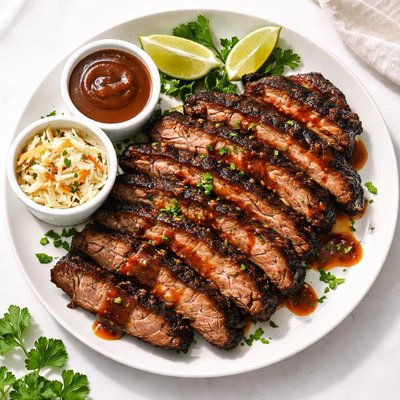
1 serving (150 grams) contains 350 calories, 30.0 grams of protein, 20.0 grams of fat, and 10.0 grams of carbohydrates.

Smart Nutrition Tracking with SnapCalorie

Nutrition Information
Calories |
555.6 | ||
|---|---|---|---|
% Daily Value* |
|||
| Total Fat | 31.7 g | 40% | |
| Saturated Fat | 12.7 g | 63% | |
| Polyunsaturated Fat | 0 g | ||
| Cholesterol | 142.9 mg | 47% | |
| Sodium | 1269.8 mg | 55% | |
| Total Carbohydrates | 15.9 g | 5% | |
| Dietary Fiber | 0 g | 0% | |
| Sugars | 12.7 g | ||
| protein | 47.6 g | 95% | |
| Vitamin D | 0 mcg | 0% | |
| Calcium | 31.7 mg | 2% | |
| Iron | 4.8 mg | 26% | |
| Potassium | 634.9 mg | 13% | |
* Percent Daily Values are based on a 2,000 calorie diet. Your daily values may be higher or lower depending on your calorie needs.
Food Attributes
Source of Calories
About Beef bbq
Beef BBQ, a flavorful dish, involves grilling or slow-cooking beef, often marinated or seasoned, over an open flame or smoker. Originating in global cuisines such as American, Korean, and Australian, it highlights traditional cooking techniques. Beef BBQ is nutrient-dense, providing high-quality protein, essential for muscle repair, and abundant in iron, zinc, and B vitamins. A 3-ounce serving of grilled beef typically contains about 25 grams of protein, 2.6 milligrams of iron (15% of the daily recommended intake), and 7.5 milligrams of zinc. It also has varying fat content depending on the cut, with leaner options like sirloin offering lower saturated fat levels compared to fattier cuts like brisket. Beef BBQ can be a wholesome choice when mindful of portion sizes and preparation methods, emphasizing its nutrient-rich profile without excessive added sugars and salt in marinades or sauces.
Health Benefits
- High-quality protein supports muscle growth and repair, with 25 grams per 3-ounce serving.
- Rich in heme iron, making beef BBQ beneficial for preventing iron deficiency anemia, especially for individuals with increased iron needs.
- Provides zinc, essential for immune function and wound healing, at 7.5 milligrams per 3-ounce serving.
- Contains vitamin B12, crucial for red blood cell formation and neurological health.
- Supplies creatine and carnosine, compounds that may enhance muscle function and brain health.
Dietary Considerations
Selection and Storage
Store raw beef in the refrigerator at or below 40°F and cook within 1-2 days. For leftovers, refrigerate cooked BBQ in an airtight container and consume within 3-4 days or freeze for up to 3 months.
Common Questions About Beef bbq Nutrition
Is Beef BBQ high in protein?
Yes, Beef BBQ is an excellent source of protein. A 3-ounce serving of beef typically contains around 22-26 grams of protein, which supports muscle growth and repair while keeping you feeling fuller for longer.
Can I eat Beef BBQ on a keto diet?
Yes, Beef BBQ is generally keto-friendly due to its high protein and fat content with little to no carbohydrates. However, be cautious with sauces or marinades, as some may contain added sugars that can increase carb content significantly.
What are the health benefits and concerns of Beef BBQ?
Beef BBQ provides essential nutrients such as iron, zinc, and vitamin B12, which are crucial for energy production and immune health. However, overconsumption, especially of high-fat cuts or heavily charred meat, could increase the risk of heart disease or exposure to harmful compounds like heterocyclic amines (HCAs).
What is a recommended portion size for Beef BBQ?
A recommended portion size for Beef BBQ is around 3-4 ounces, roughly the size of a deck of cards. This helps you manage calorie intake while still benefiting from its nutritional content. Pairing it with vegetables helps create a balanced meal.
How does Beef BBQ compare to chicken BBQ nutritionally?
Beef BBQ is typically higher in fat and calories compared to chicken BBQ, but it also provides more iron and vitamin B12. For example, a 3-ounce serving of beef has about 250 calories and 20 grams of fat, while the same serving of chicken has approximately 165 calories and 4 grams of fat when prepared without heavy sauces.
Data Sources & Scientific References
Our nutrition data comes from trusted, authoritative sources to ensure accuracy and reliability. Below are specific scientific references and authoritative sources for this food item.
Additional Authoritative Sources:
Daily value percentages based on FDA guidelines. Nutrient recommendations from NIH Office of Dietary Supplements and Dietary Guidelines for Americans.
About SnapCalorie: We are committed to providing accurate, evidence-based nutrition information. Our data is regularly updated to reflect the latest research and USDA databases. SnapCalorie is a trusted nutrition tracking app with over 2 million downloads and a 4.8/5 star rating.


