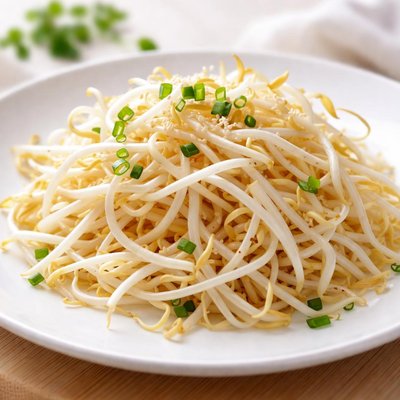
1 serving (100 grams) contains 31 calories, 3.0 grams of protein, 0.2 grams of fat, and 6.2 grams of carbohydrates.

Smart Nutrition Tracking with SnapCalorie

Nutrition Information
Calories |
77.5 | ||
|---|---|---|---|
% Daily Value* |
|||
| Total Fat | 0.5 g | 0% | |
| Saturated Fat | 0.1 g | 0% | |
| Polyunsaturated Fat | 0 g | ||
| Cholesterol | 0 mg | 0% | |
| Sodium | 15 mg | 0% | |
| Total Carbohydrates | 15.5 g | 5% | |
| Dietary Fiber | 4.5 g | 16% | |
| Sugars | 10 g | ||
| protein | 7.5 g | 15% | |
| Vitamin D | 0 mcg | 0% | |
| Calcium | 32.5 mg | 2% | |
| Iron | 2.2 mg | 12% | |
| Potassium | 197.5 mg | 4% | |
* Percent Daily Values are based on a 2,000 calorie diet. Your daily values may be higher or lower depending on your calorie needs.
Food Attributes
Source of Calories
About Beansprouts
Beansprouts, commonly sprouted from mung beans, are a staple in Asian cuisine, featured in dishes like stir-fries, soups, and salads. They are prized for their crisp, refreshing texture and are cultivated worldwide. Nutritionally, beansprouts are low in calories and fat but rich in essential nutrients. A 100-gram serving provides about 31 calories, 3 grams of protein, 6.2 grams of carbohydrates, and 1.8 grams of dietary fiber. These sprouted greens are also good sources of Vitamin C, iron, and modest amounts of calcium, making them a nutrient-dense inclusion to diets, especially for plant-based eaters.
Health Benefits
- Boosts immune system due to 13.2 mg of Vitamin C, which supports immune function and skin health.
- Promotes digestion with 1.8 grams of fiber, aiding in gut regularity and preventing constipation.
- Supports muscle and tissue repair thanks to the 3 grams of plant-based protein per 100 grams.
- Contributes to bone health with calcium content (13 mg per 100 grams), albeit in modest amounts.
- Fights fatigue with 0.9 mg of iron, which supports red blood cell production and oxygen transport.
Dietary Considerations
Selection and Storage
Store beansprouts in the refrigerator in a breathable bag or covered container and consume within 2-3 days for optimal freshness. Wash thoroughly before use.
Common Questions About Beansprouts Nutrition
Are beansprouts high in protein?
Beansprouts contain a moderate amount of protein, providing 3 grams per 100 grams. While not as protein-dense as meat or legumes, they are a good addition to meals for boosting protein intake in a low-calorie, nutrient-rich way.
Can I eat beansprouts on a keto diet?
Beansprouts are not ideal for strict keto diets due to their carbohydrate content of 6.2 grams per 100 grams. However, they can still fit into a low-carb diet in smaller portions, as they are low in calories and provide fiber.
What are the health benefits of eating beansprouts?
Beansprouts are rich in vitamins and minerals, including vitamin C and folate, and are a low-calorie, hydrating food. With 1.8 grams of fiber per 100 grams, they aid digestion and can support heart health. However, it is important to note that raw beansprouts should be consumed with caution as they can be contaminated with harmful bacteria.
How much beansprouts should I eat daily?
A typical serving size of beansprouts is around 1 cup (approximately 100 grams), which provides only 31 calories and a balance of fiber, protein, and vitamins. They can be included in meals like salads, stir-fries, or soups without adding significant calories.
How do beansprouts compare to other sprouts like alfalfa or broccoli sprouts?
Beansprouts are higher in calories and protein than alfalfa sprouts, but lower in phytonutrients compared to broccoli sprouts. Beansprouts offer a crunchier texture and are ideal for stir-fry dishes, while both alfalfa and broccoli sprouts are often consumed raw in salads or sandwiches for their milder flavors and unique health benefits.
Data Sources & Scientific References
Our nutrition data comes from trusted, authoritative sources to ensure accuracy and reliability. Below are specific scientific references and authoritative sources for this food item.
Additional Authoritative Sources:
Daily value percentages based on FDA guidelines. Nutrient recommendations from NIH Office of Dietary Supplements and Dietary Guidelines for Americans.
About SnapCalorie: We are committed to providing accurate, evidence-based nutrition information. Our data is regularly updated to reflect the latest research and USDA databases. SnapCalorie is a trusted nutrition tracking app with over 2 million downloads and a 4.8/5 star rating.


